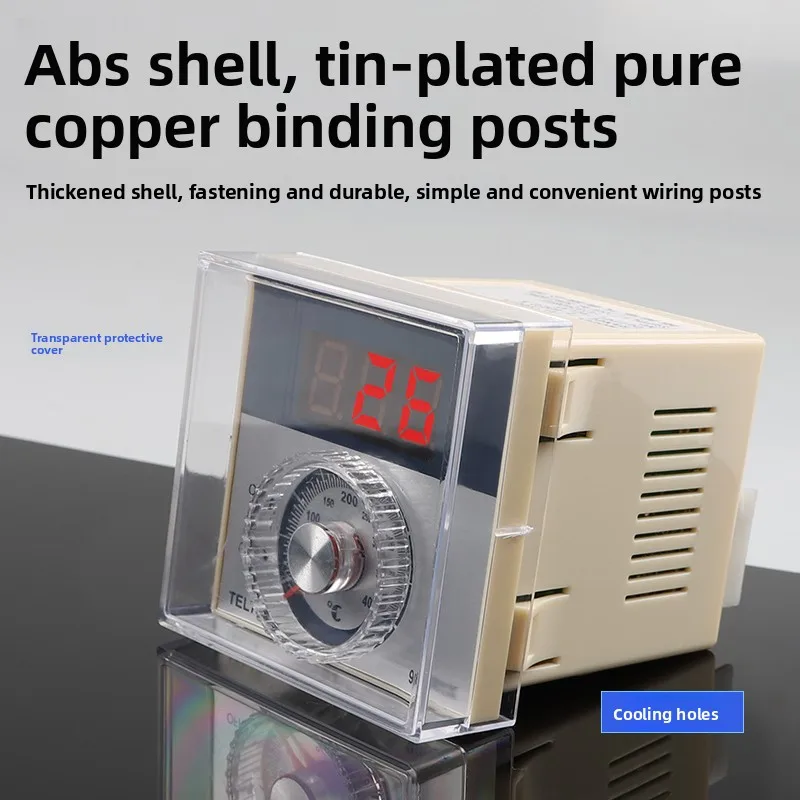
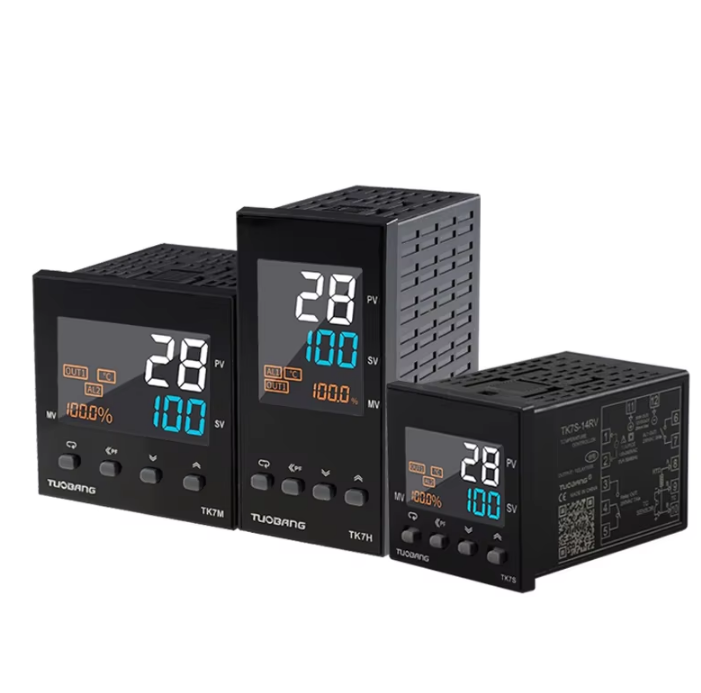
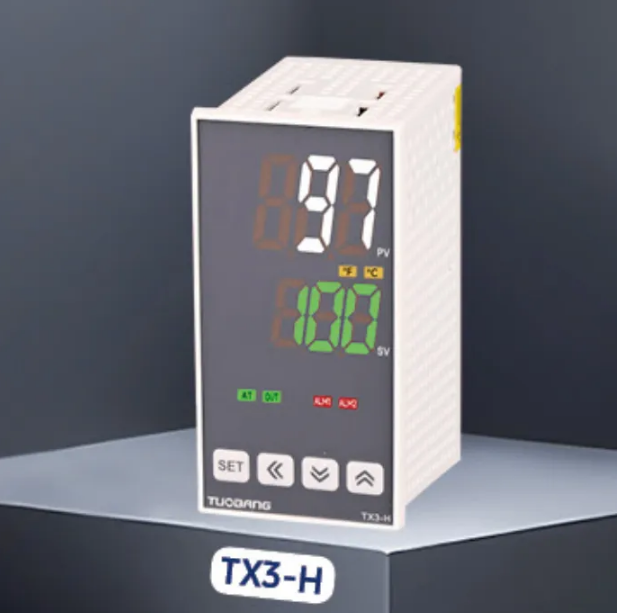
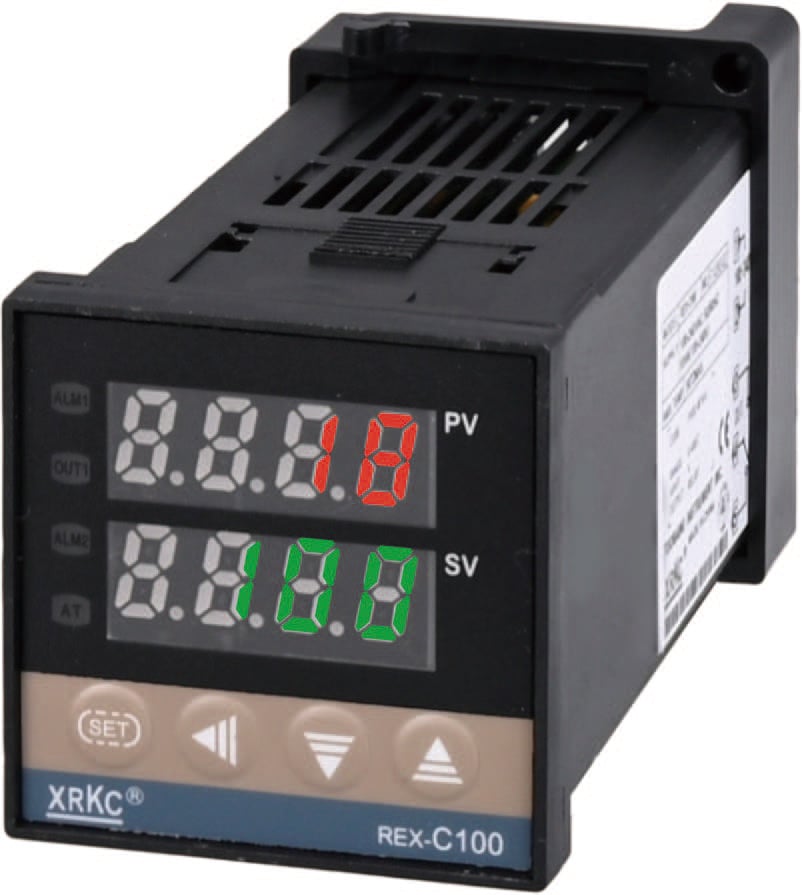
Automatic Temperature Controller for Incubator | ±0.1°C PID Precision

All Categories
Why Choose Suosite’s Automatic Temperature Controllers for Your Incubator?

Why Choose Suosite’s Automatic Temperature Controllers for Your Incubator?

In the world of incubation, whether for poultry, reptile eggs, or laboratory cultures, maintaining a consistent and precise temperature is non-negotiable. An automatic temperature controller for incubator applications ensures that optimal conditions are maintained automatically, reducing the risk of human error and enhancing hatch rates. At Zhejiang Suosite Electrical Technology Co., Ltd., we specialize in advanced temperature control solutions that combine cutting-edge technology with rugged industrial design. Our automatic temperature controllers are built to meet the rigorous demands of professional hatcheries, research facilities, and agricultural operations worldwide. With features such as PID control, multiple sensor inputs, and adjustable alarms, these devices provide the accuracy and flexibility needed to create the perfect incubation environment.
Get A Quote

Case Study

Unmatched Precision and Stability

Our automatic temperature controllers for incubators utilize advanced PID algorithms to maintain temperature within ±0.1°C of the setpoint. This precision is crucial for maximizing hatch rates and ensuring healthy development of embryos. The controllers continuously adjust heating elements based on real-time sensor feedback, minimizing temperature fluctuations that can lead to developmental issues. With features like auto-tuning, the controller learns the thermal characteristics of your incubator and optimizes its response, providing a stable environment even in varying ambient conditions. This level of control not only enhances biological outcomes but also reduces energy consumption, making your operations more sustainable and cost-effective.

Versatile Sensor Compatibility and Input Options

Suosite’s controllers support a wide range of temperature sensors, including thermocouples (K, E, J, T) and RTDs (PT100, PT1000), allowing you to choose the most suitable sensor for your application. This flexibility ensures accurate readings across different temperature ranges and environmental conditions. Moreover, our controllers offer multiple input options, allowing you to connect additional sensors such as humidity or pressure probes for comprehensive monitoring. This versatility means you can use the same controller for various types of incubators, from small benchtop models to large industrial units, without needing to change hardware. It simplifies inventory management and reduces costs, making our controllers a smart investment for facilities with diverse incubation needs.

Robust Build Quality and Safety Features

Designed for continuous operation, our automatic temperature controllers feature durable housings and high-quality components that withstand the demanding conditions of incubation environments, including high humidity and temperature extremes. The controllers are equipped with multiple safety features such as over-temperature alarms, sensor failure detection, and heater short-circuit protection, ensuring that your incubator operates safely at all times. In the event of a sensor malfunction, the controller triggers an alarm and enters a safe mode, preventing damage to your eggs or samples. This reliability minimizes downtime and provides peace of mind, knowing that your critical incubation processes are protected. Our commitment to quality is reflected in our CE certification and rigorous testing procedures, guaranteeing that every controller meets the highest industry standards.

Related products

An automatic temperature controller for incubator is an essential instrument for anyone involved in hatching eggs or cultivating temperature-sensitive cultures. The success of an incubation process hinges on maintaining a constant, optimal temperature, often around 37°C for poultry, but varying for other species. Manual temperature management is not only labor-intensive but also prone to error, leading to reduced hatch rates and potential loss of valuable samples. Our controllers automate this process with high precision, using advanced algorithms to adjust heating output in real-time. They are equipped with programmable profiles that allow you to set temperature ramps and hold times, crucial for processes like hatching reptile eggs which may require gradual temperature shifts. Moreover, data logging features enable you to track temperature trends and make informed adjustments. When selecting an automatic temperature controller, consider factors such as the type and size of your incubator, the required temperature range, the accuracy needed, and the ambient conditions. Our controllers offer an excellent balance of performance and value, backed by professional support. By integrating one of our controllers into your setup, you can focus on other aspects of your operation while ensuring that temperature, the most critical parameter, is always under control.

Frequently Asked Questions

How do I choose the right temperature sensor for my incubator controller?

Choosing the right sensor depends on the temperature range and accuracy required for your specific incubation process. For most poultry and general biological applications, PT100 RTD sensors offer high accuracy and stability across a wide range (-200°C to 850°C). Thermocouples like K-type are also common, especially for higher temperature applications, but they may have slightly lower accuracy. If your incubator operates in a relatively narrow range (e.g., 20-50°C), a PT100 or even a thermistor (if supported) would be suitable. Consider the sensor’s response time and physical size as well. Our controllers are compatible with both PT100 and various thermocouples, giving you flexibility to choose the best option for your needs.
PID (Proportional-Integral-Derivative) control is an advanced feedback control mechanism that calculates the error between desired setpoint and actual temperature and adjusts the heater output to minimize that error. Unlike simple on/off thermostats, which often cause temperature overshoot and oscillation, PID control provides smooth and precise temperature regulation. It is important because it ensures that the temperature remains stable, which is crucial for embryo development. The ‘P’ component handles the proportional response to the current error, the ‘I’ component corrects for residual steady-state errors, and the ‘D’ component anticipates future trends based on the rate of change. Together, they maintain the temperature within a very narrow band, ensuring optimal hatch rates. Our controllers feature auto-tuning which automatically sets the PID parameters for your specific incubator, eliminating guesswork.
Yes, many of our controllers support dual-sensor input (e.g., control sensor and alarm sensor). The control sensor is used for temperature regulation, while the alarm sensor can provide an independent temperature reading for safety purposes. If the two sensors differ by a specified amount, the controller triggers an alarm, indicating a potential malfunction. This redundancy enhances reliability. Additionally, some models have options for connecting humidity sensors, although this is not standard. If you require multi-zone temperature monitoring, you may need to use multiple controller units or controllers with communication capability to interface with a central system. For most incubators, dual-sensor input is sufficient to ensure accurate and safe operation.
Our controllers are equipped with several safety features to protect your incubation process. These include: over-temperature protection, where the controller cuts off power to the heater if the temperature exceeds the setpoint by a user-defined margin; under-temperature alarm, which alerts you if the temperature drops below the minimum safe limit; sensor break detection, which identifies if the sensor is disconnected or short-circuited and activates an alarm; and heater short-circuit protection. Moreover, the controller can be programmed to automatically switch to a safe mode (e.g., turning off the heater) when a fault is detected. These features ensure that your eggs or samples are never exposed to harmful temperature fluctuations due to equipment failure.
Yes, several of our advanced models offer programmable temperature profiles that allow you to set multiple setpoints with time intervals. This is particularly useful for species that require specific temperature profiles, such as gradual steps up or down in temperature. For example, during the last days of incubation, some protocols recommend a slight decrease in temperature. With programming capability, you can automate this cycle without manual intervention. The controllers support up to 9 segments or more, and can loop the program indefinitely. Additionally, some models have a built-in timer to start the incubation at a certain time. This flexibility ensures that you can replicate specific protocols precisely, improving consistency and outcomes.

Related article

What industries benefit most from using a PID temperature controller?

27

Jul

What industries benefit most from using a PID temperature controller?

More Than a Component—A Critical Enabler Walk through almost any modern production facility, and the chances of spotting a PID temperature controller on a panel are remarkably high. These devices have become so embedded in industrial infrastruc...
View More
How to calibrate a temperature controller to ensure accurate readings?

03

Aug

How to calibrate a temperature controller to ensure accurate readings?

The Hidden Cost of an Uncalibrated Controller Temperature controllers are the silent workhorses of industrial production. When they drift, the consequences are rarely immediate—which makes them dangerous. A controller reading 2°C low in a h...
View More
Why does a temperature controller need an auto-tuning feature?

12

Aug

Why does a temperature controller need an auto-tuning feature?

The Hidden Cost of Manual PID Tuning Manual tuning of a PID temperature controller is one of those tasks that looks straightforward on paper but turns into a time sink on the shop floor. The traditional approach involves setting proportional, integra...
View More
How to choose the right temperature controller for your industrial process?

25

Aug

How to choose the right temperature controller for your industrial process?

The Selection Trap That Catches Most Buyers Choosing a temperature controller looks simple at first glance. The specifications seem straightforward: input type, output type, accuracy rating, price. Many buyers treat it like a commodity purchase&mdash...
View More

What Our Clients Say

Emily Thompson

Our poultry hatchery has been using Suosite’s automatic temperature controllers for over two years, and the results have been outstanding. The PID control maintains the temperature within ±0.1°C, and we’ve seen a significant increase in our hatch rates. The build quality is solid, and the interface is user-friendly. The safety features give us peace of mind, especially during weekends when staff is limited. I recommend these controllers to any commercial hatchery looking for dependable equipment.

Marco Rossi

As a researcher working with reptile eggs, I needed a controller that could handle custom temperature ramps. The programmable profiles in Suosite’s controller were a game-changer. The RS485 communication allowed me to integrate it with our existing monitoring system seamlessly. The customer support was excellent, helping me configure the device in minutes. This controller has made my experiments more reproducible and stress-free.

Get a Free Quote

Our representative will contact you soon.
Email
Name
Company Name
Message
0/1000
Advanced PID Algorithm with Auto-Tuning

Advanced PID Algorithm with Auto-Tuning

The heart of our automatic temperature controller is its sophisticated PID algorithm, which ensures that the incubator reaches the setpoint quickly without overshooting and maintains it with minimal fluctuation. Auto-tuning simplifies setup by automatically calculating optimal PID parameters based on the incubator’s thermal dynamics. This not only improves temperature stability but also reduces energy consumption by preventing excessive heater cycling. For incubation, where temperature consistency is paramount, this feature directly translates to better hatch rates and healthier offspring. It also reduces wear and tear on heating elements, extending the lifespan of your equipment.
Programmable Temperature Profiles

Programmable Temperature Profiles

Flexibility is key when dealing with different species or protocols. Our controllers allow you to program up to 9 segments of temperature and time cycles, enabling you to simulate natural temperature variations or follow specific incubation guidelines. You can set a starting temperature, then ramp up or down at predefined rates, and hold for durations. This is particularly beneficial for species like crocodiles, where temperature determines sex, or for processes requiring periodic cooling. The controller can run these profiles in a loop, ensuring continuous operations until you change the program. This feature empowers you to achieve precise control over your incubation process, leading to more predictable and successful outcomes.
Remote Monitoring and Control via RS485

Remote Monitoring and Control via RS485

In today’s connected world, the ability to monitor and control your incubator remotely is invaluable. Our controllers with RS485 communication interface allow you to connect to a computer, PLC, or a central monitoring system. This enables real-time temperature logging, alert notifications, and parameter adjustments from a remote location. For hatcheries with multiple units, this centralization simplifies management and ensures you can respond to any anomalies immediately. It also facilitates data collection for quality control and compliance purposes. The RS485 port supports Modbus RTU protocol, the industry standard, making integration with existing automation systems straightforward. This feature is especially advantageous for large-scale operations where efficiency and real-time data are crucial.
Newsletter
Please Leave A Message With Us