Introduction
In industrial automation, the temperature controller is not just a component — it is the brain behind precision heating, cooling, and process stability. Whether you are sourcing PID temperature controllers for packaging machinery, plastic extrusion, or food processing lines, choosing the right manufacturer can make the difference between a production line that runs 24/7 and one that suffers costly downtime.
As a B2B buyer — whether you are a procurement manager, an OEM integrator, or a distributor — you need a supplier that delivers consistent quality, technical expertise, and reliable after-sales support. But with hundreds of temperature controller manufacturers in China, how do you separate genuine factories from trading companies? This guide provides a structured framework for evaluating and selecting the right temperature controller manufacturer for your business.
1. Start With Certifications and Compliance
The first filter in any supplier evaluation is certifications. For temperature controllers sold into global markets, look for:
・CE Certification — mandatory for the European market; demonstrates conformity with EU safety, health, and environmental standards.
・RoHS Compliance — ensures the product is free of hazardous substances, a growing requirement worldwide.
・ISO 9001 — signals that the manufacturer operates a quality management system with documented processes.
・National High-Tech Enterprise Certification — in China, this designation indicates strong R&D capability and government-recognized innovation.
Tip: Ask the supplier to provide scanned copies of certificates with valid dates. A legitimate manufacturer will have no hesitation sharing these documents.
2. Verify Manufacturing Capability: Factory vs. Trading Company
One of the most common pitfalls in B2B sourcing from China is dealing with a trading company that masquerades as a manufacturer. Here is how to verify:
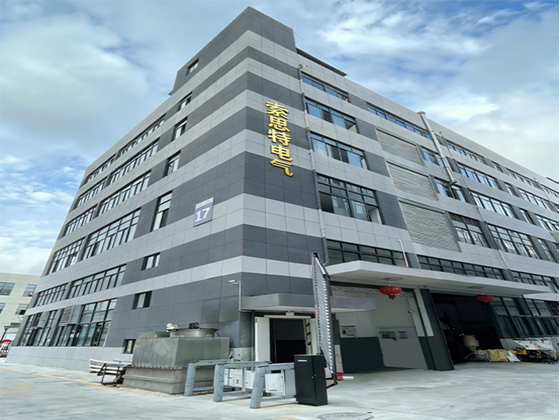
・Factory Visit (On-Site or Virtual): Request a video tour of the production floor. A genuine factory will have SMT pick-and-place lines, wave soldering stations, aging test rooms, and calibration equipment.
・Production Equipment Inventory: Ask for a list of equipment. A serious temperature controller manufacturer should have at least 20-30 production devices and a dedicated testing lab with 10+ inspection instruments.
・R&D Team: Inquire about the size of the engineering team. Manufacturers that invest in R&D can support OEM/ODM customization — critical if you need branded or application-specific controllers.
・Years in Business: Longevity matters. A factory with 10+ years of experience has weathered market cycles and built stable supply chains.
3. Evaluate Product Range and Technical Depth
A strong temperature controller manufacturer should offer more than one or two models. Look for a comprehensive product line:
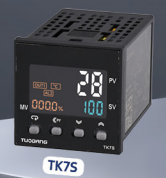
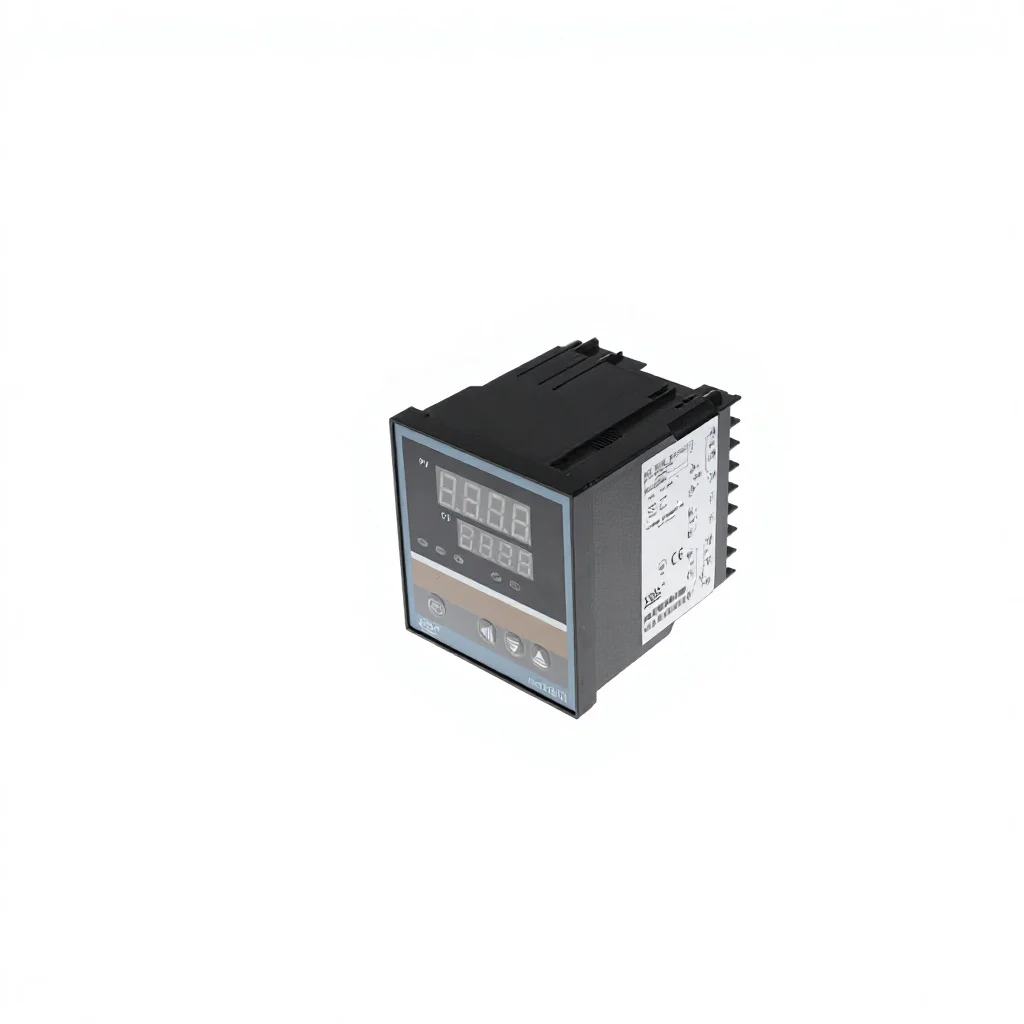
・PID Intelligent Temperature Controllers (REX-C100, C400, C700, C900 series)
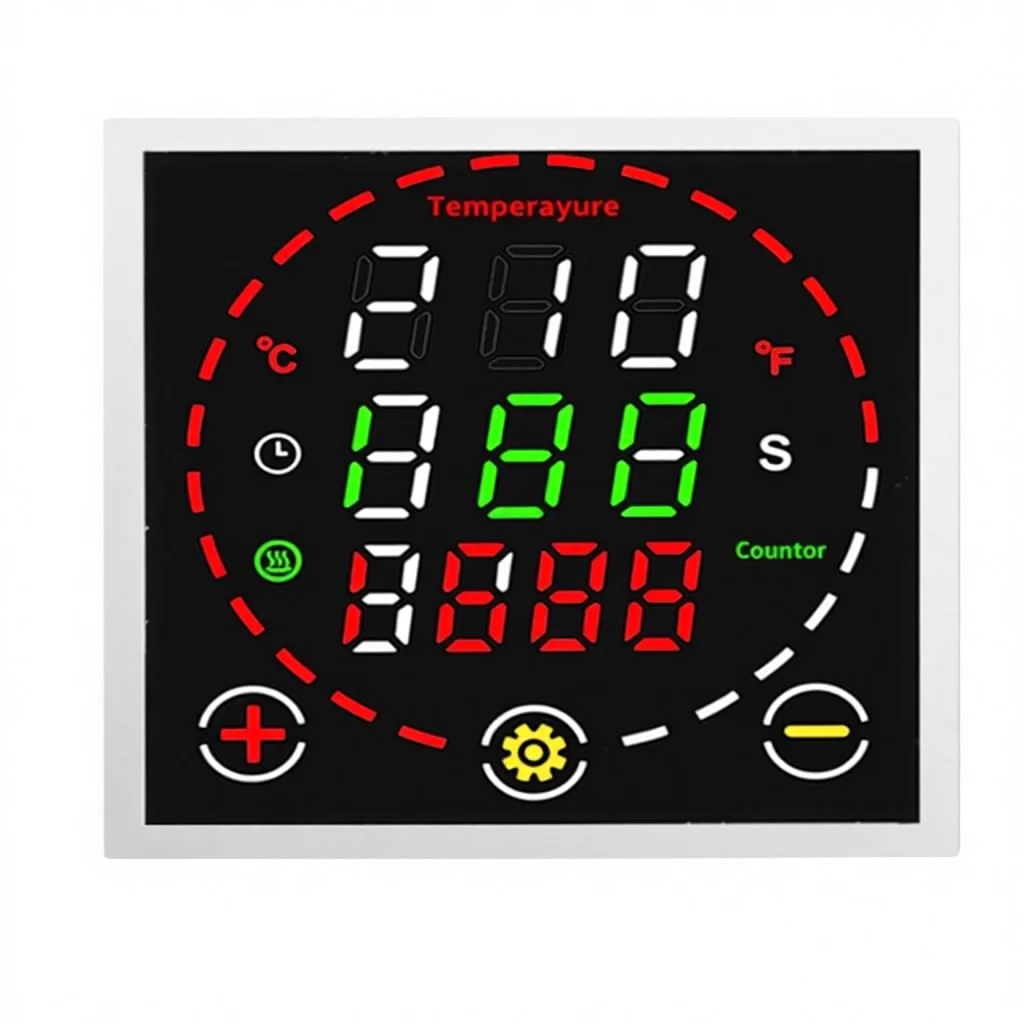
・Multi-function controllers with timing and counting integration
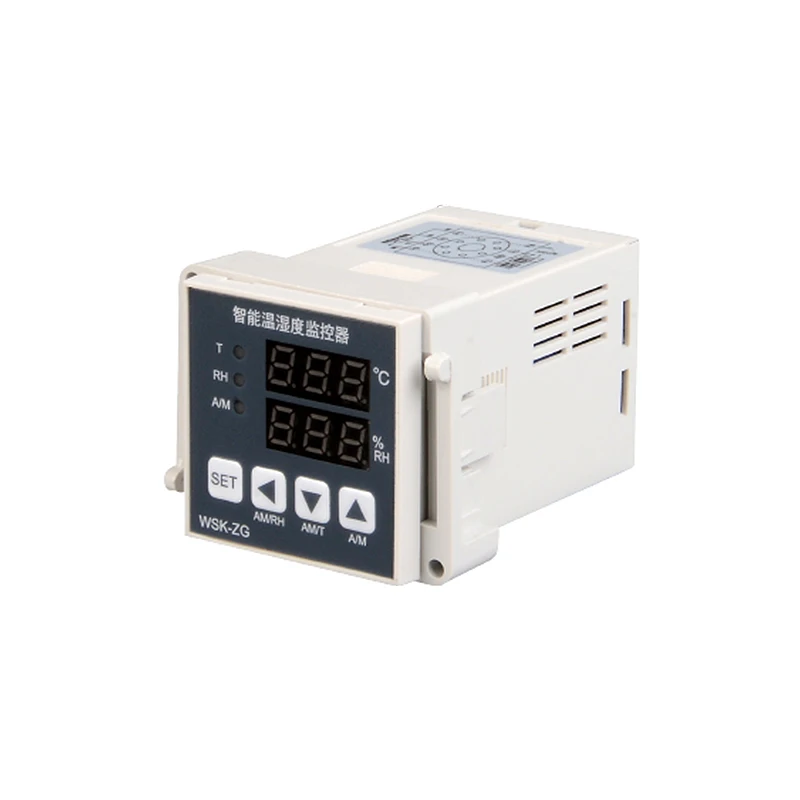
・Temperature and humidity controllers for environmental chambers
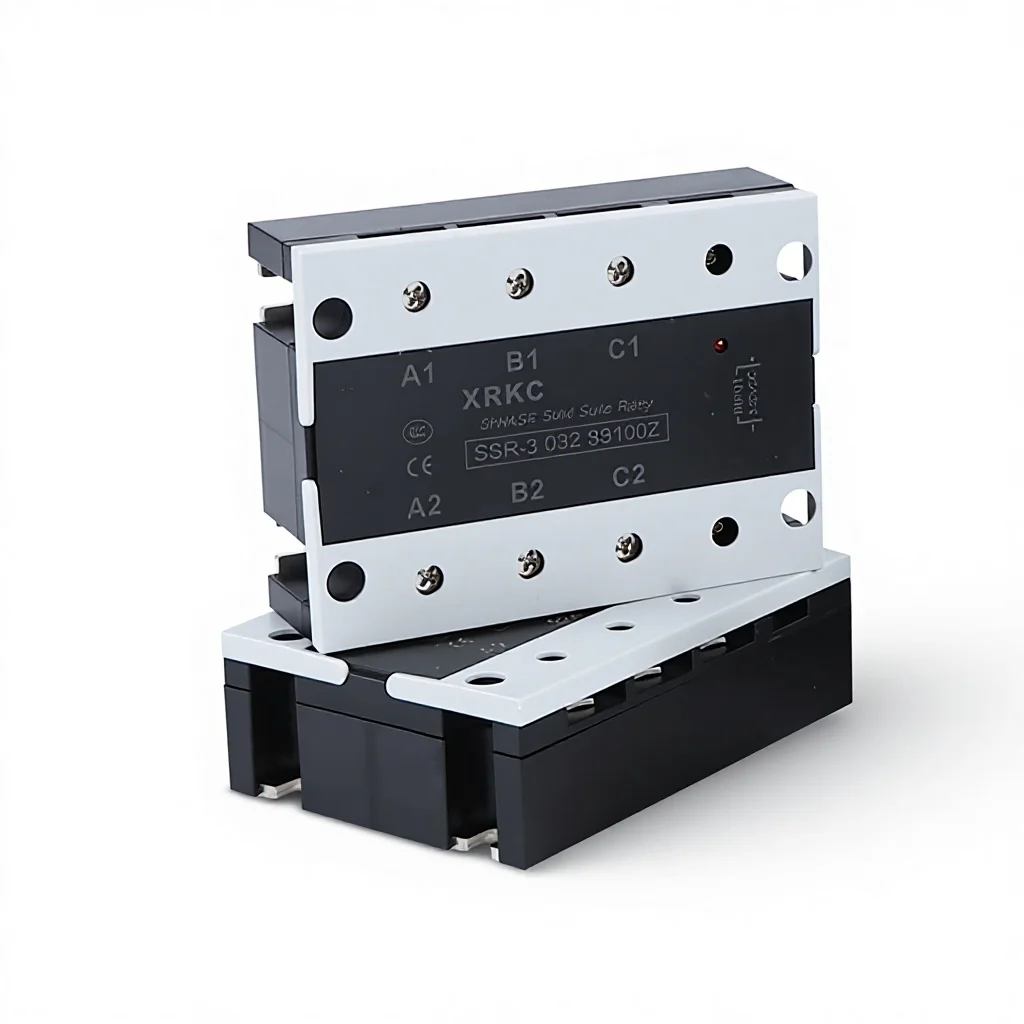
・Solid State Relays (SSR) — a complementary product line that signals deeper expertise in thermal control systems
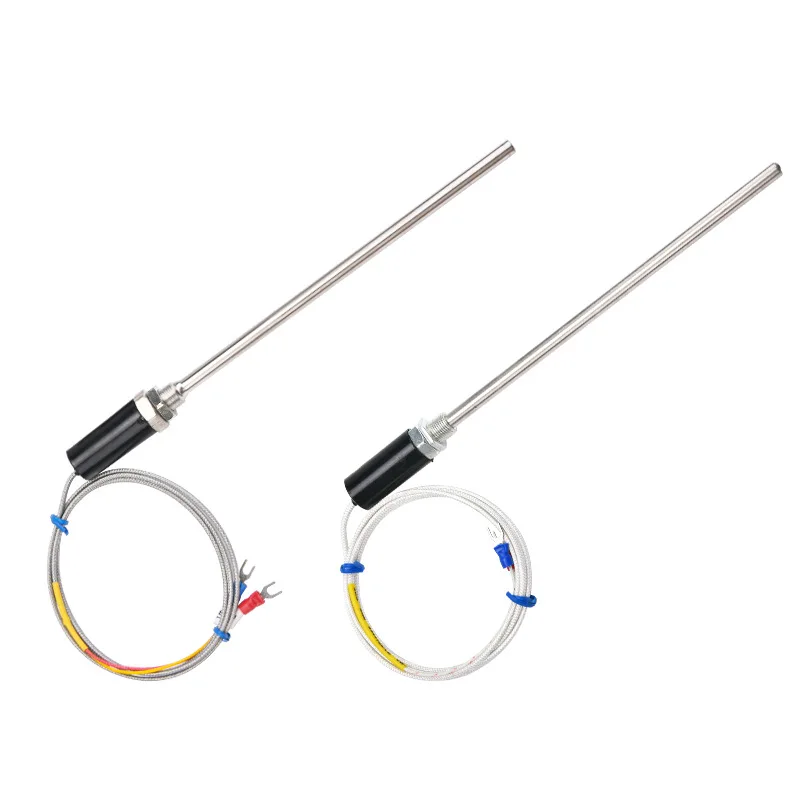
・Temperature sensors (thermocouples: K-type, E-type; RTD: PT100)
・Support for multiple output types: relay, SSR drive, 4-20mA analog
The breadth of the product line matters because it tells you the manufacturer has invested in R&D across the entire thermal control ecosystem — not just assembling a single model.
4. Assess OEM/ODM Customization Capabilities
If you are a brand owner or system integrator, OEM and ODM support is non-negotiable. Key questions to ask:
・Can they customize the front panel with your logo and brand colors?
・Can they modify firmware parameters (PID algorithms, input ranges, communication protocols) to match your application?
・What is the minimum order quantity (MOQ) for OEM orders?
・What is the typical lead time for a custom batch?
・Do they provide pre-production samples for approval?
A manufacturer with mature OEM capabilities will have a structured process: requirement confirmation → sample production → customer approval → mass production → quality inspection → shipment.
5. Quality Control: What Happens Before Your Order Ships
Quality control is where many low-cost suppliers cut corners. A reliable temperature controller manufacturer should have a documented QC protocol, including:
・Incoming Material Inspection (IQC): Verifying components (microcontrollers, relays, displays, thermocouple connectors) before assembly.
・In-Process Quality Control (IPQC): Checking solder joints, display calibration, and keypad functionality during production.
・Aging/Burn-In Testing: Every unit should undergo powered operation for 24-72 hours to catch early-life failures.
・Final Quality Control (FQC): Full functional test including PID auto-tuning, alarm outputs, and communication interface verification.
・Pre-Shipment Inspection (PSI): Random sampling inspection before packaging.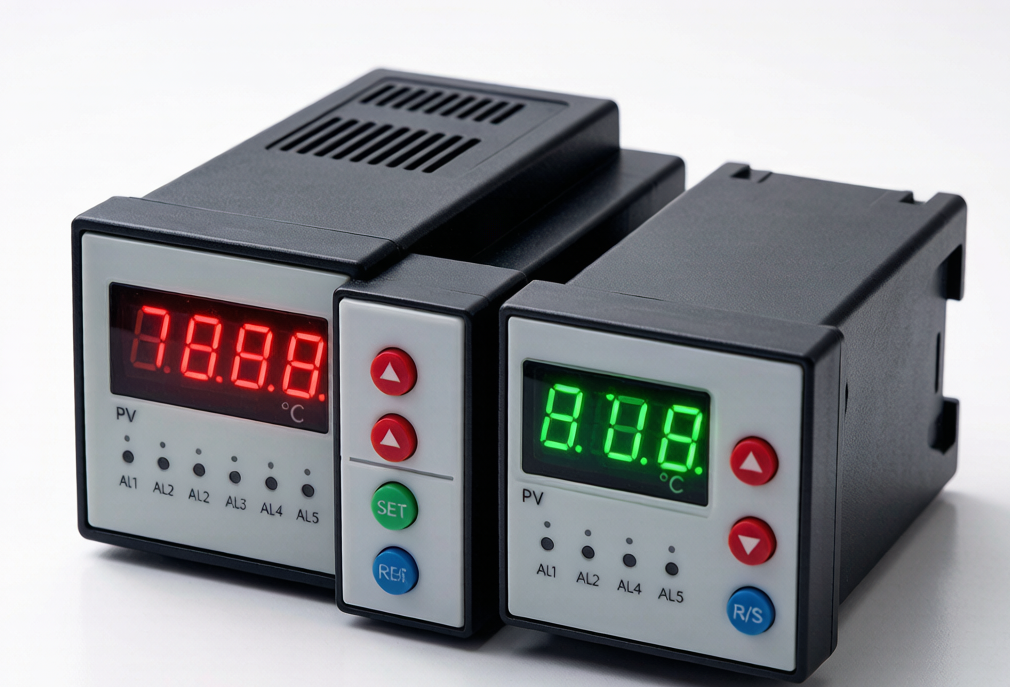
6. Supply Chain Reliability and Lead Times
In B2B, delivery reliability is as important as product quality. Evaluate:
・Inventory Levels: Does the supplier maintain stock of popular models? A supplier with ready inventory can ship within 48 hours, dramatically reducing your procurement cycle.
・Lead Time for Bulk Orders: Typical lead times for standard models are 7-15 days; custom orders may take 15-30 days.
・Logistics Partners: Check whether they work with reliable freight forwarders (DHL, FedEx, UPS for samples; sea freight for bulk).
・Multi-Language Support: A supplier that offers service in English, Spanish, French, Russian, etc., signals experience in international trade.
7. After-Sales Support and Warranty
A manufacturer's commitment does not end at shipment. Before placing an order, clarify:
・Warranty Period: Standard is 12-24 months. Some high-end manufacturers offer extended warranties.
・Technical Support: Is there an engineering team available for installation guidance, wiring diagrams, and troubleshooting?
・Replacement Policy: For DOA (dead-on-arrival) units, what is the replacement process and timeline?
・Spare Parts Availability: Can they supply replacement displays, relays, or sensors if needed?
8. Price vs. Total Cost of Ownership
It is tempting to choose the lowest-priced supplier. However, B2B buyers should think in terms of Total Cost of Ownership (TCO):
・Cheap controllers with high failure rates → production downtime → lost revenue
・Inconsistent calibration → product quality issues → customer returns
・No after-sales support → your engineering team spends hours troubleshooting
The most "expensive" controller is the one that fails on your customer's production line. Invest in quality from a manufacturer that stands behind its products.
Conclusion: Your Sourcing Checklist
Before you commit to a temperature controller manufacturer, run through this checklist:
・ Valid CE, RoHS, ISO certifications on file
・ Verified factory (on-site or virtual tour completed)
・ Comprehensive product line with OEM/ODM capability
・ Documented QC process with aging/burn-in testing
・ Adequate inventory and clear lead times
・ Warranty terms and technical support confirmed
・ Positive trade references or repeat customers
By following this framework, you minimize sourcing risk and build a supply chain that delivers consistent quality — whether you need 100 units for a single project or 10,000 units annually for ongoing distribution.
 Hot News
2026-06-13
2026-06-12
2026-05-18
Copyright © 2026 by Zhejiang Suosite Electrical Technology Co., Ltd. - Privacy policy
 EN
EN