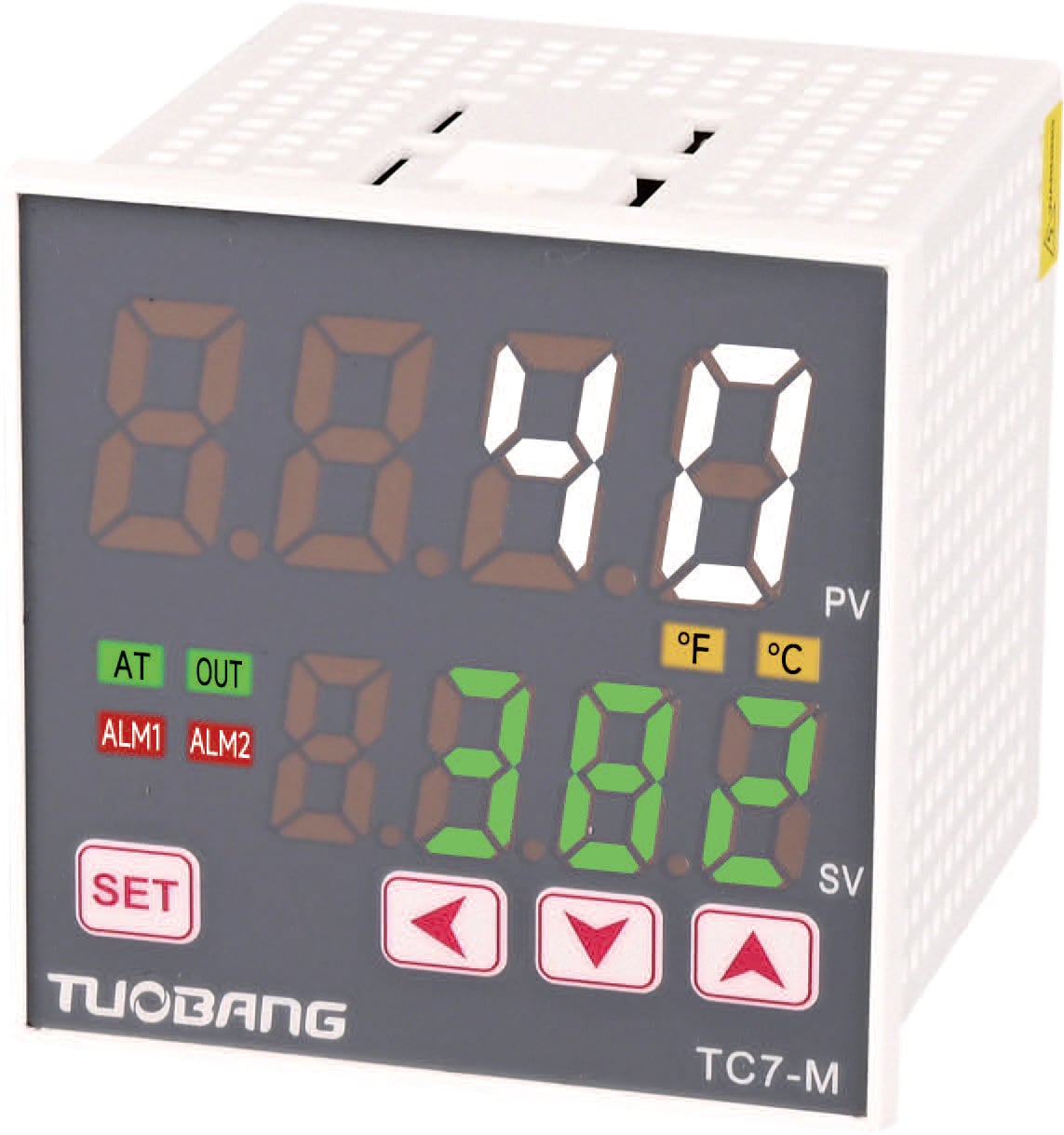
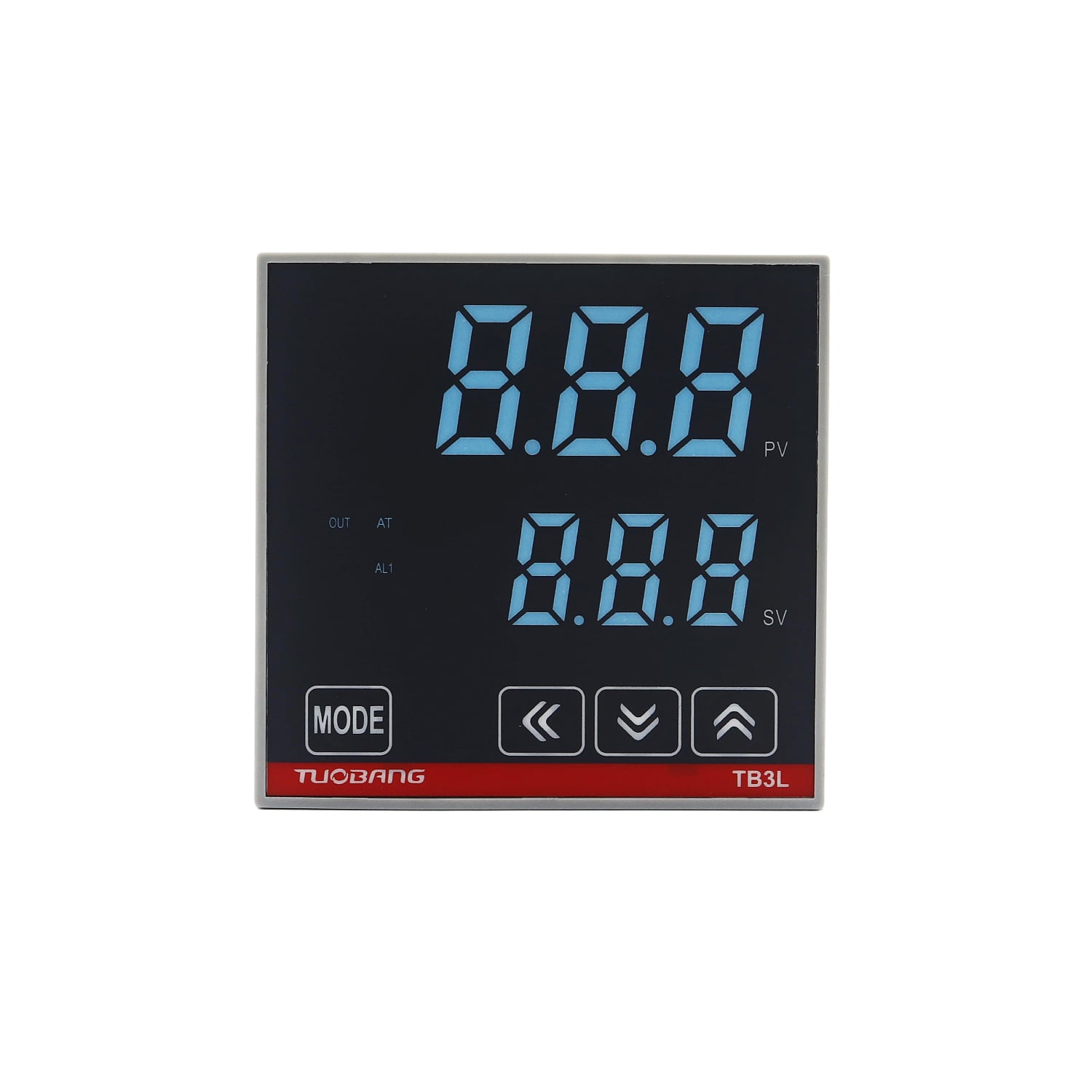
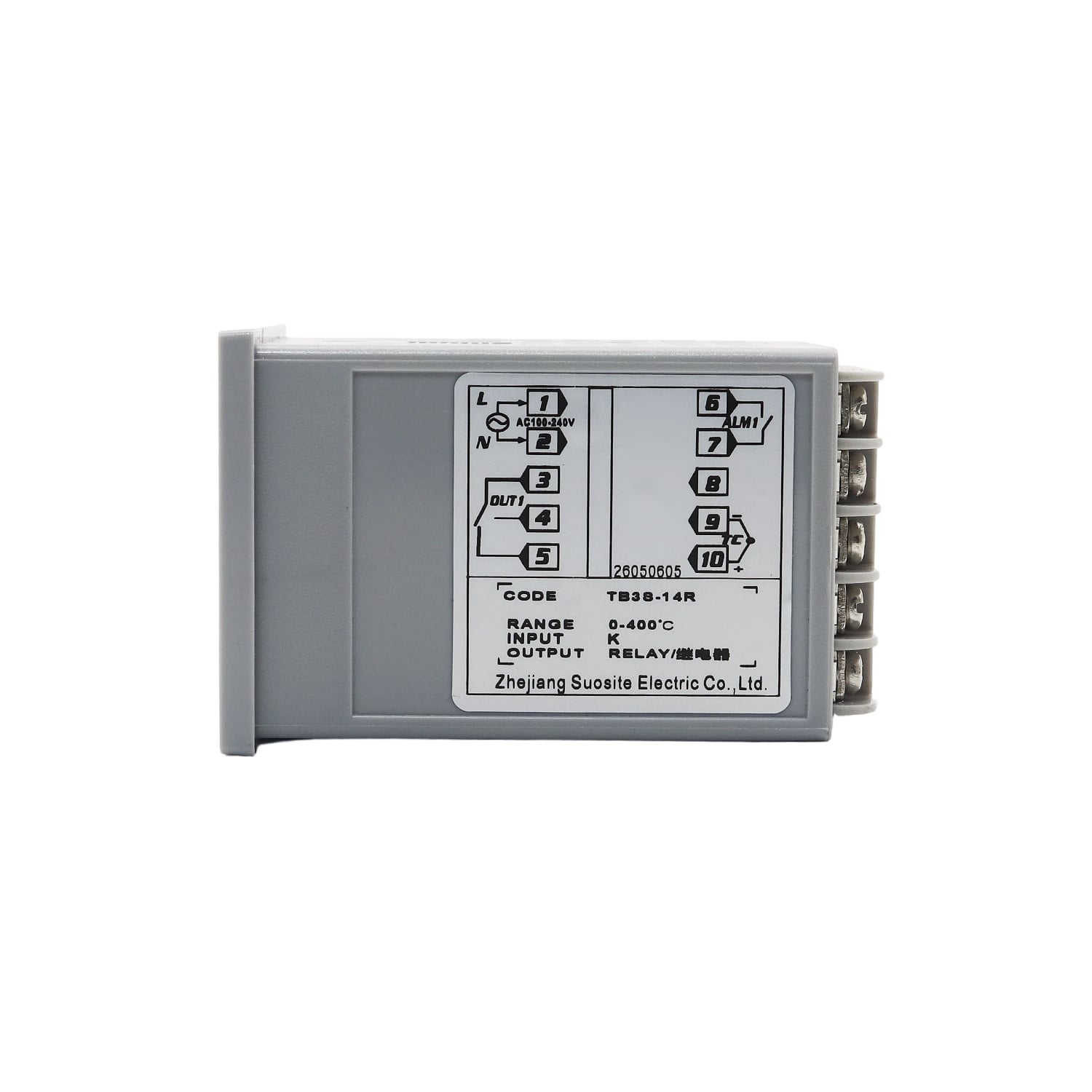
12V Temperature Controller: PID Precision for DC Systems

All Categories

12V Temperature Controller: Precision and Reliability for Industrial and Commercial Applications

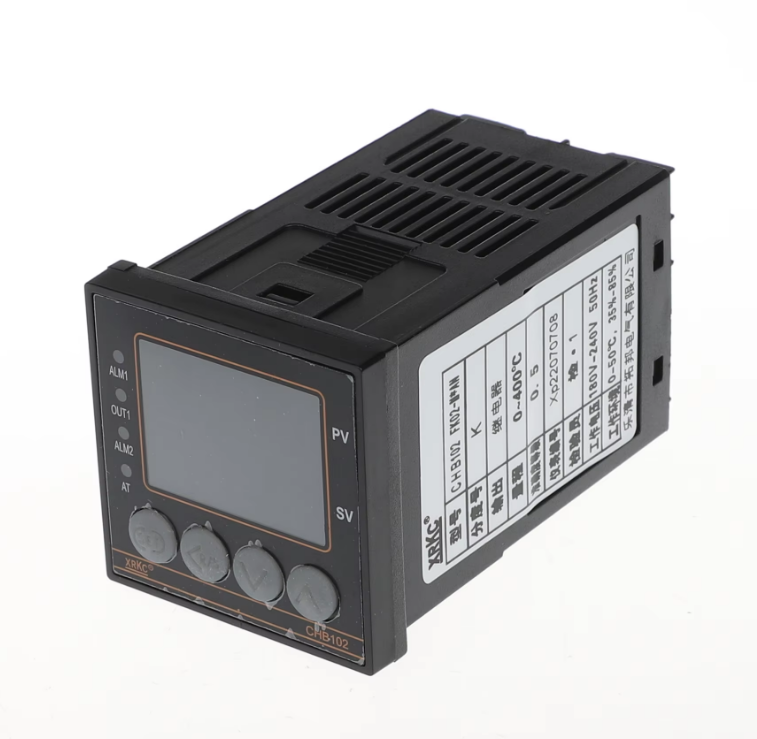
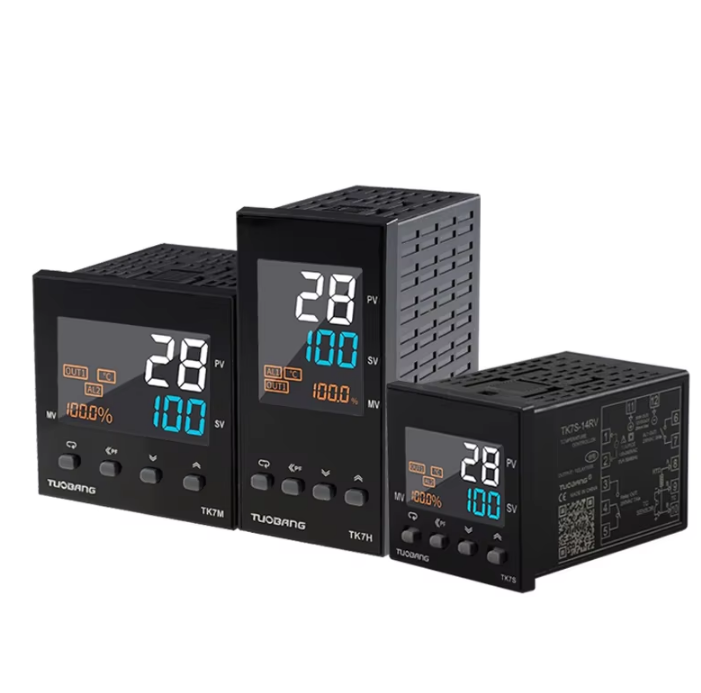
Welcome to the comprehensive guide on 12V temperature controllers, presented by Zhejiang Suosite Electrical Technology Co., Ltd. As a national high-tech enterprise, we specialize in the research, development, and manufacturing of advanced temperature measurement and control instruments. Our 12V temperature controllers are engineered to deliver exceptional precision, energy efficiency, and durability, making them ideal for a wide array of applications including automotive, marine, HVAC, greenhouses, aquaponics, and portable electronic enclosures. These controllers are designed to operate seamlessly in low-voltage DC environments, ensuring safe and accurate temperature regulation even in remote or battery-powered setups. With a commitment to 'customer first, scientific and technological innovation', we continuously integrate the latest international technology and design concepts into our products.
Get A Quote

Case Study

Precise Temperature Control with Advanced PID Algorithm

Our 12V temperature controllers utilize a sophisticated PID (Proportional-Integral-Derivative) algorithm to maintain temperature within ±0.2% of the setpoint. This self-tuning feature automatically adjusts the control parameters to match the thermal characteristics of your system, minimizing overshoot and oscillation. The result is a highly stable and accurate temperature regulation, which is critical in processes like food processing, refrigeration, and lab equipment. The controller supports a wide measurement range (e.g., -200 to 1200°C depending on sensor type) and offers high resolution (0.1°C), ensuring fine control even for delicate applications. This precision directly translates to improved product quality, reduced energy waste, and enhanced process repeatability, giving you a competitive edge in your industry.

Wide Compatibility and Versatile Input Options

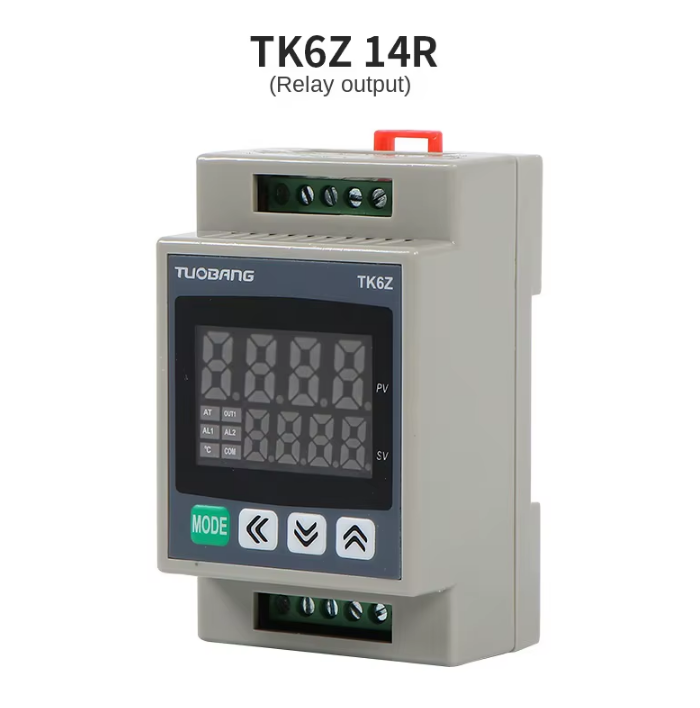
These controllers are designed to work with a variety of temperature sensors, including thermocouples (K, E, J, T), RTDs (PT100), and thermistors (NTC). This flexibility allows you to choose the most suitable sensor for your application without being locked into a single type. Furthermore, the devices accept both 12V DC and 24V DC power supplies, making them perfect for automotive, marine, or solar-powered systems. They come with multiple output options: relay, SSR, logic, or 4-20mA current, enabling seamless integration with heating/cooling elements, fans, valves, or alarms. RS485 Modbus communication is available on many models, allowing for remote monitoring and control via PLC or SCADA systems. This adaptability ensures that our 12V temperature controllers can be deployed across various industries, from industrial automation to greenhousing, with minimal configuration.

Robust Design and User-Friendly Interface

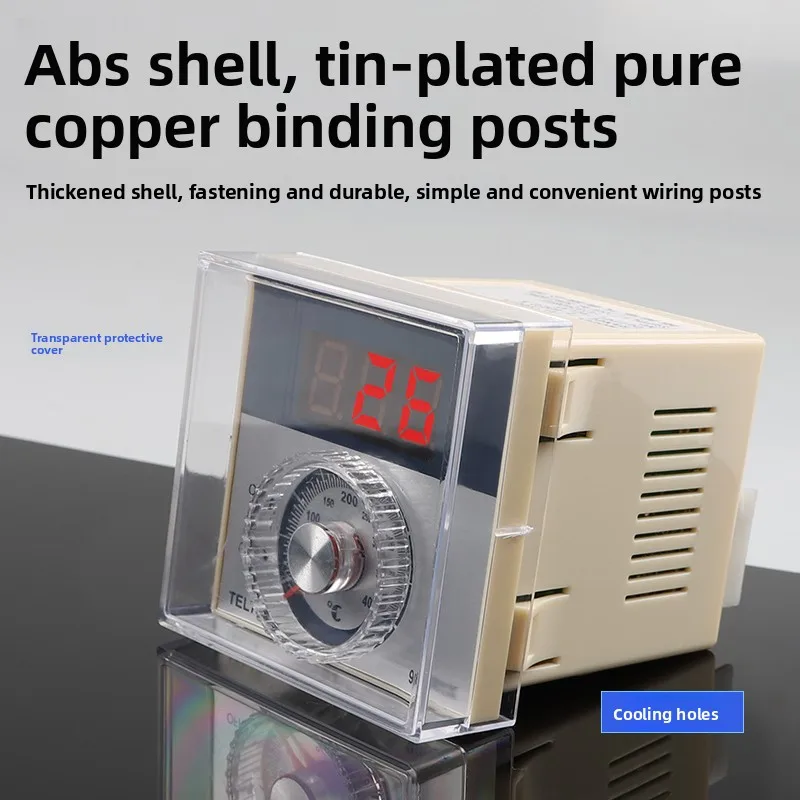
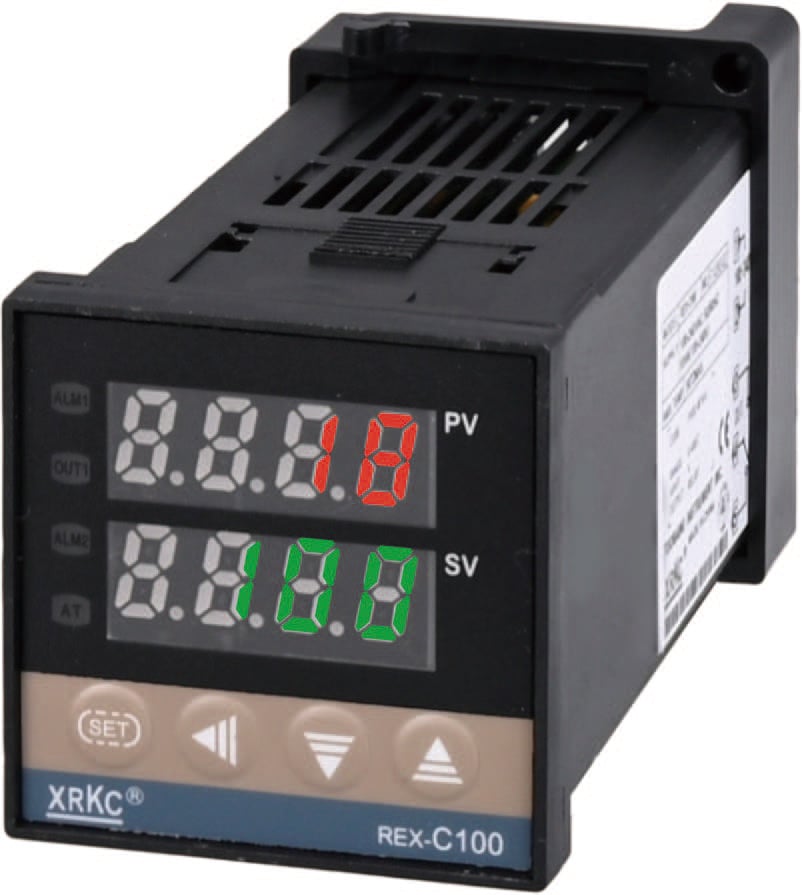
Built with high-grade ABS plastic and featuring a compact yet ergonomic design, our controllers are rated for industrial use with an IP65 front panel protection against dust and water splashes. The bright LED or touch-screen displays provide clear readouts even in low-light conditions. The keypad is intuitive, allowing for quick setting changes and parameter adjustments. Advanced models include a calendar and timer functions, enabling scheduled temperature control. The devices also incorporate built-in diagnostics and alarm systems to alert users of sensor failures, high/low temperature excursions, or heater short circuits. With easy-to-navigate menus and a manual that simplifies installation, even less tech-savvy users can operate these controllers efficiently. Our commitment to quality ensures a long service life, backed by a 1-year warranty and a responsive technical support team.

Related products

The 12V temperature controller is a pivotal component in modern thermal management systems, especially in scenarios where low-voltage operation is essential. Unlike traditional AC controllers, these devices operate on 12V DC, which is safer in wet or explosive environments, consumes less power, and can be powered by batteries or solar panels, making them indispensable for mobile, marine, and off-grid installations. Our controllers utilize microcomputer technology to digitize temperature sensing and control, offering features like PID auto-tuning, hysteresis settings, and temperature ramp/soak programming. This level of control is crucial for processes like 3D printing, food fermentation, and greenhouse cultivation, where temperature swings can ruin the output. Moreover, the integration of RS485 connectivity facilitates the creation of a networked control system, allowing a central computer to monitor and adjust multiple controllers simultaneously. This is particularly advantageous in large-scale industrial operations where consistency and data logging are mandated. With a 12V temperature controller from Suosite, you gain not just a product, but a comprehensive support system. Our experienced R&D team continuously refines our products to meet the evolving needs of the global market. By choosing Suosite, you align with a partner committed to quality, innovation, and your operational success.

Frequently Asked Questions

What is the power supply range for your 12V temperature controllers?

Our 12V temperature controllers are designed to accept a DC voltage range of 10-14V, ensuring stable operation even with slight fluctuations in battery voltage. Some models feature an auto-sensing power supply that can operate from 12V to 24V DC, providing greater flexibility. This wide input range is crucial in automotive or battery-powered systems where voltage variations are common. Our controllers incorporate a robust internal voltage regulator to maintain consistent performance, preventing damage due to overvoltage. For marine or vehicle applications, we recommend a stable DC source with proper fusing. The power consumption of the controller is minimal, typically less than 5W, making it suitable for energy-efficient setups. Please refer to the specific product datasheet for exact specifications, as they may vary slightly by model.
Yes, many of our 12V temperature controllers feature dual outputs for heating and cooling, allowing you to control both a heating element and a cooling fan or valve simultaneously. This is especially useful in applications such as HVAC systems, where you need to maintain a set temperature by activating either the heater or the cooler based on the temperature deviation. The controllers are equipped with a programmable algorithm to prevent simultaneous activation, which can cause system conflicts. Additionally, you can set different hysteresis values for heating and cooling to fine-tune performance. The relay outputs are typically rated for 10A, suitable for most low-power devices; for higher loads, we recommend using an external contactor or solid state relay. This feature provides a complete temperature solution in a single compact device, simplifying installation and reducing costs.
Our 12V temperature controllers are compatible with a wide range of sensors, including thermocouples (K, E, J, T, S), RTDs (PT100), and NTC thermistors. The input type can be configured via the front panel or via RS485 software, allowing you to select the appropriate sensor for your application. Thermocouples are ideal for high-temperature measurement (up to 1200°C) due to their wide range and ruggedness, while PT100 sensors offer excellent accuracy and stability for lower temperatures. NTC thermistors are cost-effective for moderate ranges. All our controllers provide cold junction compensation for thermocouples to ensure accuracy. For maximum reliability, we recommend using shielded sensor cables to avoid electromagnetic interference. If you are unsure which sensor type to use, our technical team can assist you in making the right choice based on your process requirements.
Absolutely. Many models are equipped with RS485 communication using the Modbus RTU protocol. This allows you to connect the controller to a PC, PLC, or other industrial networks, enabling real-time monitoring and control from a central location. With the appropriate software, you can log temperature data, adjust setpoints, and receive alarms remotely. This is particularly beneficial for industrial plants, laboratories, or agricultural operations where multiple controllers need to be supervised. For comprehensive remote access, we offer optional Wi-Fi or Ethernet modules that can be integrated. Additionally, some models have a USB port for direct data logging. Our controllers are compatible with popular SCADA systems, making integration into existing automation systems straightforward. This connectivity enhances operational efficiency and facilitates data-driven decision-making.
Our 12V temperature controllers are manufactured in our ISO9001-certified facility and comply with CE, RoHS, and FCC standards, ensuring they meet stringent safety and environmental requirements. Each unit undergoes rigorous testing, including calibration, insulation resistance, and burnout resistance, to ensure reliable performance under harsh conditions. We also hold multiple patents for our innovative designs. In terms of warranty, we offer a 2-year replacement warranty against manufacturing defects, along with free technical support for the lifetime of the product. Our quality control processes are fully traceable, from incoming components to final assembly. We are confident in the quality of our products, as evidenced by the 10 million units sold globally. Should you encounter any issues, our dedicated after-sales team is committed to resolving them promptly, ensuring minimal downtime for your operations.

Related article

Why is PID tuning crucial in a temperature controller for stable operation?

23

Jul

Why is PID tuning crucial in a temperature controller for stable operation?

The Difference Between a Controller and a Good Controller A PID temperature controller is only as effective as its tuning. The hardware might be state-of-the-art, the sensor might be freshly calibrated, and the actuator might be brand new—but i...
View More
What industries benefit most from using a PID temperature controller?

27

Jul

What industries benefit most from using a PID temperature controller?

More Than a Component—A Critical Enabler Walk through almost any modern production facility, and the chances of spotting a PID temperature controller on a panel are remarkably high. These devices have become so embedded in industrial infrastruc...
View More
How does a PID temperature controller eliminate temperature overshoot?

07

Aug

How does a PID temperature controller eliminate temperature overshoot?

The Overshoot Problem Nobody Talks About Temperature overshoot isn't just a nuisance—it's a process killer. In heat treatment, overshooting the target temperature by even a few degrees can alter the metallurgical properties of a component, comp...
View More
Why does a temperature controller need an auto-tuning feature?

12

Aug

Why does a temperature controller need an auto-tuning feature?

The Hidden Cost of Manual PID Tuning Manual tuning of a PID temperature controller is one of those tasks that looks straightforward on paper but turns into a time sink on the shop floor. The traditional approach involves setting proportional, integra...
View More

Reviews

James Smith

We use the 12V temperature controller in our fishing vessel's refrigeration units. The device has been running flawlessly for over a year, maintaining the catch at the perfect temperature. The watertight front panel is a huge plus, and the low power consumption is ideal for our battery system. The PID control is spot-on, and we've seen no temperature swings. Highly recommend!

Maria Gonzalez

As a commercial greenhouse owner, I needed a controller that could handle various heating zones. The Suosite 12V model with RS485 allowed me to integrate it with our central monitoring system. Programming is a breeze, and the support team was exceptional during setup. The auto-tuning feature saved us time and energy. Our plants have never been happier. Great investment!

Get a Free Quote

Our representative will contact you soon.
Email
Name
Company Name
Message
0/1000
Advanced PID Auto-Tuning for Consistent Precision

Advanced PID Auto-Tuning for Consistent Precision

The controller's intelligent auto-tuning function simplifies setup by automatically calculating optimal PID parameters based on the system's response. This eliminates the need for manual adjustments, saving time and reducing errors. The precise regulation ensures minimal temperature overshoot and oscillation, which is vital for sensitive processes like semiconductor manufacturing or pharmaceutical storage. Moreover, the PID algorithm adapts to changes in the system, such as varying ambient temperatures or load fluctuations, maintaining consistent control. This self-optimizing feature is a clear advantage over simpler on/off controllers, delivering superior process stability and energy savings. With our 12V temperature controller, you can achieve laboratory-grade control even in field conditions, enhancing product quality and reducing waste.
Multi-Functionality with Programmable Ramp/Soak Profile

Multi-Functionality with Programmable Ramp/Soak Profile

Certain models include a ramp/soak function, which allows you to program a temperature profile with multiple segments (e.g., heating to a setpoint, holding for a duration, then cooling). This is essential for processes like heat treatment, plastic molding, and food smoking, where temperature must vary according to a precise schedule. The controller can store up to 100 programs with 20 segments each, giving you excellent flexibility. You can also set timers for each soak period, with automatic advance to the next step. The ability to run cyclic processes unattended increases productivity and ensures repeatability, a key requirement in industrial settings. This feature provides huge value, as it eliminates the need for manual supervision and reduces the risk of human error.
Energy Efficiency and Cost Savings

Energy Efficiency and Cost Savings

Our 12V temperature controllers are designed to optimize energy consumption. By utilizing 12V DC power, they are inherently more efficient for low-power applications compared to AC controllers that require transformers. The precise PID control prevents unnecessary heating or cooling, directly reducing energy bills. Additionally, the controllers offer a 'smart' standby mode that reduces power consumption when not actively changing the output. For battery-operated systems, such as recreational vehicles or solar-powered installations, the low power draw extends battery life. Over time, these savings can be significant. Moreover, the durability and reliability of our controllers mean fewer replacements and lower maintenance costs, providing a higher return on investment. By choosing Suosite, you are making a cost-effective, environmentally friendly choice for your temperature control needs.
Newsletter
Please Leave A Message With Us