Fan Temperature Controller | PID Precision & OEM Support

All Categories

Fan Temperature Controller | Precision Thermal Management for Industrial Applications

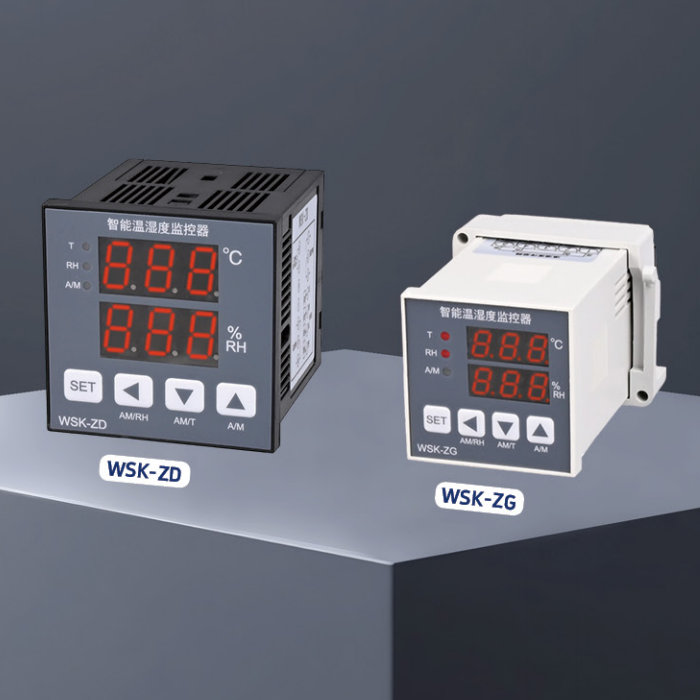
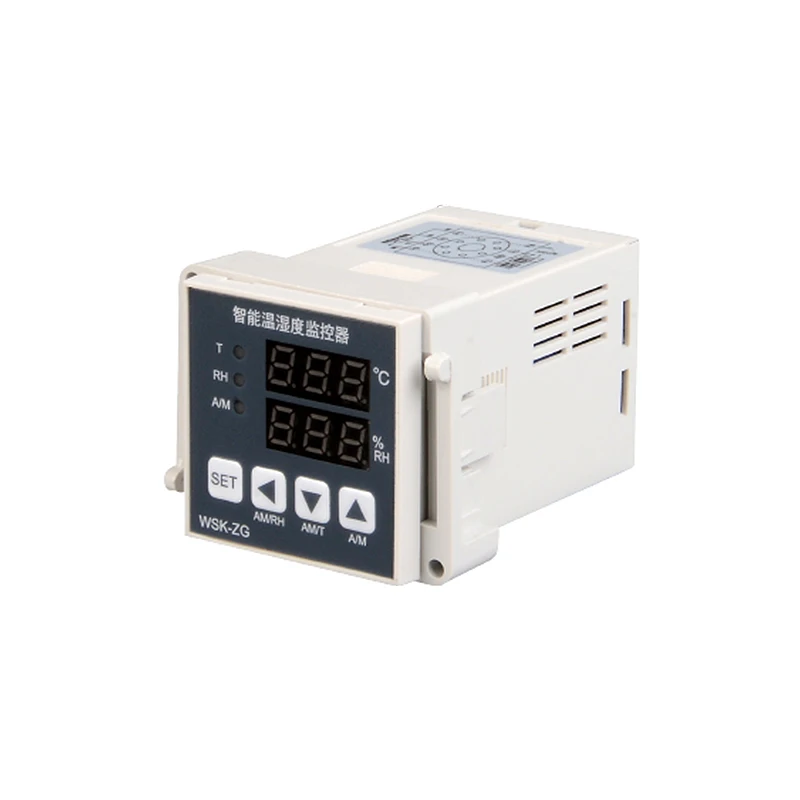
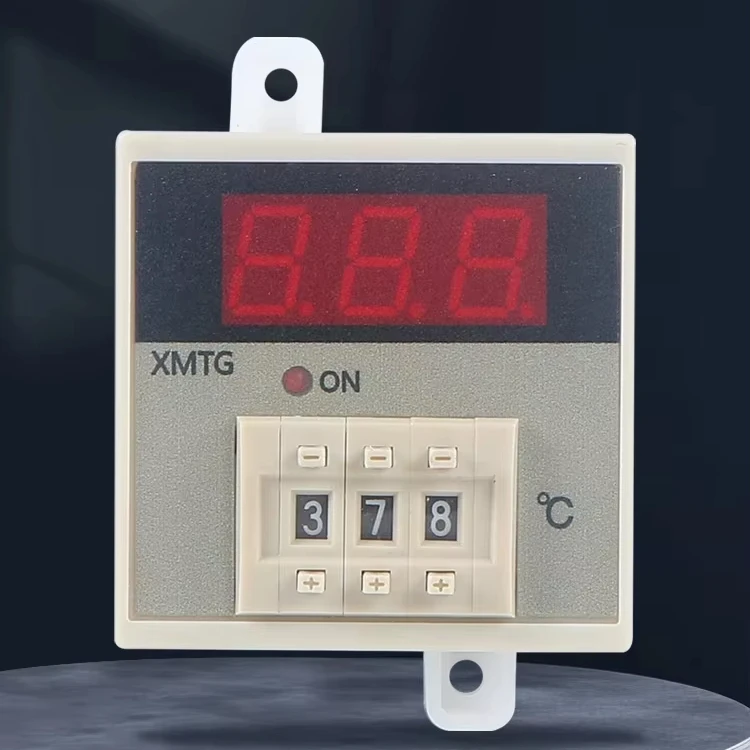
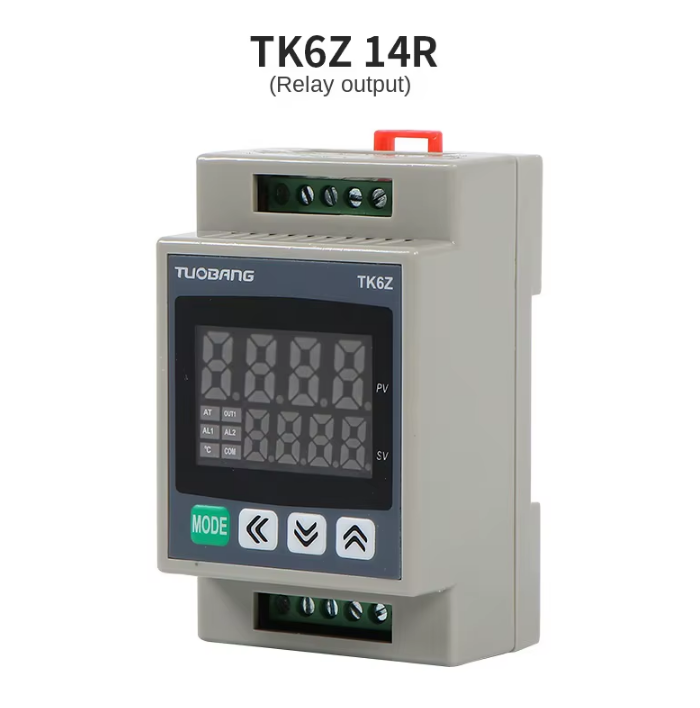
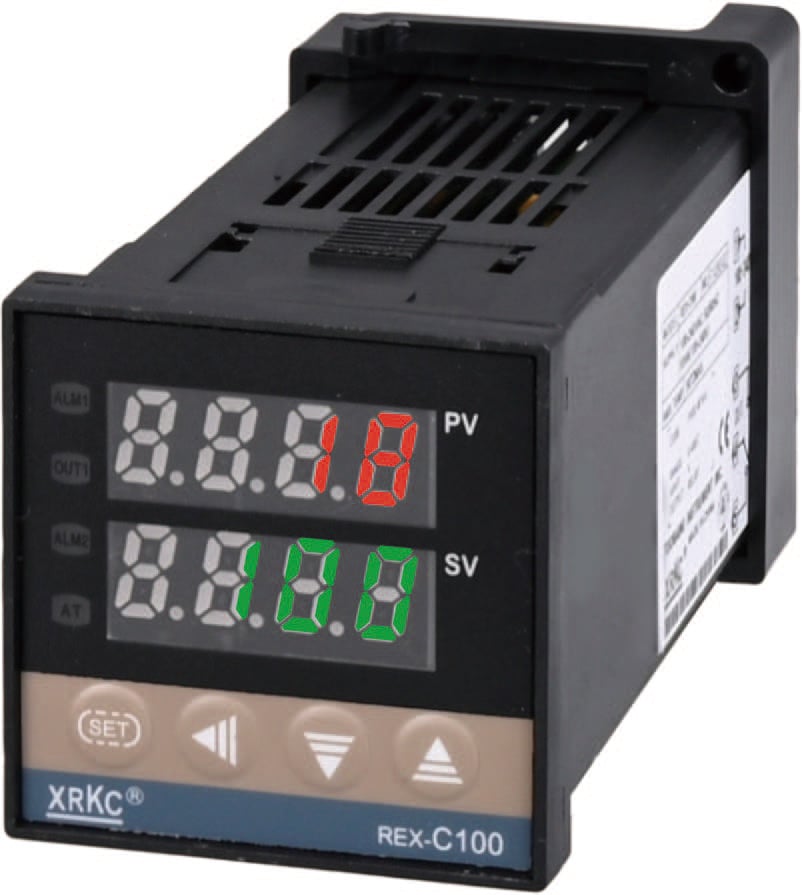
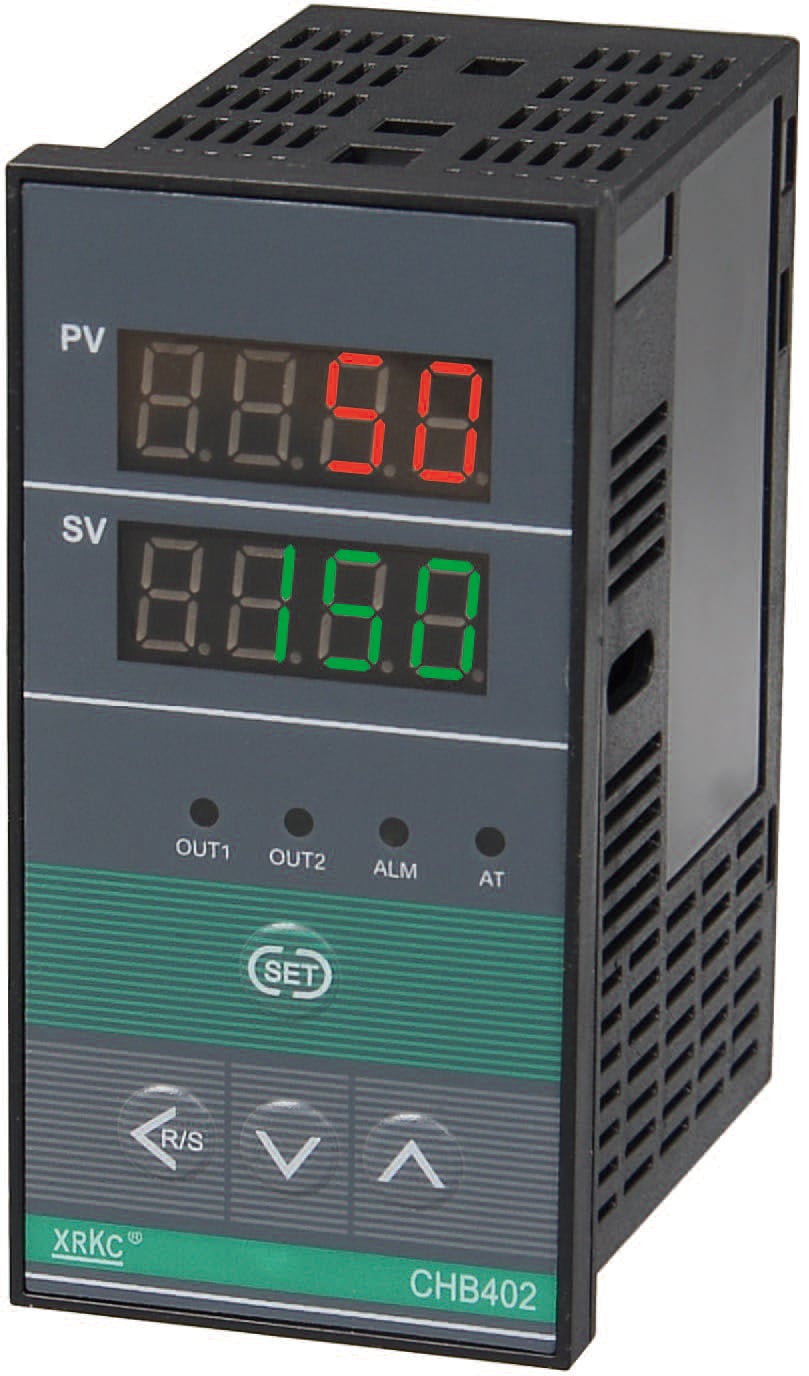
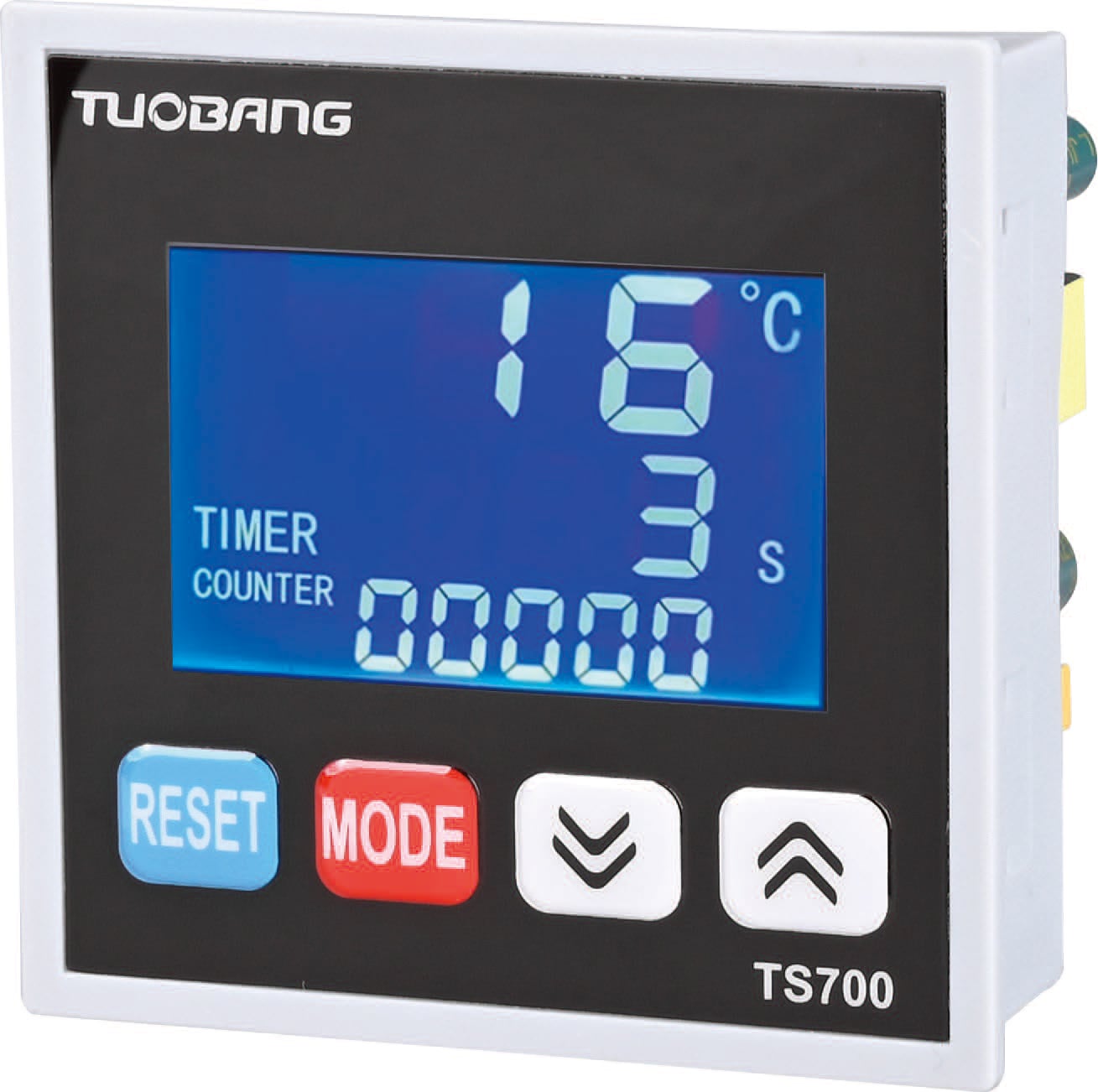
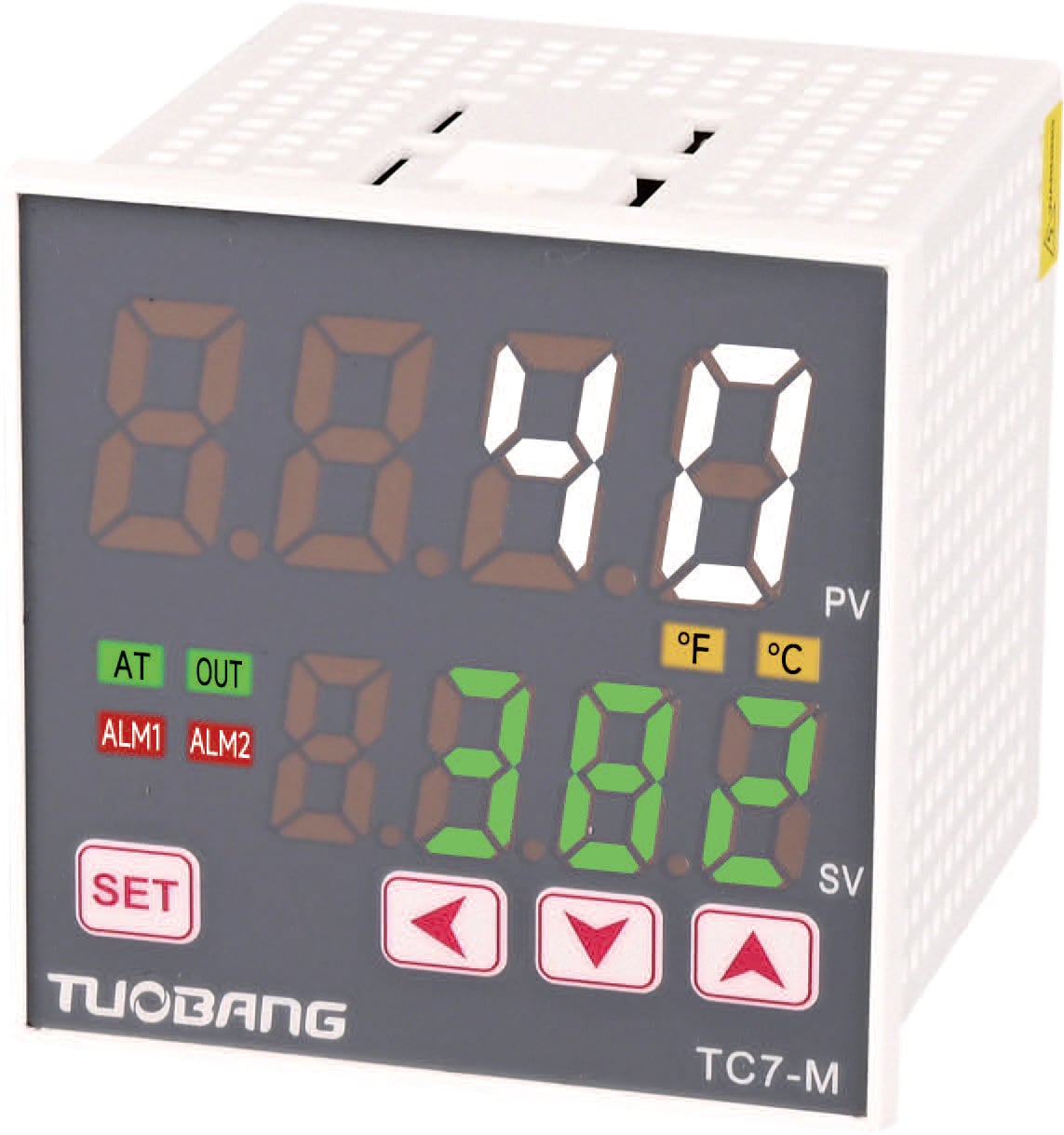
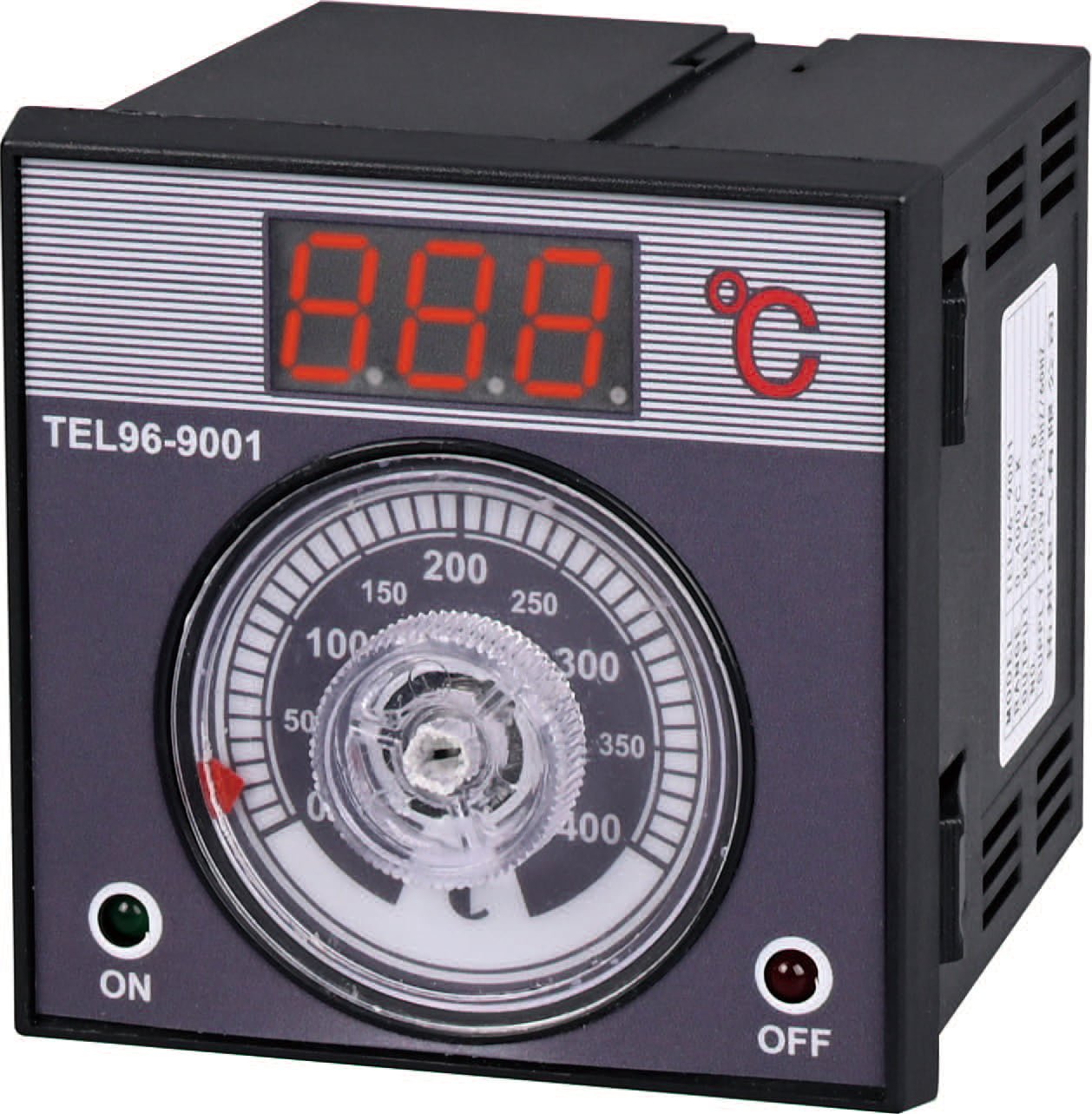
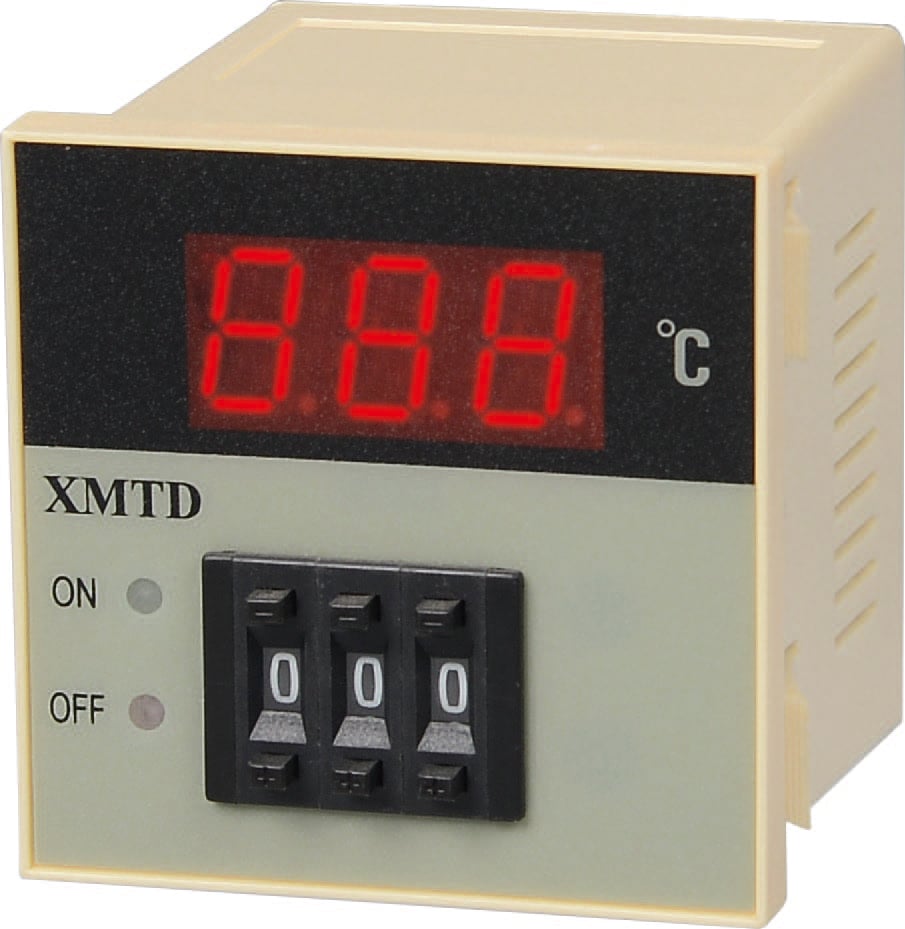
Discover advanced fan temperature controllers engineered by Zhejiang Suosite Electrical Technology Co., Ltd., a national high-tech enterprise with over a decade of expertise in temperature control instrumentation. Our fan temperature controllers integrate cutting-edge PID algorithms, solid-state relay outputs, and multi-sensor compatibility to deliver precise thermal management for HVAC systems, industrial dryers, packaging machines, and automation lines. Designed for global markets, these devices feature intuitive LED interfaces, RS485 communication, and robust ABS housings that withstand harsh environments. With CE certification, OEM/ODM customization, and a monthly output exceeding 100,000 units, our products ensure reliable performance, energy efficiency, and rapid deployment. Whether you require standard models or bespoke solutions, our professional R&D team supports every step—from concept to commissioning.
Get A Quote

Case Study

Precision PID Control for Accurate Fan Speed Regulation

Our fan temperature controllers utilize advanced PID (Proportional-Integral-Derivative) algorithms to maintain temperature within rigorous tolerances. This ensures that fan speed adjusts dynamically based on real-time sensor feedback, preventing temperature overshoot and minimizing energy consumption. Whether controlling a single fan or a complex multi-zone system, our controllers deliver stable, repeatable performance. The integrated solid-state relay (SSR) output provides fast, silent switching, extending the lifespan of connected fans. With adjustable parameters accessible via a user-friendly keypad, operators can fine-tune control characteristics to match specific process requirements. Our controllers support K, E, J, T, and PT100 sensor inputs, offering flexibility across diverse thermal environments. This precision translates into superior product quality, reduced waste, and enhanced process efficiency for industries such as plastic molding, food processing, and semiconductor man

Robust Design with RS485 Communication for Seamless Integration

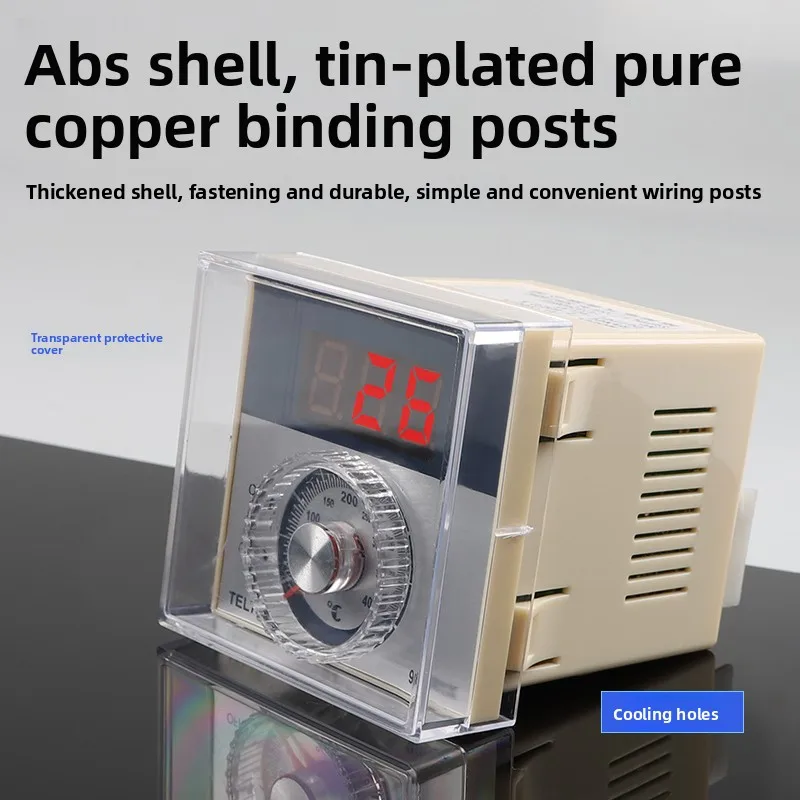
Engineered for industrial environments, our fan temperature controllers feature a rugged ABS enclosure that resists dust, moisture, and mechanical impact. The LED display offers clear visibility of process temperature and setpoint, even in low-light conditions. For modern smart factories, many models come equipped with RS485 Modbus communication, enabling seamless integration with PLCs, SCADA systems, and IoT platforms. This allows for remote monitoring, data logging, and centralized control, streamlining operations and reducing manual interventions. The controllers also support dual outputs (cooling and heating) and alarm functions, ensuring comprehensive temperature management. With a wide operating voltage range (100-240VAC) and low power consumption, our devices are suitable for global deployment. This robust design ensures long-term reliability, minimizing maintenance costs and production halts.

Customizable Solutions with OEM/ODM Services and Global Certifications

Recognizing that every application is unique, Suosite offers extensive customization options for our fan temperature controllers. We provide OEM/ODM services, allowing you to tailor the controller's appearance, logo, software parameters, and even hardware interfaces to fit your specific branding and operational needs. Our in-house R&D team works closely with clients to develop bespoke solutions, whether you need a compact design for space-constrained installations or special sensor calibration for extreme temperatures. All our products meet CE, CCC, and other international certifications, ensuring compliance with global safety and electromagnetic compatibility standards. By choosing Suosite, you benefit from a partner committed to quality, innovation, and customer satisfaction, backed by over 10 million units sold worldwide.

Related products

Fan temperature controllers play a pivotal role in modern industrial automation, ensuring that equipment operates within optimal temperature ranges to prevent overheating, maintain product quality, and reduce energy consumption. At Zhejiang Suosite Electrical Technology Co., Ltd., we specialize in manufacturing high-performance fan temperature controllers that combine precision engineering with user-friendly design. Our controllers are built to meet the rigorous demands of industries such as automotive, food processing, pharmaceuticals, and plastics, where temperature consistency is critical for process integrity. The core function of a fan temperature controller is to regulate the speed of cooling fans or blowers based on temperature feedback from sensors. By adjusting fan speed in proportion to the temperature deviation, these controllers maintain a stable thermal environment while optimizing power usage. Advanced PID algorithms implemented in our devices minimize hysteresis and overshoot, achieving tight control loops that respond quickly to load changes. This is particularly crucial in applications like plastic injection molding, where precise temperature control of the mold directly impacts product quality and cycle time. Furthermore, our fan temperature controllers are designed with global market needs in mind. They support multiple power supply voltages (100-240VAC) and sensor types, making them adaptable to different regions and systems. The RS485 communication option allows for seamless integration with industrial networks, enabling remote control and data acquisition. With a strong emphasis on durability, our controllers feature robust construction that withstands shock, vibration, and extreme environmental conditions. From design to after-sales service, Suosite ensures that every product delivers outstanding performance and reliability, backed by comprehensive technical support and a commitment to customer satisfaction.

Frequently Asked Questions

How does a fan temperature controller differ from a standard thermostat?

A fan temperature controller is specifically designed to regulate the speed of fans or cooling devices based on temperature, while a standard thermostat simply turns heating or cooling equipment on or off. Our controllers use continuous PID control to provide variable-speed operation, which leads to more consistent temperature regulation and energy savings. For instance, when the temperature approaches the setpoint, the fan speed gradually reduces, avoiding abrupt temperature swings and mechanical stress. This precision is essential in applications where temperature stability directly affects product quality, such as in drying ovens or greenhouse climate control. Our fan temperature controllers also offer advanced features like alarms, ramp-and-soak profiles, and remote communication, making them far more versatile than basic thermostats.
Our fan temperature controllers support a wide range of sensors, including thermocouples (K, E, J, T, S, R) and RTDs (PT100, PT1000). This flexibility allows you to select the most suitable sensor based on temperature range, accuracy, and cost. For example, type J thermocouples are ideal for low-temperature applications, while type K thermocouples are more versatile and commonly used in industrial settings. PT100 RTDs offer higher accuracy and stability, making them perfect for processes requiring stringent temperature control. The controller automatically detects the sensor type during configuration, simplifying setup and reducing the risk of error. It is crucial to use high-quality, properly calibrated sensors to ensure optimal performance.
Yes, depending on the model and its output capabilities. Our controllers typically feature one or two independent outputs, which can be configured to control multiple fans in parallel, provided the total current load does not exceed the output rating. For larger systems with multiple fans, we recommend using an external contactor or SSR to amplify the control signal. This approach allows a single controller to manage a bank of fans efficiently while maintaining consistent temperature regulation. Additionally, our controllers with RS485 communication can be networked, enabling a centralized control system to manage multiple fans across different zones. If you have a specific multi-fan application, our technical team can help design a solution that meets your requirements.
RS485 communication enables the controller to interface with a central monitoring system, such as a PLC or SCADA, allowing remote access to real-time data, parameter changes, and alarms. This is particularly beneficial for facilities where multiple controllers are located in hard-to-reach areas. With RS485, you can monitor temperatures, adjust setpoints, and log historical data without physically accessing each controller. This simplifies maintenance, reduces downtime, and enhances process visibility. For example, in a large warehouse with multiple climate zones, an operator can oversee all controllers from a single control room, ensuring optimal environmental conditions. Our controllers use industry-standard Modbus protocol, ensuring compatibility with a wide range of industrial software and hardware.
Calibration ensures that the controller displays and controls temperature accurately. Our controllers feature a built-in sensor offset adjustment, which allows you to compensate for sensor errors or installation anomalies. To calibrate, you will need a reliable reference thermometer. First, compare the controller reading with the reference thermometer at a stable temperature point. If there is a difference, use the controller's menu to adjust the sensor offset until the displayed value matches the reference. For high-precision applications, we recommend periodic calibration using certified standards. Suosite also provides detailed user manuals and technical support for calibration procedures, ensuring your controllers maintain long-term accuracy. Additionally, our PID auto-tuning feature helps optimize control parameters for your specific process, further enhancing performance.

Related article

How does a PID temperature controller eliminate temperature overshoot?

07

Aug

How does a PID temperature controller eliminate temperature overshoot?

The Overshoot Problem Nobody Talks About Temperature overshoot isn't just a nuisance—it's a process killer. In heat treatment, overshooting the target temperature by even a few degrees can alter the metallurgical properties of a component, comp...
View More
Why does a temperature controller need an auto-tuning feature?

12

Aug

Why does a temperature controller need an auto-tuning feature?

The Hidden Cost of Manual PID Tuning Manual tuning of a PID temperature controller is one of those tasks that looks straightforward on paper but turns into a time sink on the shop floor. The traditional approach involves setting proportional, integra...
View More
Why your manufacturing line needs a high-precision temperature controller?

20

Aug

Why your manufacturing line needs a high-precision temperature controller?

The Precision Gap That Costs More Than You Think Temperature control in manufacturing often gets treated as a secondary concern—something that just needs to be "close enough." The reasoning goes: if the product comes out looking right and passi...
View More
How to choose the right temperature controller for your industrial process?

25

Aug

How to choose the right temperature controller for your industrial process?

The Selection Trap That Catches Most Buyers Choosing a temperature controller looks simple at first glance. The specifications seem straightforward: input type, output type, accuracy rating, price. Many buyers treat it like a commodity purchase&mdash...
View More

Reviews

Michael Chen

We integrated Suosite fan temperature controllers into our industrial drying lines, and the results have been outstanding. The PID control is remarkably precise, keeping temperatures within ±1°C of the setpoint, which has significantly improved product consistency. The build quality is excellent, and the RS485 interface allows us to monitor all units from our central control room. Installation was straightforward, and the customer support team was responsive and knowledgeable. These controllers have reduced our energy costs by providing precise fan speed regulation, and we haven't experienced a single failure in six months of operation. Highly recommended for any industrial heating or cooling application.

Sarah Thompson

As a manufacturer of custom thermal processing equipment, we needed a fan temperature controller that could be tailored to our specific requirements. Suosite's OEM service was impeccable—they customized the firmware to include a special temperature profile for our baking ovens, and the controller performed flawlessly. The LED display is intuitive, and the overall design is sleek and durable. Our customers have noticed the enhanced precision and reliability of our machines, which has boosted our reputation. The delivery was prompt, and the pricing was competitive. We are now using Suosite controllers across all our product lines and have seen a marked improvement in customer satisfaction. Their team truly understands the importance of quality and collaboration.

Get a Free Quote

Our representative will contact you soon.
Email
Name
Company Name
Message
0/1000
Advanced PID Auto-Tuning for Hassle-Free Setup

Advanced PID Auto-Tuning for Hassle-Free Setup

One of the standout features of our fan temperature controllers is the auto-tuning function. This feature automatically calculates optimal PID parameters based on the thermal characteristics of your system, eliminating the need for manual adjustments. By analyzing the system's response to setpoint changes, the controller determines the best combination of proportional, integral, and derivative actions to minimize overshoot and settle time. This not only simplifies installation but also ensures optimal performance from the start. For complex processes where manual tuning would be impractical, auto-tuning saves time and reduces the risk of errors. Even in dynamic environments where load conditions vary, our controllers continuously adapt, maintaining stable temperatures. This innovation is particularly beneficial for engineers who may not have extensive PID tuning expertise.
Energy Efficiency with Intelligent Fan Speed Control

Energy Efficiency with Intelligent Fan Speed Control

Our fan temperature controllers are designed to significantly reduce energy consumption by modulating fan speed according to actual cooling demand. Unlike traditional on/off controls that run fans at full speed regardless of need, our controllers continuously adjust fan speed to match the heat load, using only as much energy as required. This results in energy savings of up to 30% in certain applications. For example, in HVAC systems, our controllers can reduce fan power usage during partial load conditions, leading to substantial cost savings. Moreover, by reducing the frequency of fan starts and stops, the controllers extend fan lifespan and reduce maintenance requirements. This not only lowers operational costs but also contributes to a more sustainable industrial footprint, aligning with global energy conservation goals.
Comprehensive Protection and Alarm System

Comprehensive Protection and Alarm System

Reliability is paramount in industrial environments, which is why our fan temperature controllers are equipped with comprehensive protection and alarm features. The controllers monitor sensor health and system integrity, alerting operators to any abnormalities such as sensor breakage, system errors, or temperature deviations beyond safe thresholds. These alarms can be configured to trigger visual, audible, or remote notifications via RS485, enabling rapid response to potential issues. Built-in protective mechanisms, such as output overcurrent protection and thermal management, safeguard both the controller and connected equipment. This proactive approach to system safety helps prevent costly downtime and equipment damage, ensuring uninterrupted operation. Additionally, the controllers maintain performance in harsh conditions, surpassing industry expectations for durability and reliability.
Newsletter
Please Leave A Message With Us