PID SSR Temperature Controller | ±0.1°C Precision & RS485

All Categories

Advanced PID SSR Temperature Controller for Precision Industrial Automation

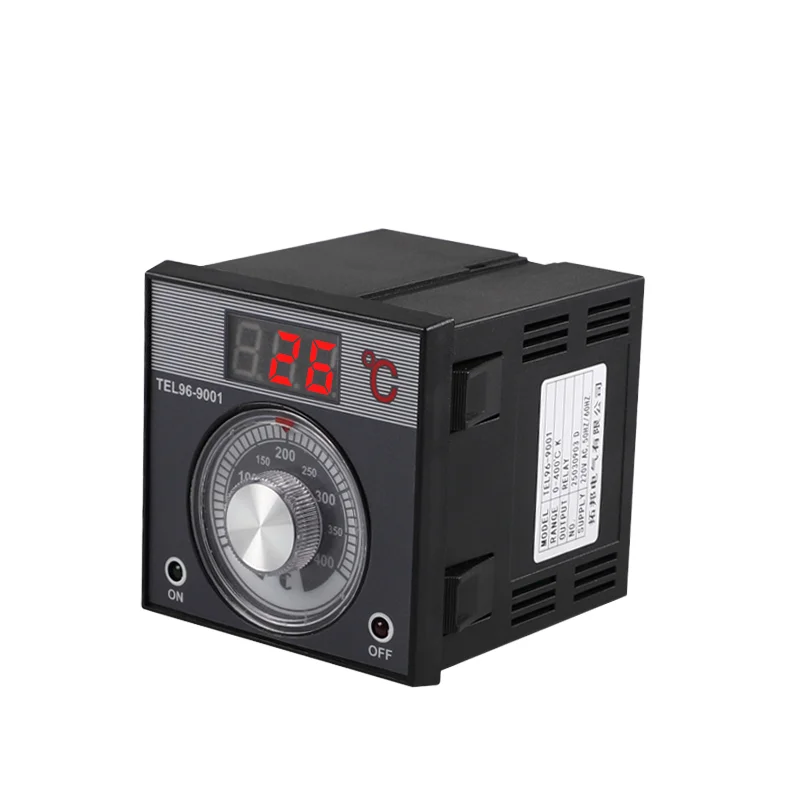
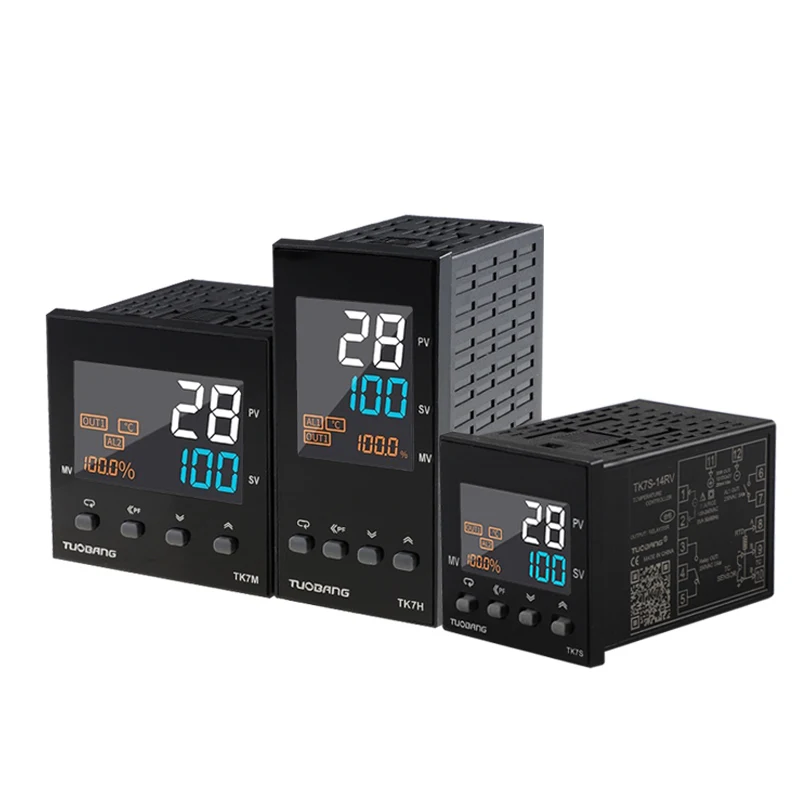
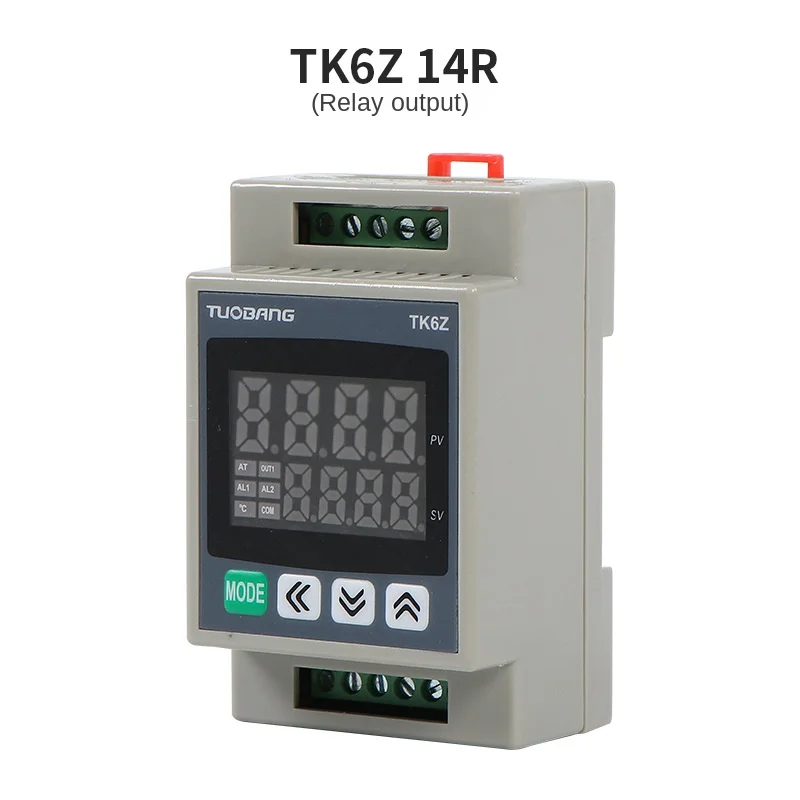
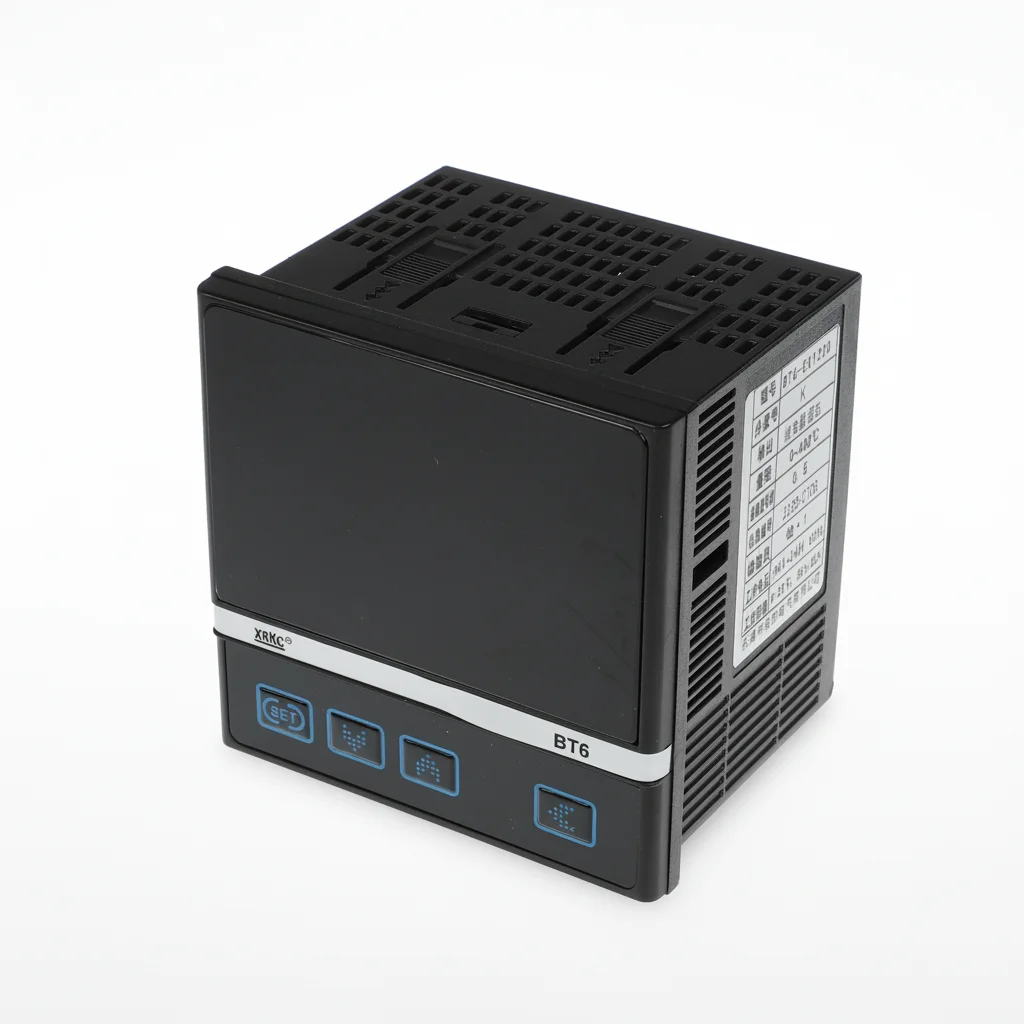
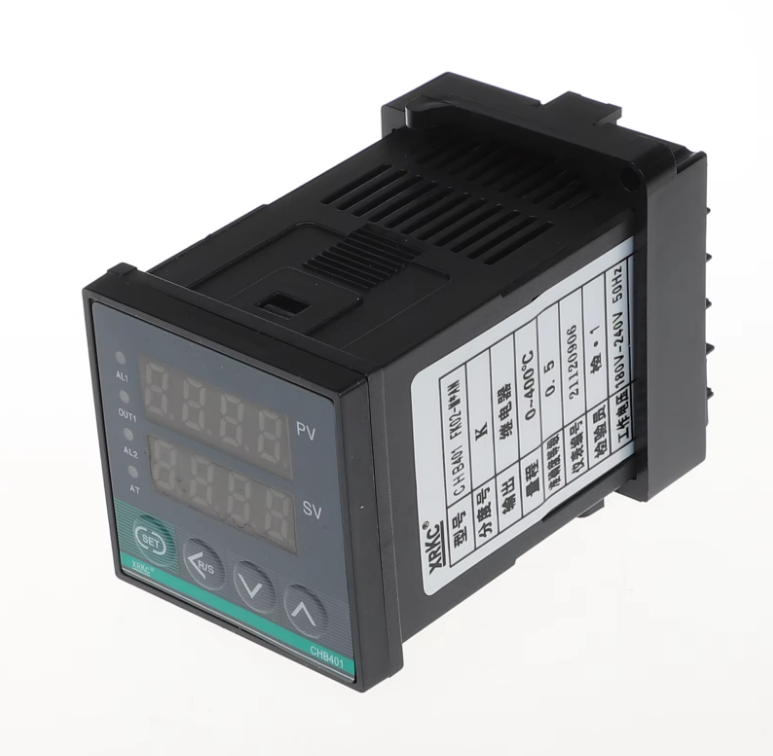
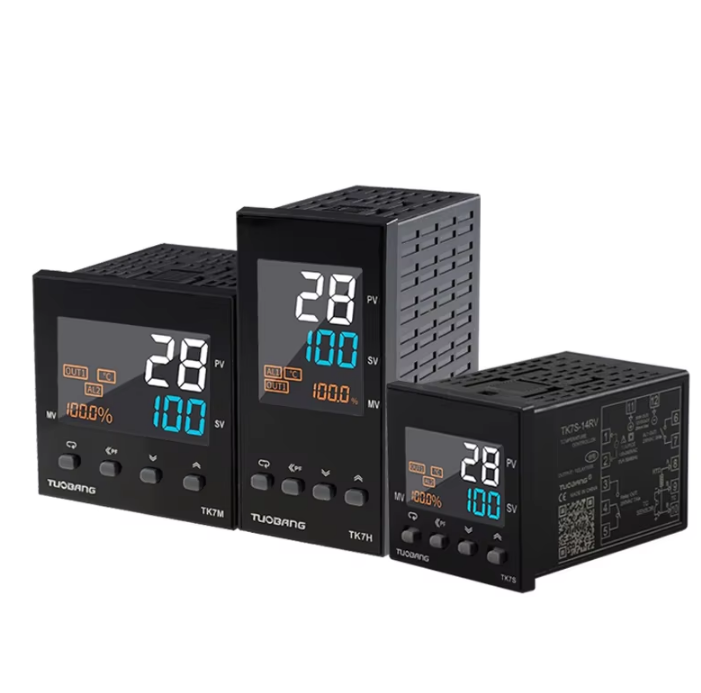
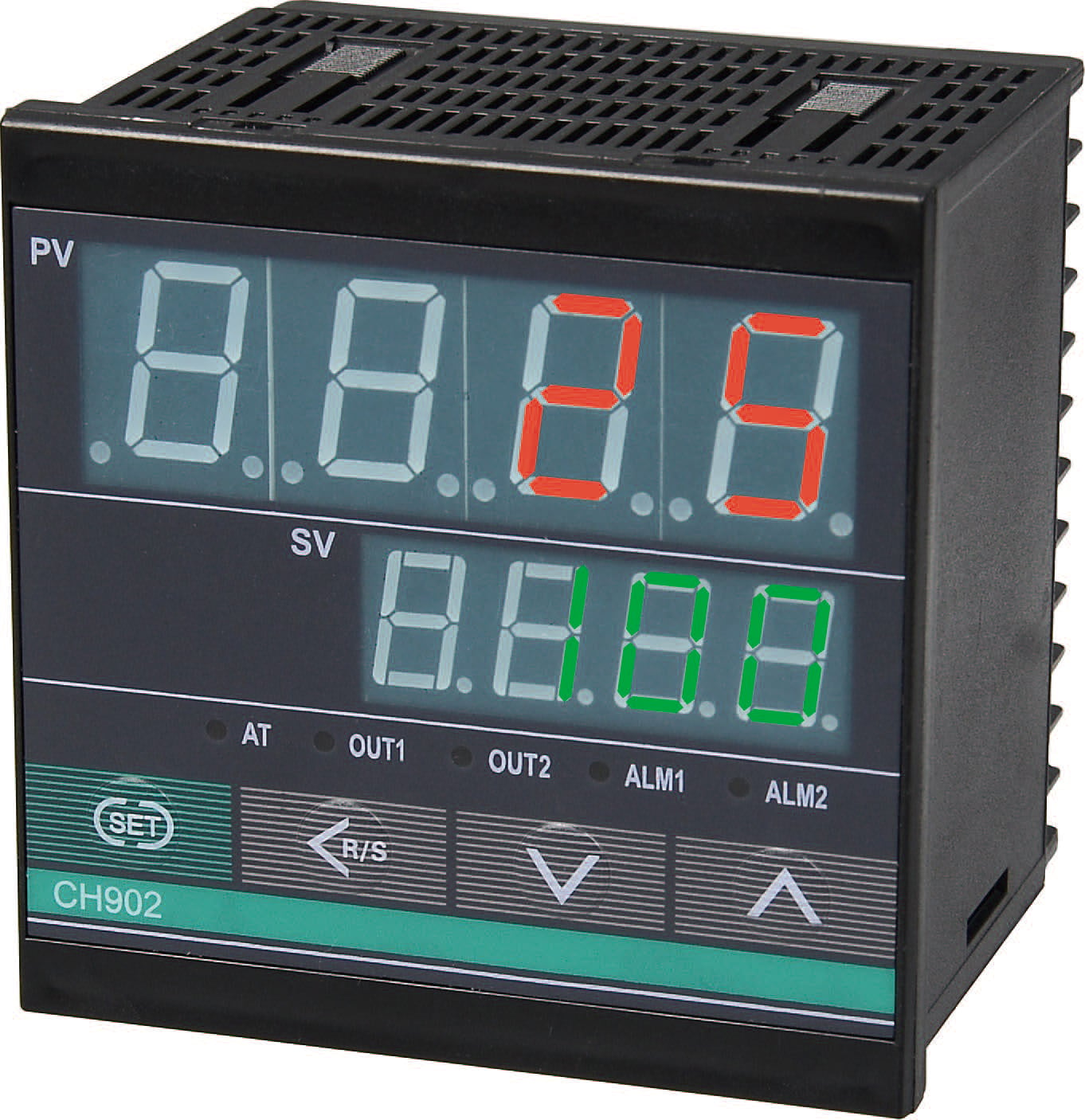
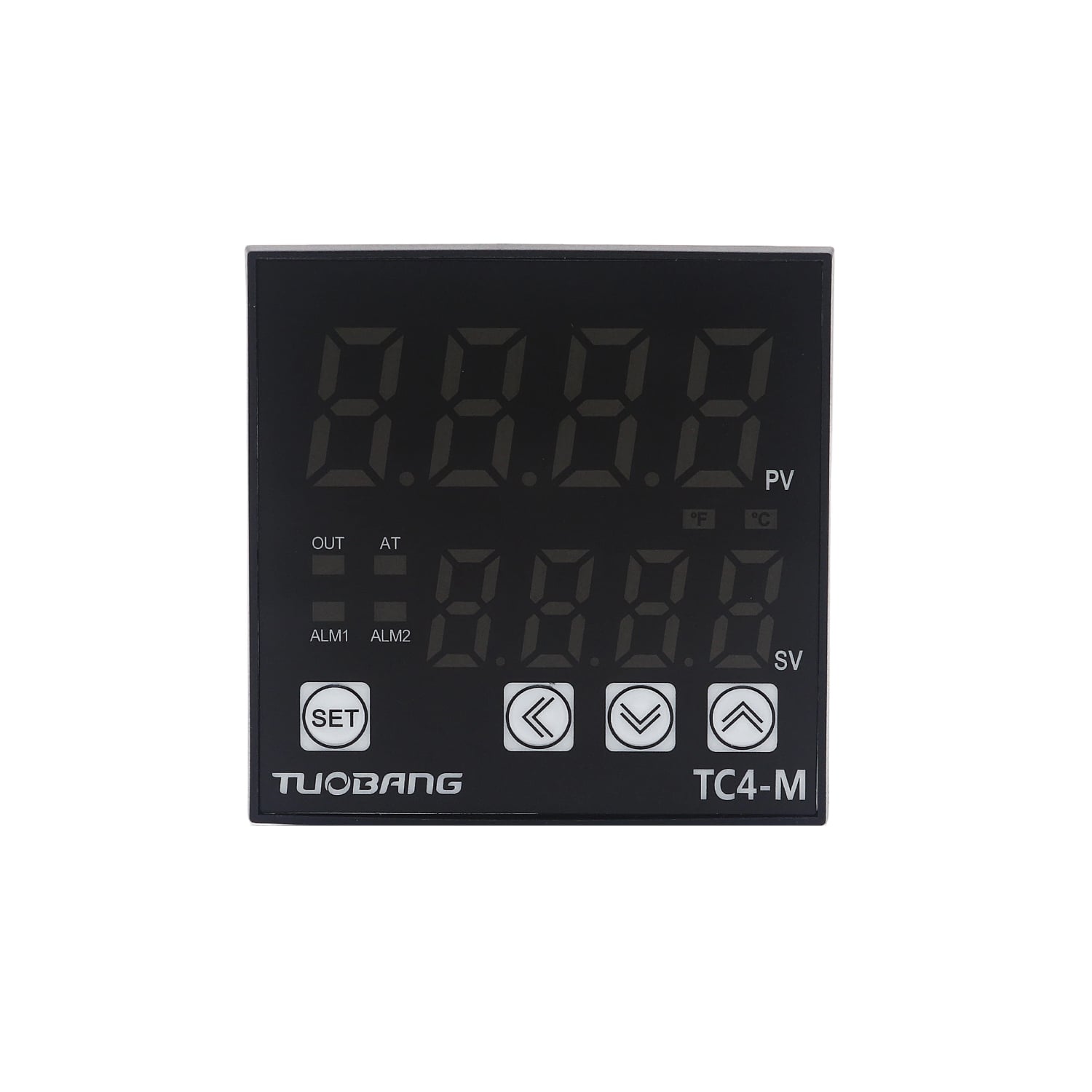
In the realm of industrial automation, achieving precise temperature control is paramount for ensuring product quality, energy efficiency, and operational safety. Our PID SSR temperature controller integrates advanced PID algorithms with solid-state relay (SSR) technology to deliver exceptional accuracy, reliability, and longevity in demanding environments. Designed and manufactured by Zhejiang Suosite Electrical Technology Co., Ltd., a national high-tech enterprise with over a decade of expertise, these controllers are engineered to meet the rigorous demands of industries such as plastics, packaging, food processing, and HVAC systems. Each unit features intuitive interfaces, multiple input options (thermocouple, RTD), and robust communication protocols like RS485 for seamless integration into existing automation networks.
Get A Quote

Case Study

High-Precision PID Control with Fast Response

Our PID SSR temperature controllers utilize refined PID algorithms that continuously adjust output to maintain setpoint temperatures with exceptional accuracy, often within ±0.2°C. The integration with SSR provides rapid switching without mechanical wear, enabling quick response to temperature fluctuations and minimizing overshoot. This precision is critical for processes like plastic molding or heat treatment, where even minor deviations can affect product integrity. Advanced tuning features allow users to auto-tune the PID parameters for optimal performance across various thermal loads, ensuring consistent results while reducing energy waste. The fast response also extends the lifespan of heating elements by reducing thermal cycling stress, translating into lower maintenance costs and higher throughput.

Robust Solid-State Relay Output for Reliability

The use of solid-state relays (SSR) in our controllers eliminates the mechanical contacts found in traditional relay outputs, which are prone to wear, arcing, and failure. SSRs switch on and off within milliseconds, providing silent, vibration-free operation and high switching frequencies that are ideal for precise temperature regulation. This solid-state design offers superior durability, with a lifespan exceeding millions of cycles, making it suitable for continuous industrial operation. Furthermore, SSR outputs are inherently safe, reducing the risk of electrical spikes that could damage sensitive equipment. The combination of PID control with SSR ensures that our controllers deliver consistent, maintenance-free performance, enhancing the reliability of your entire system.

Versatile Compatibility and Customization Options

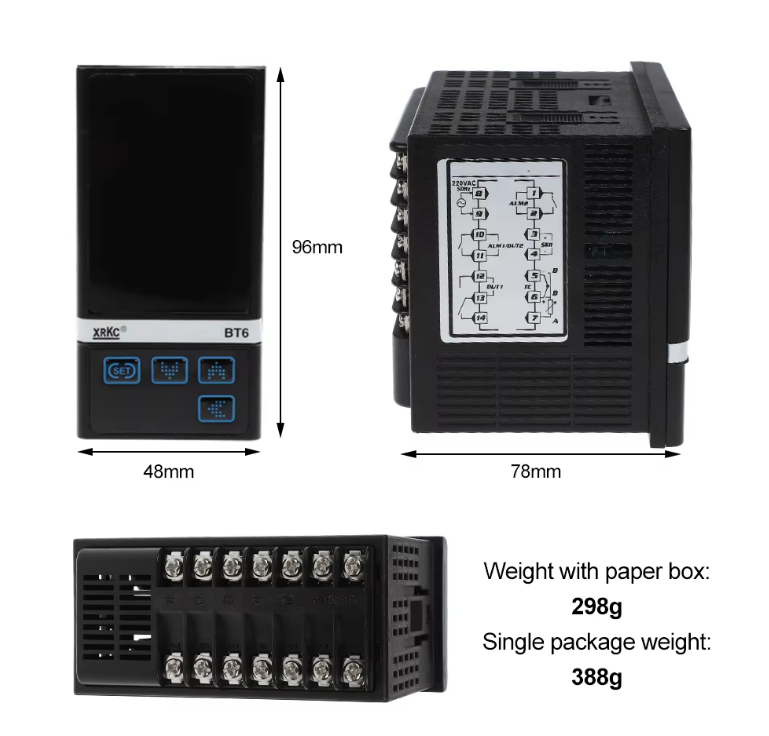
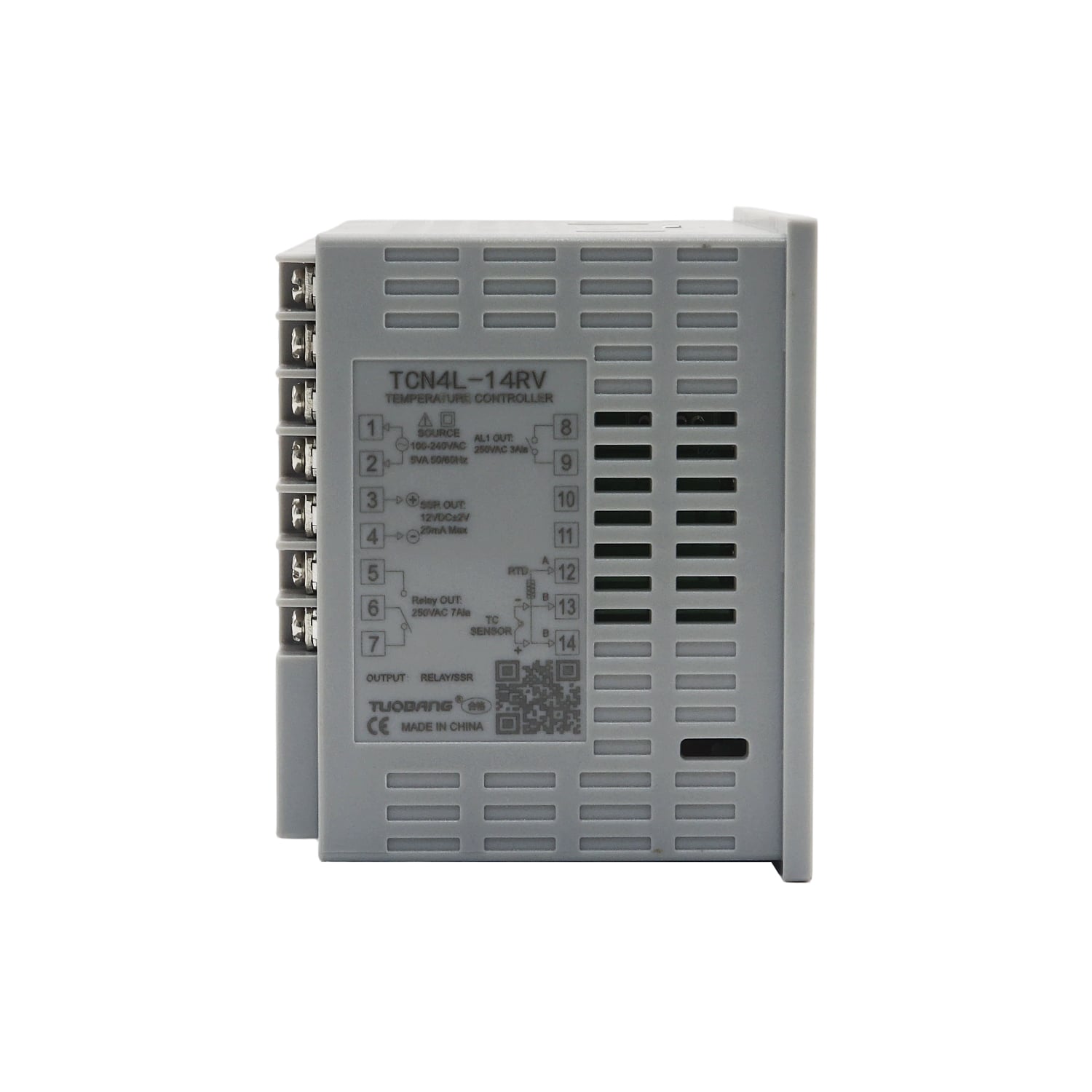
We understand that every industrial application has unique requirements. Therefore, our PID SSR temperature controllers are designed with versatility in mind. They support a wide range of temperature sensors, including K, E, J, T, and PT100 inputs, and offer multiple output options, such as relay, SSR driver, and DC linear outputs. For seamless integration into modern factories, our controllers feature RS485 communication, allowing for networking and remote monitoring through Modbus protocol. Additionally, we provide extensive OEM/ODM services, enabling you to customize the controller's appearance, logo, parameters, and even add specific functions like timer or alarm. This flexibility ensures that the controller fits perfectly into your existing systems and meets your exact operational needs, giving you a competitive edge in your industry.

Related products

The Evolution and Necessity of PID SSR Temperature Controllers in Modern Industry
Temperature control is a critical variable in numerous industrial processes, directly influencing product quality, energy consumption, and equipment lifespan. Traditional electromechanical thermostats often struggle to maintain consistent temperatures due to their simple on/off logic and slow response. This is where PID (Proportional-Integral-Derivative) controllers combined with solid-state relays (SSR) offer a revolutionary solution. PID algorithms continuously calculate the error between the setpoint and the process variable, adjusting the output power proportionally, integrating past errors to eliminate steady-state offset, and predicting future trends to minimize overshoot. When paired with an SSR, which can switch on and off rapidly without mechanical wear, the system achieves a level of precision and reliability unattainable with conventional relays. For instance, in industries such as plastic injection molding, a temperature fluctuation of even a few degrees can result in defective parts, leading to scrap and rework. The implementation of PID SSR controllers ensures that the temperature remains within a tight tolerance, consistently producing high-quality output. Moreover, the use of SSRs reduces the stress on heating elements, extending their operational life and reducing downtime due to heater failures. In large-scale operations, the ability to network multiple controllers via RS485 and monitor them from a centralized supervisory system enables proactive maintenance and optimization of the entire manufacturing process. This not only improves efficiency but also contributes to substantial energy savings. As industries move towards Industry 4.0 and smart factories, the demand for intelligent temperature control solutions like our PID SSR controllers will continue to grow, providing the accuracy, reliability, and connectivity required to stay competitive in the global market.

Frequently Asked Questions

What are the benefits of using a PID SSR temperature controller over traditional thermostats?

PID SSR temperature controllers offer several advantages. First, their PID algorithm provides precise proportional control with minimal overshoot, ensuring stable temperatures even under changing loads. This is in contrast to thermostats which operate on simple on/off cycles, causing temperature swings. Second, the solid-state relay output allows for high-frequency switching without mechanical wear, leading to faster response and longer life. Additionally, SSR controllers are quieter and produce no electrical arcing, making them safer and more reliable. These factors contribute to improved product quality, reduced energy consumption, and lower maintenance costs, making them a superior choice for industrial applications.
Yes, our PID SSR temperature controllers are designed to be highly versatile. They support a wide range of thermocouples, including types K, E, J, T, as well as RTD sensors like PT100. The user can easily select the appropriate sensor type through the front panel or software configuration. This flexibility ensures that you can use the most suitable sensor for your application, whether it's for high-temperature furnaces or low-temperature refrigeration processes. If you have special requirements, we also offer customization to accommodate other sensor types.
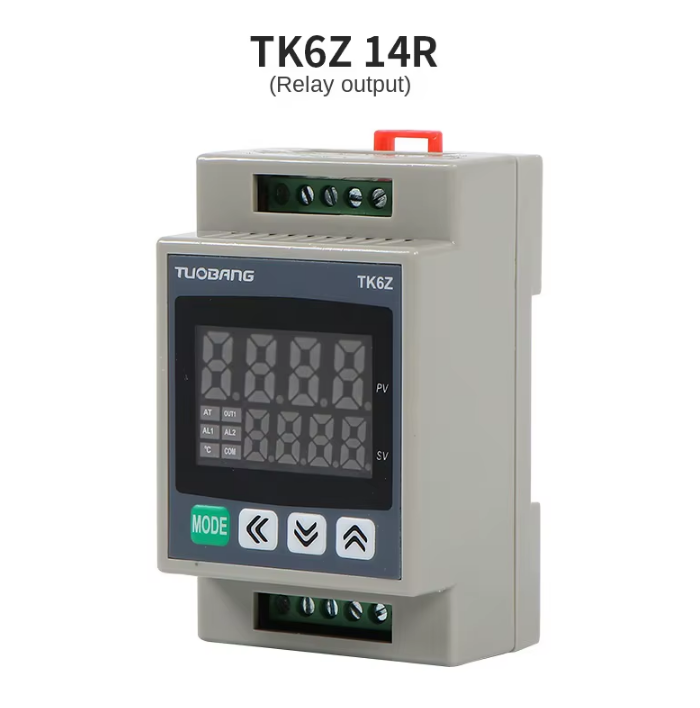
The solid-state relay (SSR) output provides rapid switching without any mechanical parts. This is essential for applications requiring frequent on/off cycles, such as pulse-width modulation (PWM) for precise temperature control. The SSR can switch within milliseconds, allowing for fine-tuned power delivery to the heater. Unlike mechanical relays, SSRs do not suffer from contact wear, arcing, or sticking, which means they have a much longer operational life and require minimal maintenance. This leads to higher reliability, reduced downtime, and lower operational costs in the long run.
Absolutely. Many of our PID SSR temperature controllers come equipped with RS485 communication supporting the Modbus protocol. This allows you to connect up to 247 devices on a single bus and monitor/configure them from a central computer or PLC. Through this network, you can easily log temperature data, set alarms, and adjust setpoints remotely. This capability is especially valuable in large production facilities where multiple zones need to be controlled and monitored, providing full visibility and control over your processes.
Our PID SSR temperature controllers are manufactured under strict quality control measures and have obtained CE certification, ensuring they meet European safety, health, and environmental protection standards. We also hold various patents related to our designs and manufacturing processes. Each unit undergoes rigorous testing before shipment to guarantee accuracy, reliability, and durability. Additionally, our factory is ISO9001 certified, reflecting our commitment to consistent quality management. If your market requires other certifications, we can work with you to ensure compliance.

Related article

What is a PID temperature controller and how does it achieve precise control?

15

Jul

What is a PID temperature controller and how does it achieve precise control?

The Feedback Loop That Runs Modern Industry Walk into any processing plant—chemical, pharmaceutical, food, or semiconductor—and chances are high that somewhere on the control panel, a PID temperature controller is quietly doing its job. T...
View More
Advantages of using a PID temperature controller in food and beverage processing.

20

Jul

Advantages of using a PID temperature controller in food and beverage processing.

When Precision Is Not Optional Food and beverage manufacturing runs on temperature. From pasteurization to frying, baking to fermentation, the difference between a premium product and a reject pile often comes down to a few degrees. Thermal processin...
View More
What industries benefit most from using a PID temperature controller?

27

Jul

What industries benefit most from using a PID temperature controller?

More Than a Component—A Critical Enabler Walk through almost any modern production facility, and the chances of spotting a PID temperature controller on a panel are remarkably high. These devices have become so embedded in industrial infrastruc...
View More
How does a PID temperature controller eliminate temperature overshoot?

07

Aug

How does a PID temperature controller eliminate temperature overshoot?

The Overshoot Problem Nobody Talks About Temperature overshoot isn't just a nuisance—it's a process killer. In heat treatment, overshooting the target temperature by even a few degrees can alter the metallurgical properties of a component, comp...
View More

Reviews

Markus Weber

We integrated Suosite's PID SSR temperature controllers into our injection molding machines to replace outdated thermostats. The improvement was immediate. The temperature now remains stable within ±0.1°C, resulting in a significant reduction in product defects. The SSR output is so fast that heating cycles are optimized, saving us about 15% on energy costs. The units are also very user-friendly, with a clear display and simple programming. We've been running them 24/7 for over a year with no hiccups. Incredible value for money.

Sarah Chen

As an equipment manufacturer, we needed a temperature controller that could be tailored to our specifications. Suosite provided excellent OEM service, customizing the front panel, adding a specific alarm function, and even adjusting the PID algorithm to suit our fast-cycling process. The communication via Modbus was seamless, integrating perfectly with our existing PLC. The controllers have been in operation for six months and have proven highly reliable. The team's technical support is outstanding, always available to assist.

Get a Free Quote

Our representative will contact you soon.
Email
Name
Company Name
Message
0/1000
Advanced PID Algorithm for Unmatched Accuracy

Advanced PID Algorithm for Unmatched Accuracy

At the heart of our controller lies a sophisticated PID algorithm that has been refined through years of research and field experience. This algorithm ensures that the system quickly reaches the setpoint without overshooting and maintains it precisely, even when external conditions change. The controller auto-tunes itself to the specific thermal characteristics of your process, eliminating the need for manual tuning. This results in consistent temperature control that directly translates into higher product quality and reduced scrap rates. With our PID SSR controller, you can achieve temperature stability of ±0.1°C or better, a level of precision that is critical in high-tech industries like semiconductor manufacturing and laboratory equipment.
SSR Integration for Long-Term Reliability and Safety

SSR Integration for Long-Term Reliability and Safety

Our use of solid-state relays (SSR) is a key differentiator. SSRs have no moving parts, which means they do not suffer from mechanical wear or contact bounce. This eliminates the risk of arcing, sparking, and electrical noise that can occur with traditional mechanical relays. Additionally, SSRs switch faster and more precisely, providing a smoother control output. This not only extends the life of your heating elements but also reduces the risk of electrical disturbances that can affect other equipment. By choosing a PID SSR controller, you invest in a solution that is not only more reliable but also safer for your environment and personnel.
Comprehensive Connectivity and Data Logging Features

Comprehensive Connectivity and Data Logging Features

In today's interconnected industrial landscape, the ability to monitor and control equipment remotely is a significant advantage. Our controllers come with optional RS485 communication and MODBUS protocol, allowing for easy integration into SCADA systems or data acquisition platforms. This enables real-time monitoring of temperature trends, setpoint changes, and alarm notifications from a central location. You can also export historical data for analysis, which is invaluable for process optimization and quality traceability. Furthermore, our controllers can be configured to send alerts via built-in relay alarms when temperature exceeds limits, ensuring timely intervention. This level of connectivity ensures that you are always in control, even when you are not on the factory floor.
Newsletter
Please Leave A Message With Us