Single Loop PID Controller | High-Precision Temp Control

All Categories

Single Loop PID Controller | Precision Temperature Control | Suosite

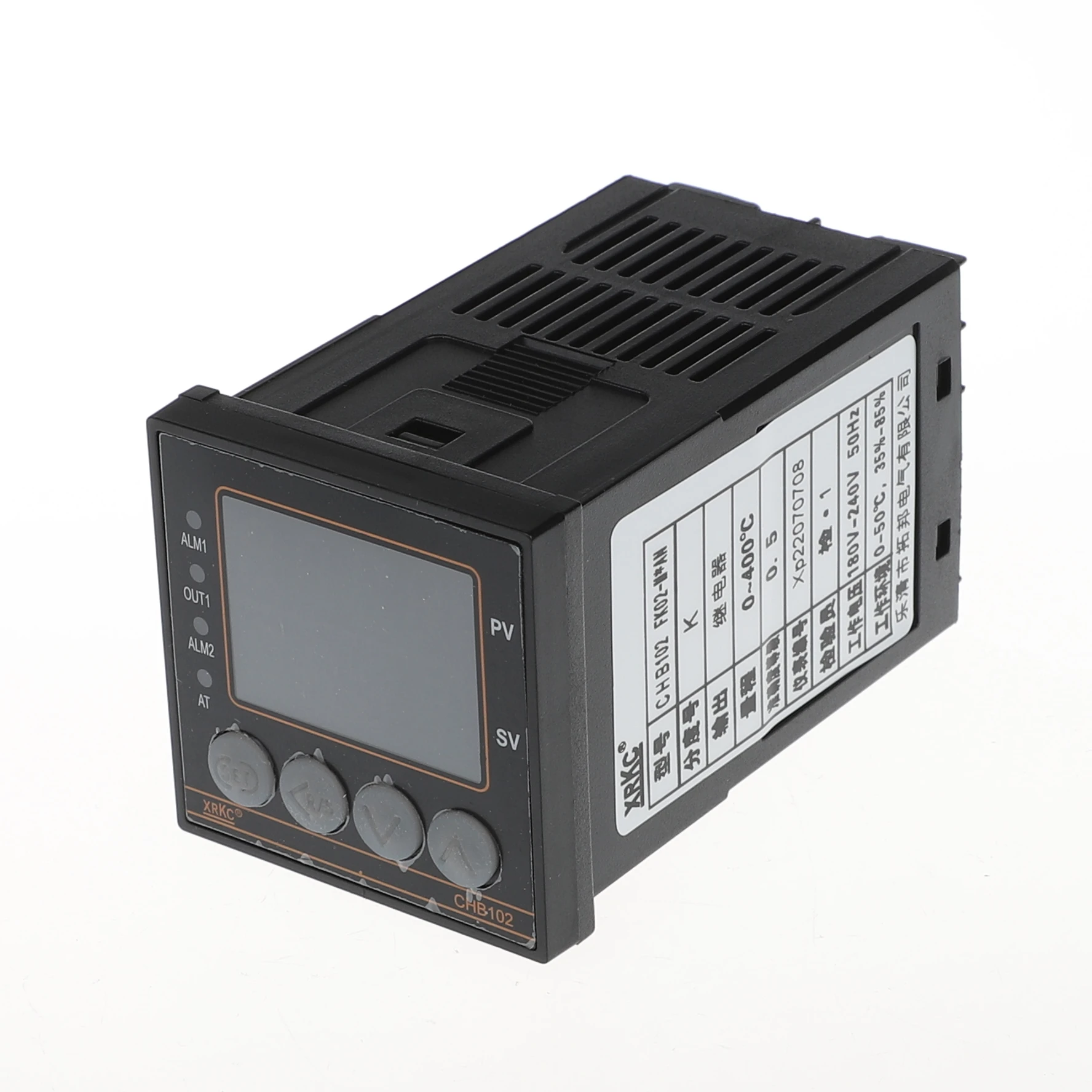
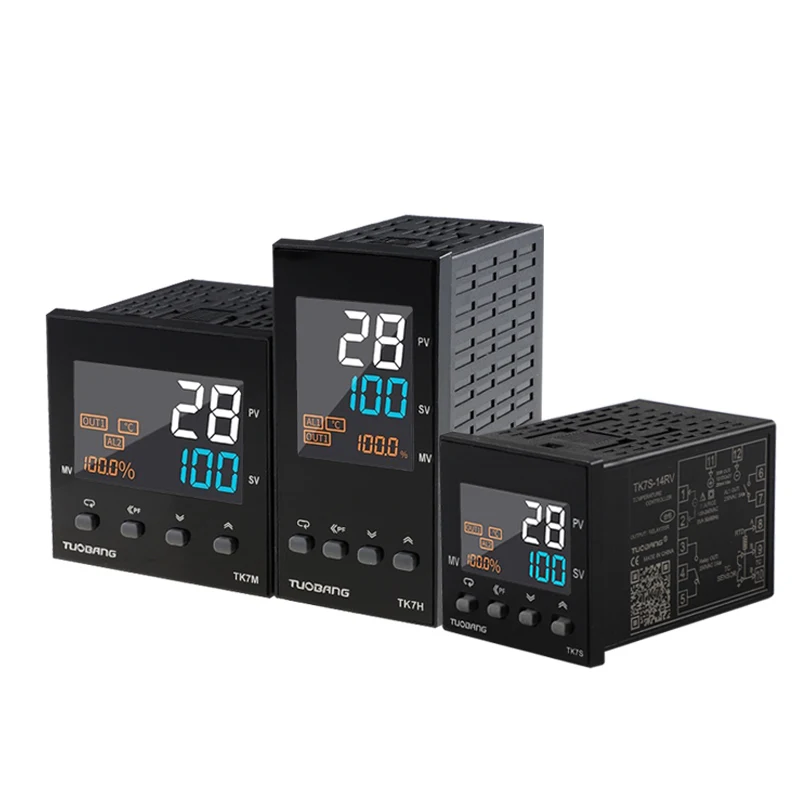
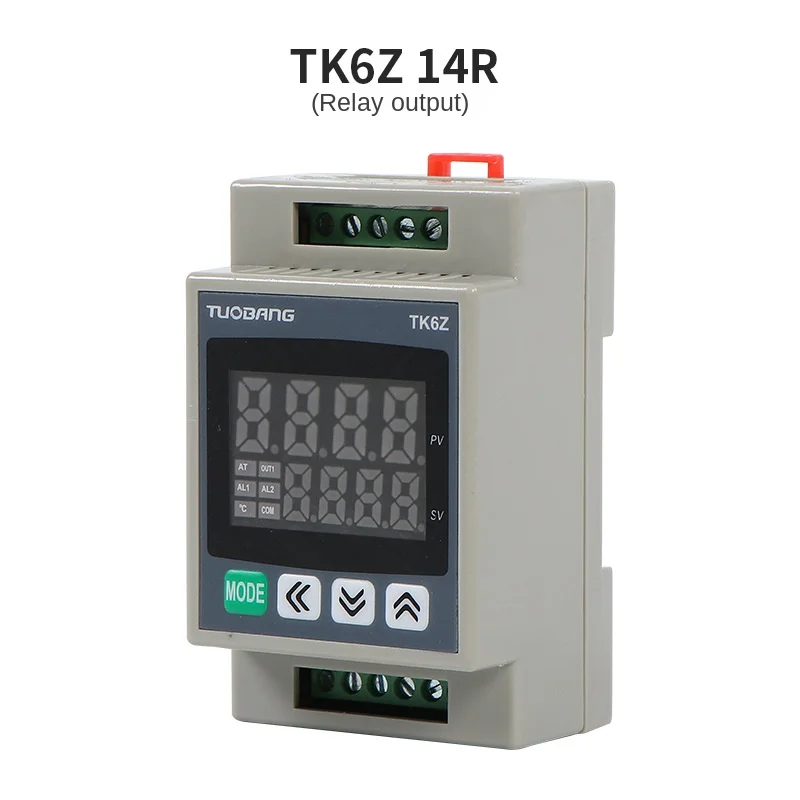
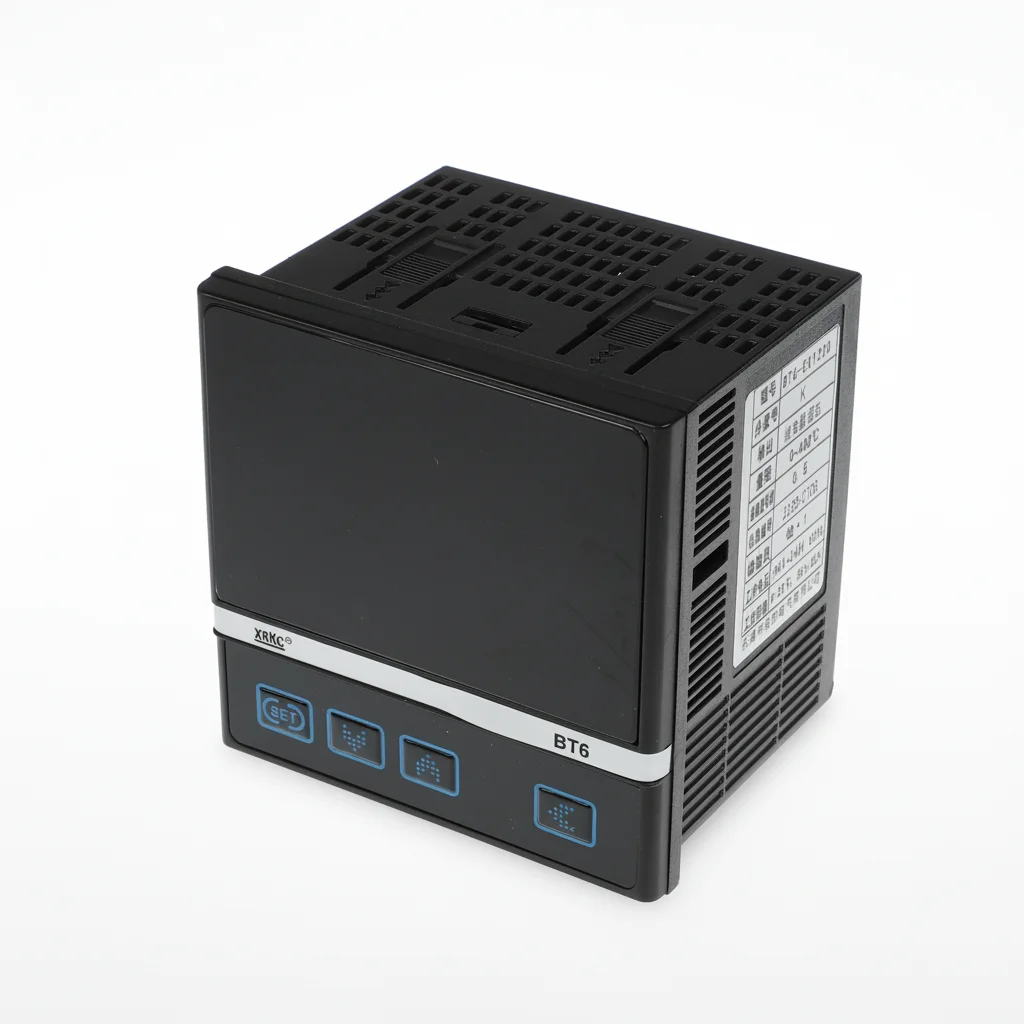
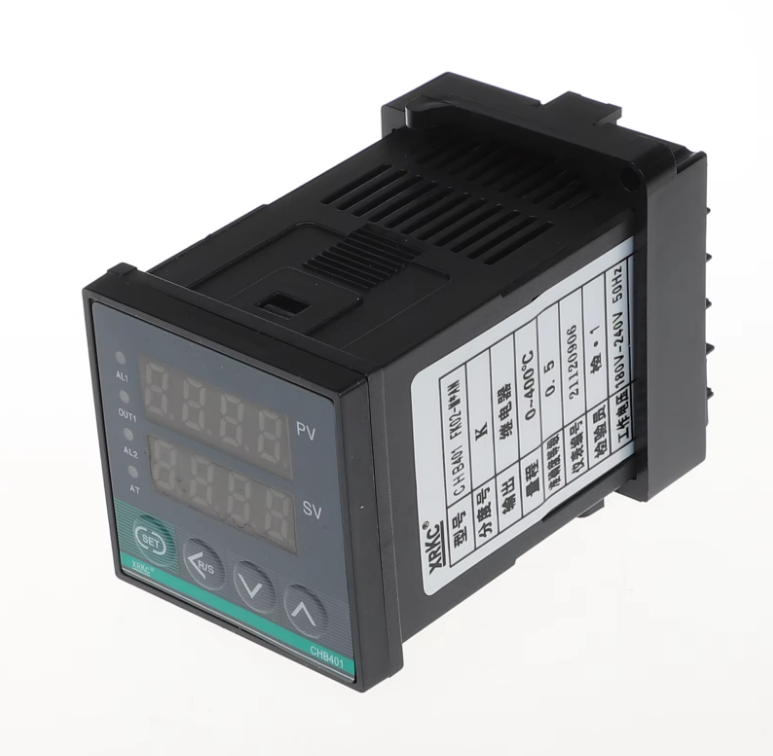
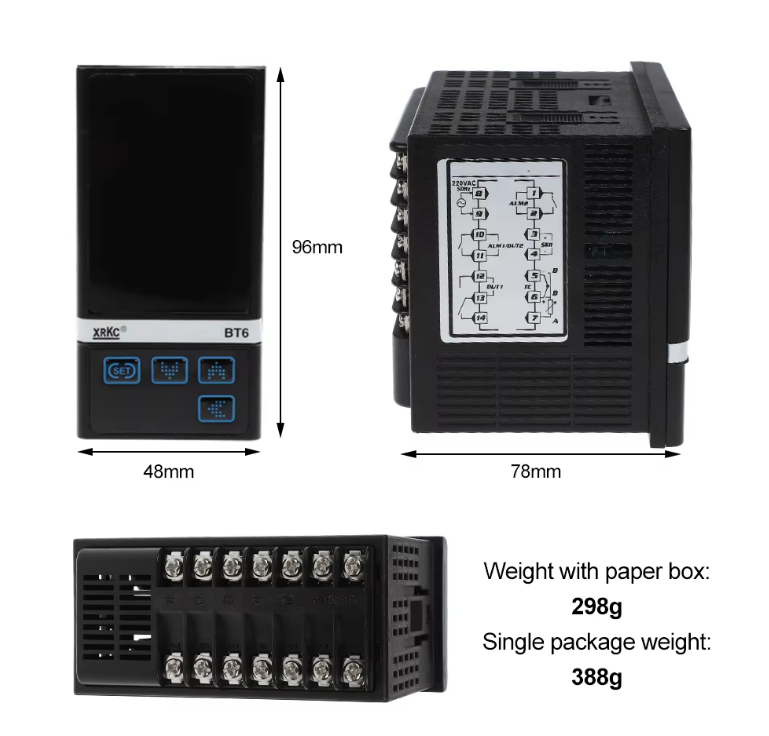
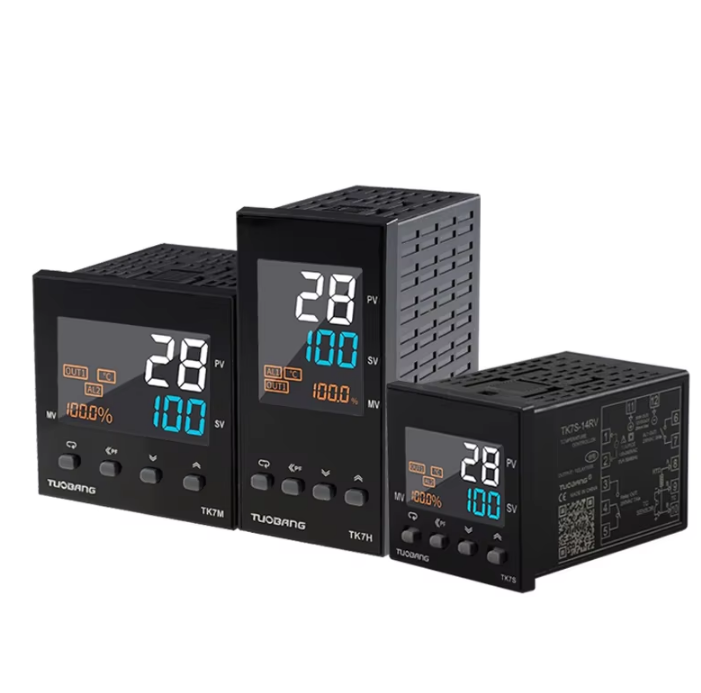
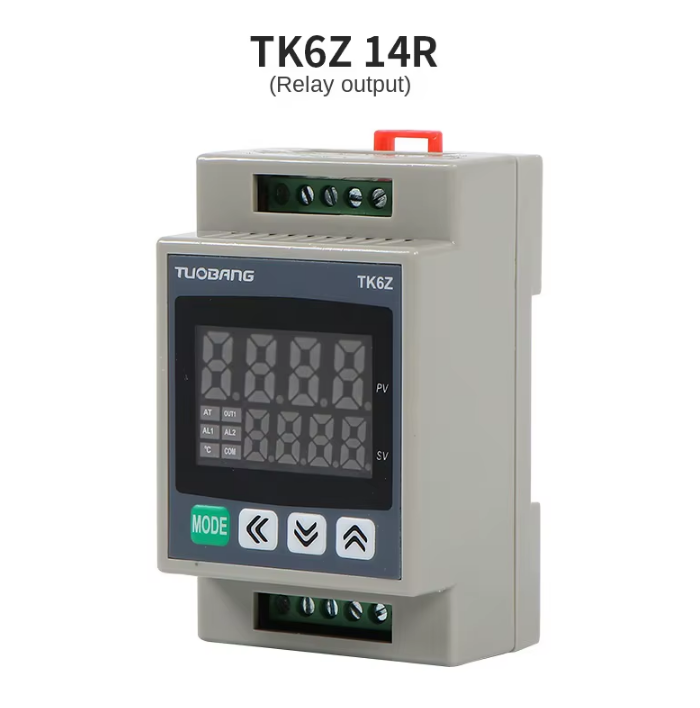
The Single Loop PID Controller from Zhejiang Suosite Electrical Technology Co., Ltd. is a state-of-the-art solution designed for industries requiring precise temperature management. As a national high-tech enterprise, Suosite integrates advanced research, development, and manufacturing capabilities to deliver controllers that ensure optimal performance in diverse applications such as plastic molding, packaging machinery, and industrial dryers. Our single loop PID controllers feature intuitive interfaces, robust construction, and support for multiple sensor inputs including thermocouples (K, E, J, T), RTDs (PT100), and linear current/voltage signals. With precision accuracy up to 0.1% of span, auto-tuning functionality, and programmable alarm outputs, these controllers optimize process efficiency and reduce energy consumption. Whether you require standard models or OEM/ODM customization, our products meet CE and CCC certifications, ensuring reliability and safety.
Get A Quote

Case Study

High Precision and Stability

Our single loop PID controllers deliver exceptional temperature accuracy with a resolution of 0.1°C and control stability of ±0.2% of full scale. The advanced PID algorithm ensures minimal overshoot and quick settling time, which is critical for processes like plastic extrusion and heat treatment. The controllers are equipped with a sampling rate of 10 Hz and a 16-bit ADC, allowing real-time adjustments that maintain consistent quality. This precision reduces material waste and energy usage, providing a rapid return on investment for your operations. With auto-tuning capability, the controller automatically optimizes PID parameters to match your specific process, ensuring reliable performance without manual intervention. Whether you’re controlling a plastic injection molding machine or a packaging heat sealer, our single loop PID controllers guarantee superior performance.

Versatile Input and Output Options

Our controllers support a wide range of sensor inputs, including thermocouples (K, J, E, T, S), RTDs (PT100), and linear current/voltage signals (0-20mA, 0-10V). This flexibility makes them compatible with various industrial sensors, ensuring you can integrate them into existing systems effortlessly. The output options are equally diverse: relay, SSR drive, 4-20mA analog output, and RS485 Modbus communication. The dual-output models allow for simultaneous heating and cooling control, essential for processes requiring tight thermal cycling. Additionally, the RS485 interface enables seamless integration into your SCADA or PLC network, facilitating data logging and remote monitoring. This versatility ensures that our single loop PID controllers can adapt to any application, from simple ovens to complex multi-zone furnaces.

User-Friendly Design and Customization

Our single loop PID controllers feature a bright LED display and a clear, tactile keypad that simplifies programming and operation. The intuitive menu structure allows for quick setup, while the built-in timer and ramp/soak functions enable sophisticated control profiles. For OEMs, we offer extensive customization: you can choose the color scheme, logo, and specific control parameters to match your brand requirements. Our engineers provide technical support to help you select the right model for your application and offer guidance on installation and configuration. This user-centric approach ensures a short learning curve for operators, reducing training time and operational errors. Moreover, our controllers are built to withstand harsh industrial environments, rated for temperatures from -10°C to 50°C and humidity up to 90% non-condensing, ensuring reliable operation in demanding settings.

Related products

A single loop PID controller is an essential component in industrial automation, providing precise control of variables such as temperature, pressure, or flow. The PID (Proportional-Integral-Derivative) algorithm is the industry standard for closed-loop control, offering a balance between responsiveness and stability. In temperature control, this algorithm ensures that the process reaches the setpoint quickly without overshooting, which is crucial for maintaining product quality and preventing damage to equipment. Suosite’s single loop PID controllers are designed to meet the needs of diverse industries, from food processing to semiconductor manufacturing. They offer features such as self-tuning, which automatically adjusts PID coefficients to match the process dynamics, eliminating the need for manual tuning. This is particularly beneficial for processes that operate under varying conditions, as it continuously optimizes performance. Additionally, our controllers support multiple alarm functions, including absolute, deviation, and regenerative alarms, which protect against faults and ensure safety. With the integration of RS485 communication, data can be monitored and recorded in real-time, enabling predictive maintenance and process optimization. The controllers are housed in durable, fire-resistant ABS plastic, suitable for panel mounting in control cabinets. They operate on 100-240VAC or 24VDC power, making them versatile for global installations. Our rigorous quality control procedures, including 100% burn-in testing, guarantee that each unit meets our high standards. As a company with over a decade of experience, we understand the challenges of industrial process control and are committed to providing solutions that enhance efficiency, quality, and profitability.

Frequently Asked Questions

What is a single loop PID controller and how does it work?

A single loop PID controller is a device that controls one process variable (e.g., temperature) using a closed-loop feedback mechanism. It continuously compares the measured value with the setpoint and calculates the error. The PID algorithm adjusts the output (e.g., heater power) to minimize the error. The proportional term (P) responds to the current error, the integral term (I) accumulates past errors to eliminate steady-state offset, and the derivative term (D) predicts future errors to dampen overshoot. Our controllers implement this algorithm with high precision, ensuring accurate and stable control. They accept inputs from thermocouples, RTDs, or linear signals and provide outputs like relay, SSR drive, or analog signals. For example, if the temperature drops below the setpoint, the controller increases the heating output; as it approaches the setpoint, the output is reduced proportionally. This cycle runs continuously, maintaining the desired process condition.
Yes, absolutely. Suosite offers OEM/ODM customization services. We can modify the controller’s firmware to suit your specific process requirements, such as custom linearization curves, special alarm logic, or unique control algorithms. We also allow customization of the hardware, including the enclosure color, logo printing, and connector types. If you need a controller with a particular temperature range, input type, or output configuration, our engineering team can work with you to design a solution that fits seamlessly into your system. We have extensive experience in adapting our standard products for various industries, ensuring that you receive a controller optimized for your application without the high cost of a fully custom design. Contact us with your specifications, and we’ll provide a quick and cost-effective solution.
A single loop PID controller manages one control loop, meaning it controls one process variable using one sensor and one output. It is ideal for applications where only one parameter needs to be controlled, such as temperature in a single-zone oven. Multi-loop controllers, on the other hand, can handle multiple independent loops simultaneously, each with its own sensor and output. These are used in processes with multiple zones, such as extrusion lines where different sections need independent temperature control. While multi-loop controllers offer higher integration and can be more cost-effective for many zones, single loop controllers are simpler to set up and troubleshoot, and they provide inherent isolation between loops. For straightforward applications, single loop controllers are often preferred due to their ease of use and lower initial cost. Our single loop controllers provide the necessary features for most temperature control tasks, and we also offer multi-loop solutions if
Our single loop PID controllers come pre-calibrated from the factory, but you can perform a field calibration using the front panel keys. The calibration process involves adjusting the input offset and scale to ensure accurate readings. Steps typically include setting the sensor type, entering the two-point calibration menu, applying known reference values, and adjusting the displayed values to match. For precise calibration, you can use our PC-based software, which allows USB connection and guided calibration. We recommend annual calibration checks to maintain accuracy. If you encounter any issues, our technical support team is available to assist you. The controller’s calibration parameters are stored in non-volatile memory, so they remain intact even after power cycles. This feature ensures that your controller continues to perform accurately over time.
The single loop PID controller requires minimal maintenance due to its solid-state design. However, to ensure long-term reliability, we recommend: 1) Keep the controller clean and free from dust, which could block ventilation and cause overheating. 2) Check the wiring connections periodically to prevent loose connections. 3) Verify that the sensor is properly placed and not damaged. 4) Test the output devices (relay, SSR) to ensure they are functioning correctly. 5) Calibrate the controller annually or when you suspect drift. If the controller is used in a harsh environment, consider installing a protective cover. Our controllers are designed for a service life of up to 15 years under normal conditions. In case of any malfunction, the diagnostic LED indicators help identify common issues like sensor break or output overload. Should you need assistance, our support team provides remote troubleshooting and replacement parts if necessary.

Related article

What is a PID temperature controller and how does it achieve precise control?

15

Jul

What is a PID temperature controller and how does it achieve precise control?

The Feedback Loop That Runs Modern Industry Walk into any processing plant—chemical, pharmaceutical, food, or semiconductor—and chances are high that somewhere on the control panel, a PID temperature controller is quietly doing its job. T...
View More
Advantages of using a PID temperature controller in food and beverage processing.

20

Jul

Advantages of using a PID temperature controller in food and beverage processing.

When Precision Is Not Optional Food and beverage manufacturing runs on temperature. From pasteurization to frying, baking to fermentation, the difference between a premium product and a reject pile often comes down to a few degrees. Thermal processin...
View More
What industries benefit most from using a PID temperature controller?

27

Jul

What industries benefit most from using a PID temperature controller?

More Than a Component—A Critical Enabler Walk through almost any modern production facility, and the chances of spotting a PID temperature controller on a panel are remarkably high. These devices have become so embedded in industrial infrastruc...
View More
How does a PID temperature controller eliminate temperature overshoot?

07

Aug

How does a PID temperature controller eliminate temperature overshoot?

The Overshoot Problem Nobody Talks About Temperature overshoot isn't just a nuisance—it's a process killer. In heat treatment, overshooting the target temperature by even a few degrees can alter the metallurgical properties of a component, comp...
View More

Reviews

Michel Laurent

Our factory has been using Suosite’s single loop PID controllers for over two years in our plastic injection molding lines. The precision is outstanding, with temperature stability within ±0.5°C, which has significantly reduced scrap rates and improved product consistency. The auto-tuning feature is incredibly convenient, saving us time on initial setup. What impressed us most is the technical support – their team is always quick to respond and helped us customize the controller to integrate with our existing PLC system via RS485. The build quality is robust, and the controllers have operated flawlessly without a single failure. I highly recommend Suosite for any industrial heating application.

Sarah Chen

We switched to Suosite’s single loop PID controllers for our packaging machinery after experiencing issues with previous suppliers. The price point is very competitive, yet the quality exceeds our expectations. The controllers are easy to program, and the LED display is clear and intuitive. The dual output feature for heating and cooling is perfect for our shrink wrap machines. We also appreciate the fast delivery – we received our order within a week. The CE certification gave us confidence in the safety and compliance. Our maintenance team finds them simple to replace if needed, and the after-sales service is excellent. We have now standardized on Suosite for all our temperature control needs.

Get a Free Quote

Our representative will contact you soon.
Email
Name
Company Name
Message
0/1000
Advanced Auto-Tuning and Adaptive Control

Advanced Auto-Tuning and Adaptive Control

Our single loop PID controllers feature a superior auto-tuning algorithm that automatically determines the optimal PID parameters for your specific process. Unlike conventional autotune, which uses a relay cycling method that can cause large process swings, our approach uses a step response method that minimizes disruption. The controller then continuously monitors the process and can adapt to changes, such as load variations or conductance changes, ensuring consistent performance. This is particularly valuable in processes where the thermal characteristics change over time, such as with heating elements that degrade. The result is a controller that requires minimal human intervention and delivers optimal control from startup through steady-state operation. By implementing advanced control, we help you achieve better product quality and energy efficiency.
Robust Communication and Integration Capabilities

Robust Communication and Integration Capabilities

All our single loop PID controllers come with optional RS485 communication, enabling seamless integration into industrial networks. They support Modbus RTU protocol, which is widely used in automation systems. This allows you to monitor and control the controller remotely from a central computer, collect data for analysis, and integrate with SCADA or MES systems. The communication interface is electrically isolated to prevent interference, ensuring reliable data transmission. For advanced applications, we offer MODBUS register mapping that is compatible with major PLC brands. Additionally, our controllers can be daisy-chained, simplifying wiring. With such powerful communication features, our controllers not only serve as standalone control devices but also become an integral part of your Industry 4.0 infrastructure, offering data-driven insights and improving operational efficiency.
Unmatched Build Quality and Longevity

Unmatched Build Quality and Longevity

Suosite uses high-grade components and rigorous testing to ensure our single loop PID controllers deliver long, dependable service. The front panel is rated IP65, protecting against dust and water jets, making it suitable for washdown environments. The housing is made of flame-retardant ABS plastic that can withstand temperatures up to 100°C. The controllers are subjected to burn-in testing at 50°C for 48 hours to identify any early failures. We also perform electrical fast transient tests and surge immunity tests to ensure they meet EMC standards. With a mean time between failures (MTBF) exceeding 100,000 hours, you can rely on our controllers for years of uninterrupted operation. This reliability minimizes downtime and maintenance costs, making our controllers a smart investment for your business.
Newsletter
Please Leave A Message With Us