PID Thermostat for Industrial Control | ±0.1°C Accuracy & RS485

All Categories

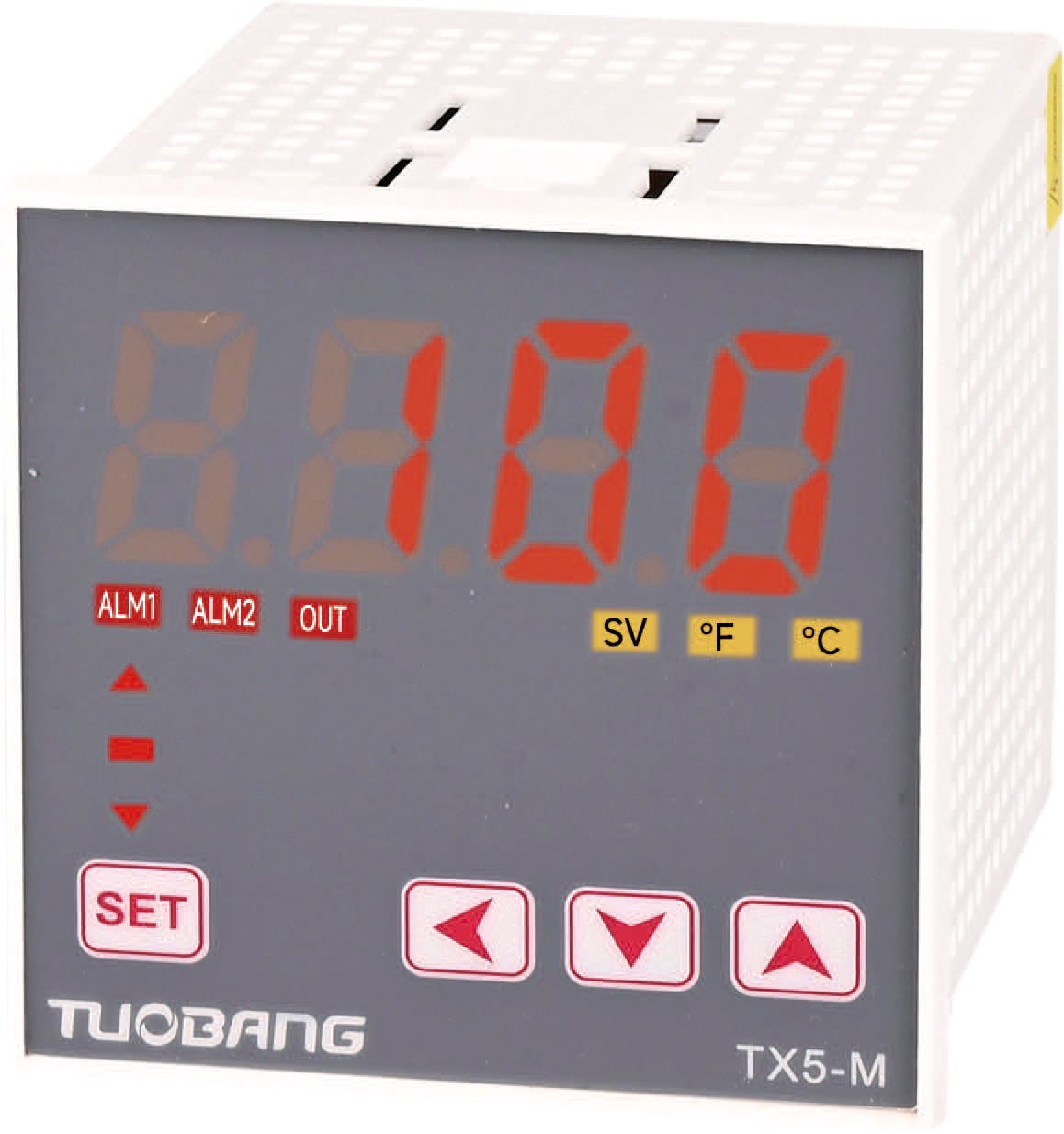
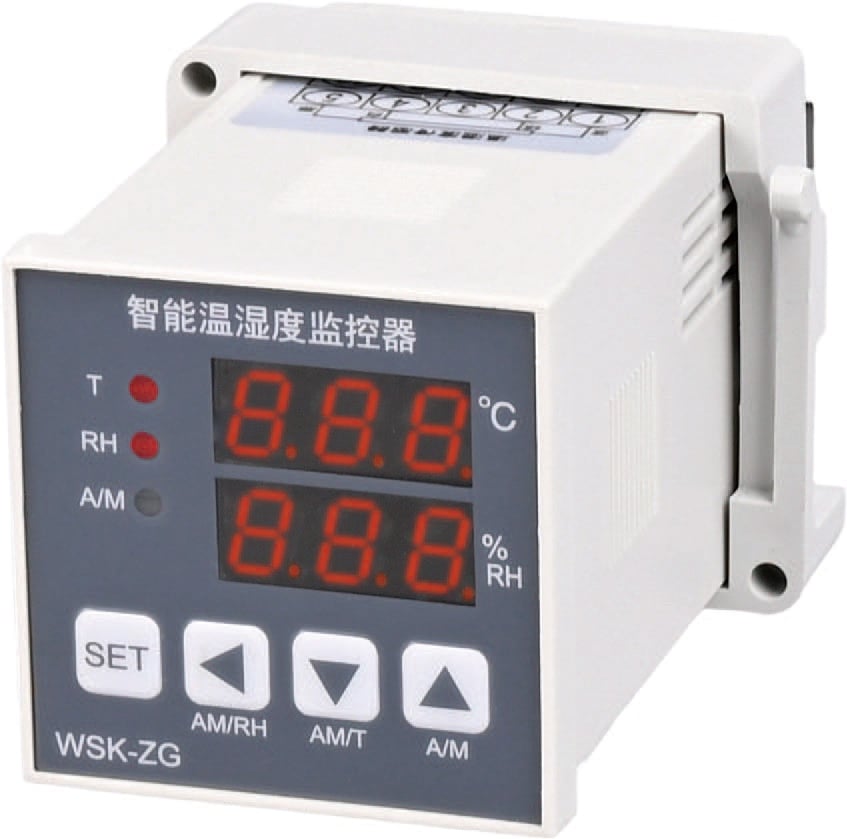
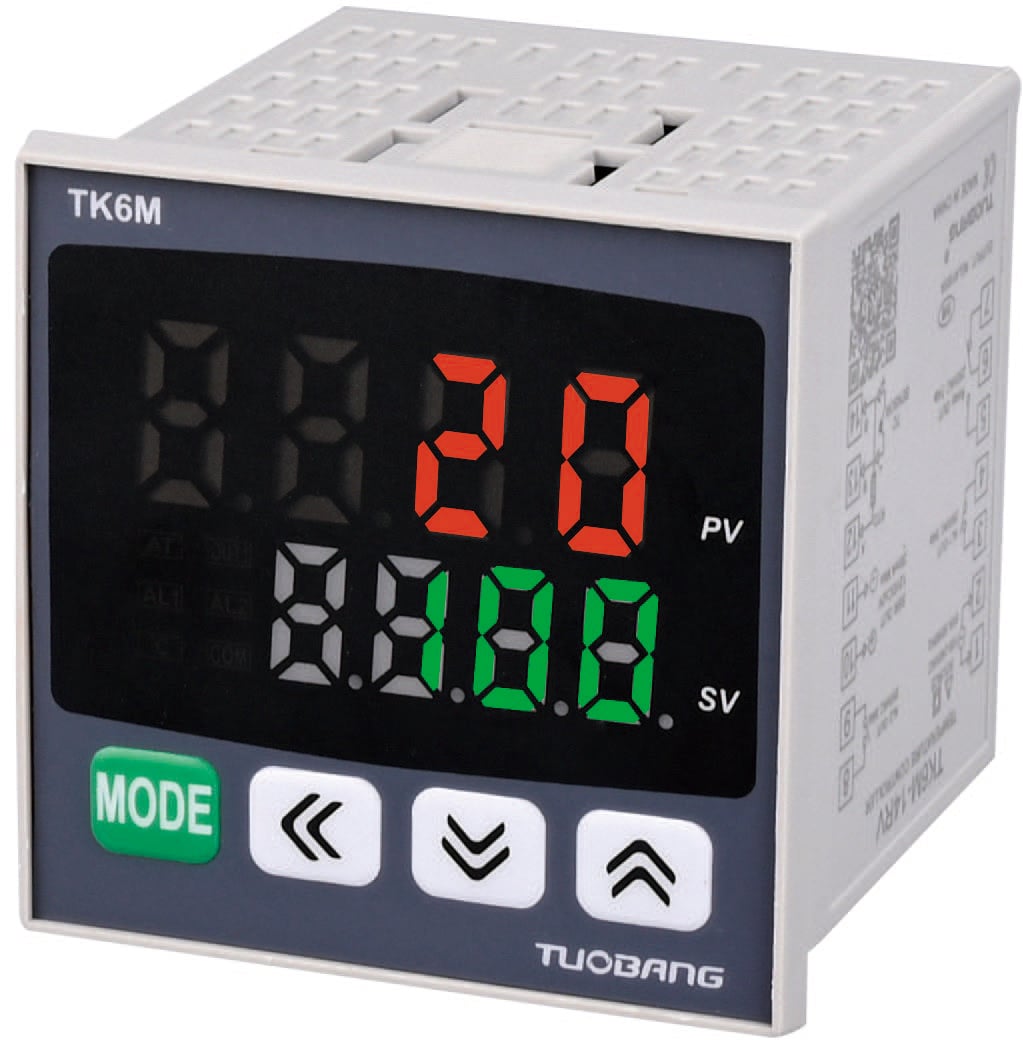
Advanced PID Thermostat Solutions for Industrial Precision Temperature Control

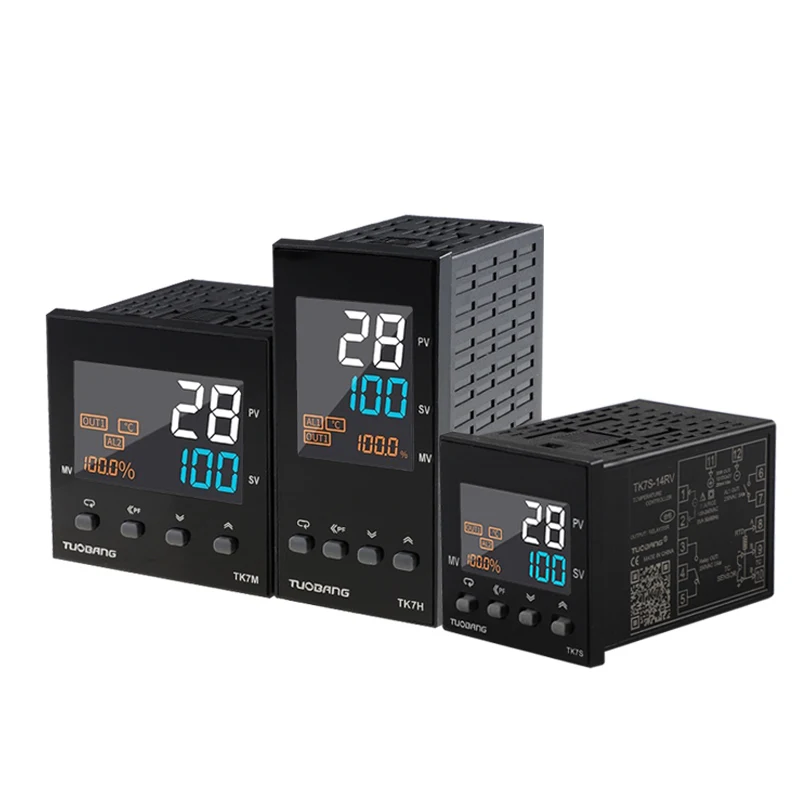
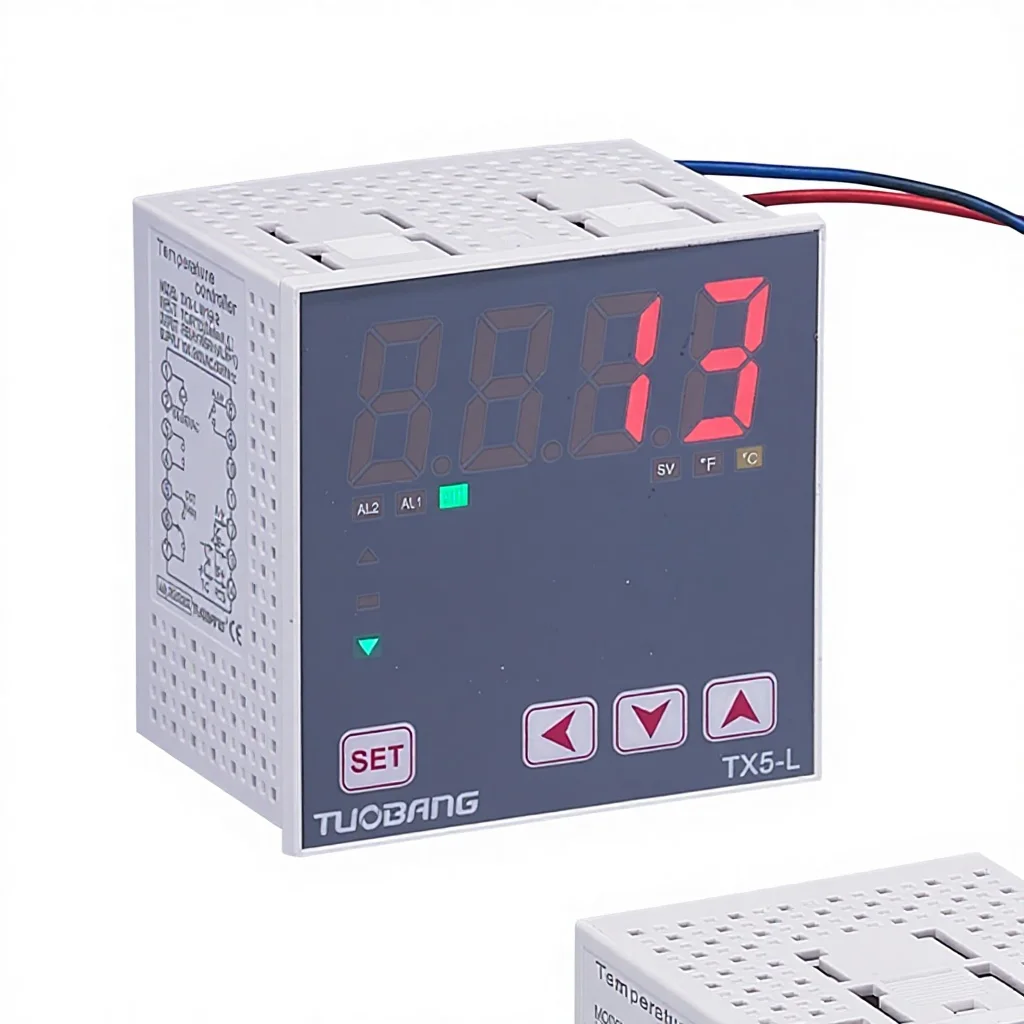
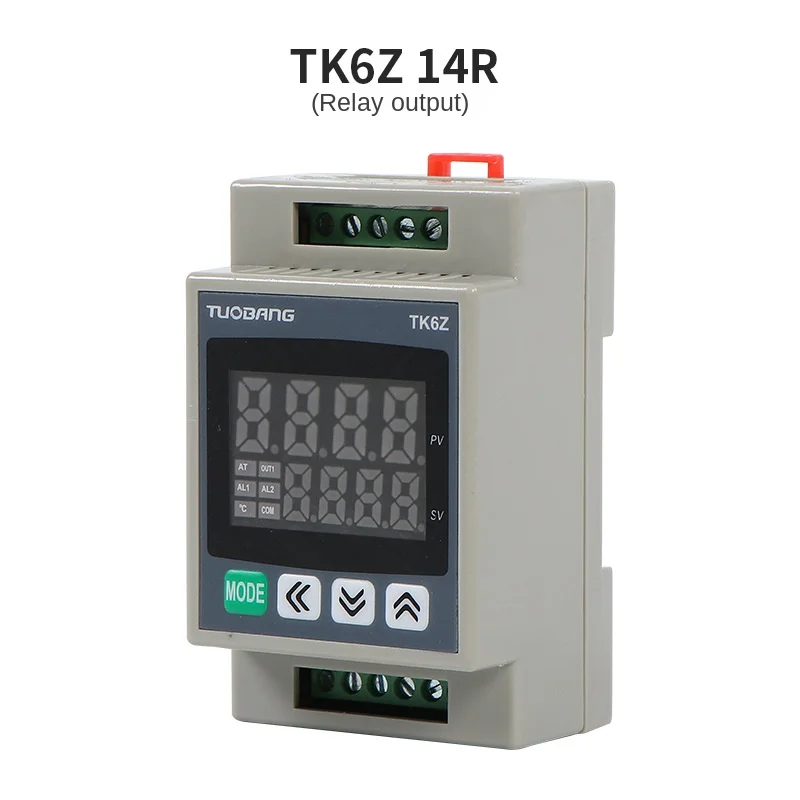
Discover Zhejiang Suosite Electrical Technology Co., Ltd.'s premium range of PID thermostats engineered for industrial automation and precise temperature management. As a national high-tech enterprise, we specialize in temperature measurement and control instruments, offering advanced PID thermostat models with features like RS485 communication, dual outputs, and customizable OEM/ODM services. Our PID thermostats are CE certified, built with high-quality materials, and designed to meet the rigorous demands of packaging, plastic molding, and hot stamping industries. With over 10 years of R&D expertise, our factory produces 800,000 units annually, ensuring reliable supply and consistent quality. Whether you need a compact DIN-rail thermostat or a multi-function touch screen controller, our PID thermostat solutions deliver accuracy, durability, and efficiency to optimize your processes and reduce energy costs.
Get A Quote

Case Study

Superior Accuracy with Advanced PID Algorithm

Our PID thermostats utilize a sophisticated proportional-integral-derivative algorithm that ensures precise temperature control with minimal overshoot and rapid response. This advanced technology maintains temperature stability within ±0.1°C, critical for applications like plastic molding and laboratory testing where even slight deviations can compromise product quality. The auto-tuning function simplifies setup, allowing operators to achieve optimal performance quickly without manual intervention. Our thermostats also feature dual output channels for simultaneous heating and cooling control, providing flexible and efficient thermal management. With this level of accuracy, you can reduce material waste, enhance production consistency, and ensure that every batch meets strict quality standards. Trust our PID thermostat to deliver reliable performance, even in dynamic thermal environments, making it the ideal choice for industries that demand precision and reliability.

Robust Communication and Integration Capabilities

Stay ahead with our PID thermostats equipped with RS485 Modbus communication, allowing seamless integration into your existing automation systems. This feature enables remote monitoring, data logging, and centralized control, giving you real-time visibility into your processes. Whether you manage a single machine or an entire plant, our thermostats can be easily connected to PLCs, SCADA systems, or industrial PCs, enabling streamlined operations and enhanced productivity. The inclusion of multiple input types (thermocouple, RTD, etc.) and configurable outputs ensures compatibility with a wide range of sensors and actuators. Additionally, we offer customizable software protocols to meet unique customer needs, making integration effortless. With these connectivity options, you can improve operational efficiency, reduce downtime, and facilitate predictive maintenance, ultimately lowering your total cost of ownership.

Exceptional Durability and Extended Lifespan

Engineered for harsh industrial environments, our PID thermostats are built with robust ABS or aluminum housings that resist impact, dust, and moisture. They operate reliably in temperatures ranging from -10°C to 55°C and feature a high ingress protection rating, ensuring consistent performance even in dusty or humid conditions. The internal components are selected for long-term stability, and each unit undergoes rigorous testing to withstand vibration and thermal stress. With a mean time between failures (MTBF) exceeding 50,000 hours, our thermostats offer dependable service, reducing unexpected breakdowns and maintenance costs. We also provide comprehensive after-sales support, including a 1-year warranty and technical assistance from our expert team. Choose our PID thermostat for a long-lasting solution that stands up to the toughest applications and delivers value over many years.

Related products

PID thermostats play a pivotal role in modern industrial automation, ensuring precise temperature regulation crucial for product quality and energy efficiency. Unlike simple on/off controllers, PID (Proportional-Integral-Derivative) thermostats continuously calculate the error between a measured value and a setpoint, then adjust the output to minimize overshoot and reduce oscillations. This advanced control mechanism achieves tight temperature stability, often within ±0.1°C, which is vital in sectors like plastics, chemicals, and food processing. The proportional term provides immediate response, the integral term eliminates steady-state error, and the derivative term predicts future errors, resulting in optimal performance. Zhejiang Suosite's PID thermostats incorporate these principles with decades of engineering expertise. They feature adaptive auto-tuning, allowing the controller to learn process characteristics and set optimal PID parameters automatically, saving time and reducing manual tuning errors. Additionally, our thermostats offer programmable setpoint profiles, enabling complex temperature ramps and soaks essential for processes like heat treating or annealing. With multiple alarm functions, remote control via RS485, and data logging capabilities, our PID thermostats empower operators with full process visibility and control. By integrating our PID thermostats, you can achieve higher throughput, lower energy consumption, and reduced waste—essentials for staying competitive in the global market. Our commitment to quality is evident through CE certification and rigorous factory testing, ensuring each unit performs flawlessly in your demanding applications.

Frequently Asked Questions

What is a PID thermostat and how does it work?

A PID thermostat uses a proportional-integral-derivative algorithm to maintain a process variable (usually temperature) at a desired setpoint. It calculates the error between setpoint and measured value, then applies appropriate corrections: the proportional term responds to the current error, the integral term corrects accumulated past errors, and the derivative term anticipates future errors based on rate of change. This combined action minimizes overshoot and provides precise, stable control. Our PID thermostats feature auto-tuning, which automatically calculates optimal PID constants for your specific process, making setup quick and foolproof. They accept various sensor inputs like K/J thermocouples and PT100 RTDs, and can control heating and cooling outputs simultaneously. This technology is essential in applications requiring tight temperature accuracy, such as plastic molding, packaging, and laboratory processes, ensuring consistent output quality and energy efficiency.
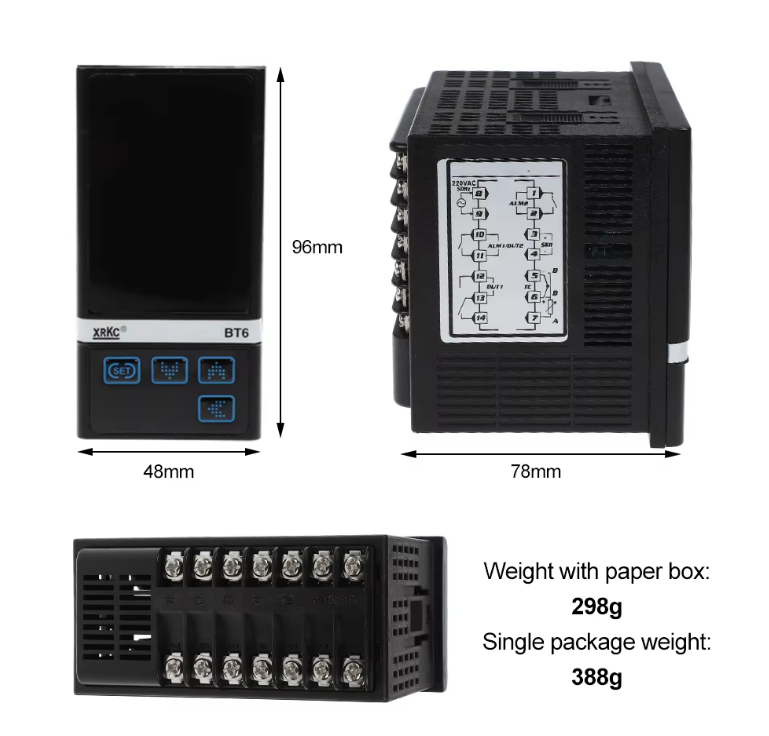
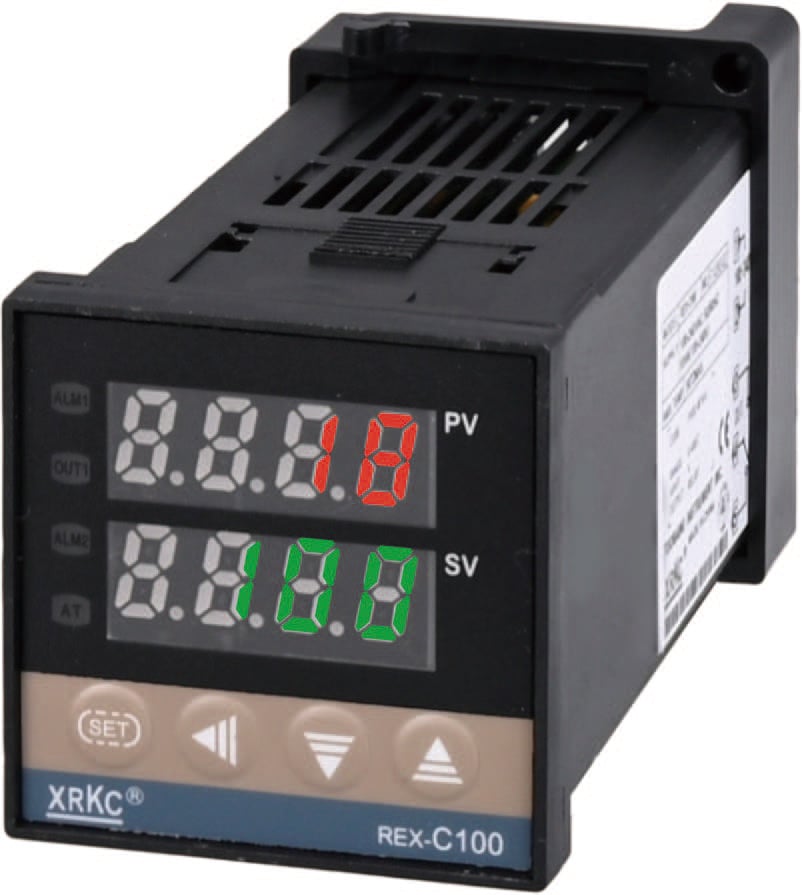
Selecting the correct PID thermostat depends on several factors: temperature range, sensor type, output requirements, and communication needs. First, determine your process temperature range and choose a thermostat that supports it. For example, our REX-C700 model covers -50 to 1300°C with appropriate sensors. Next, select the input type compatible with your sensor (K, E, J, T, PT100). Consider the number of outputs needed—whether you require a single relay or dual outputs for heating/cooling. Also, assess if you need communication features like RS485 for integration with a PLC or SCADA. Our technical team can assist in matching the best model to your specifications, ensuring compatibility and optimal performance. Additionally, consider physical dimensions for panel mounting (48×48, 72×72, etc.) and power supply voltage. For customized requirements, we offer OEM/ODM services to tailor the controller's design and functions to your exact needs.
Absolutely. Most of our PID thermostats come with an RS485 Modbus interface, which is a standard communication protocol in industrial automation. This allows you to connect the thermostat to your existing PLC, HMI, or SCADA system for remote monitoring and control. You can read setpoints, actual temperatures, alarms, and modify parameters programmatically. This integration enables centralized management of multiple controllers, data logging for quality compliance, and automated adjustments based on production schedules. For advanced applications, we can also implement other protocols like Profibus or Ethernet if required (please inquire for availability). Our technical documentation provides comprehensive Modbus register maps, making integration straightforward. For customers needing unique communication configurations, our R&D team can collaborate on custom solutions to ensure seamless interoperability with your infrastructure.
PID thermostats are generally low-maintenance devices. However, periodic checks ensure long-term reliability. Keep the controller clean and free of dust, as accumulation can cause overheating. Ensure wiring connections are tight and sensors are calibrated regularly (usually once a year). If the thermostat is used in a high-vibrational environment, verify that mounting screws are secure. Our thermostats feature self-diagnostic functions that alert you to sensor faults or output failures, minimizing downtime. For models with a battery, replace it periodically to preserve settings. It's also advisable to test the heating and cooling outputs periodically to confirm they are functioning correctly. In case of any issues, our after-sales team provides technical support and can arrange repair or replacement under warranty. Following these simple practices will extend the lifespan of your thermostat and maintain its accuracy.
Yes, Zhejiang Suosite offers comprehensive OEM/ODM services. We can customize various aspects of the thermostat, including the front panel design, logo, color scheme, software parameters, and even hardware configurations to suit unique applications. For example, we can modify the default PID ranges, add special alarm functions, or integrate specific communication protocols. With our in-house R&D team and manufacturing capabilities, we can develop bespoke solutions that meet your exact technical and aesthetic requirements. We also provide flexibility in packaging, labeling, and documentation. Whether you need a small batch for a project or large-scale production, we ensure high-quality standards and timely delivery. Partnering with us allows you to bring differentiated products to market quickly, benefiting from our decade of expertise in temperature control technology.

Related article

What types of sensors are compatible with a standard temperature controller?

13

Jul

What types of sensors are compatible with a standard temperature controller?

Thermocouples: The workhorse of high-temperature sensing Walk into almost any industrial plant and you will find thermocouples scattered across furnaces, ovens, kilns, and exhaust streams. They are cheap, tough, and handle temperatures that would mel...
View More
Advantages of using a PID temperature controller in food and beverage processing.

20

Jul

Advantages of using a PID temperature controller in food and beverage processing.

When Precision Is Not Optional Food and beverage manufacturing runs on temperature. From pasteurization to frying, baking to fermentation, the difference between a premium product and a reject pile often comes down to a few degrees. Thermal processin...
View More
What industries benefit most from using a PID temperature controller?

27

Jul

What industries benefit most from using a PID temperature controller?

More Than a Component—A Critical Enabler Walk through almost any modern production facility, and the chances of spotting a PID temperature controller on a panel are remarkably high. These devices have become so embedded in industrial infrastruc...
View More
Why does a temperature controller need an auto-tuning feature?

12

Aug

Why does a temperature controller need an auto-tuning feature?

The Hidden Cost of Manual PID Tuning Manual tuning of a PID temperature controller is one of those tasks that looks straightforward on paper but turns into a time sink on the shop floor. The traditional approach involves setting proportional, integra...
View More

Reviews

James T.

We switched to Suosite's PID thermostat for our injection molding machines, and the difference is remarkable. The temperature stability is exceptional, holding within ±0.1°C, which drastically reduced product defects. The auto-tuning feature saved our technicians hours of manual configuration. The RS485 interface allowed seamless integration with our central monitoring system, providing real-time data that helps us optimize cycles. The build quality feels robust, and the CE certification gave us confidence. After-sales support has been prompt and helpful. Highly recommend for any industrial temperature control application.

Anna K.

As an equipment manufacturer, we needed a thermostat that could be customized to match our machine's aesthetics and specific control logic. Suosite's OEM team worked closely with us, modifying the firmware to add a special ramp-soak profile and adjust the LCD display. The sample approval process was efficient, and the bulk order delivered promptly. Over the past year, our machines have operated flawlessly, and our customers have praised the intuitive interface. The after-sales documentation, including wiring diagrams and Modbus registers, was comprehensive. Suosite has become our trusted partner for temperature controllers, and we look forward to further collaboration.

Get a Free Quote

Our representative will contact you soon.
Email
Name
Company Name
Message
0/1000
Cutting-Edge Auto-Tuning and Self-Adaptive Control

Cutting-Edge Auto-Tuning and Self-Adaptive Control

Our PID thermostats are equipped with an intelligent auto-tuning algorithm that automatically determines optimal PID parameters when the device is first started. This self-adaptive functionality adjusts to varying process conditions, such as changes in batch size or thermal load, ensuring consistent performance without manual intervention. Unlike standard thermostats that require skilled personnel for tuning, our system does it in minutes, reducing setup time and eliminating guesswork. This feature is particularly beneficial in industries where processes change frequently. The result is tighter control, lower energy consumption, and improved product quality. Whether you're operating an oven, extruder, or chemical reactor, our PID thermostat's self-tuning ensures you always achieve the best control performance, enhancing overall operational efficiency.
Versatile Communication and Remote Monitoring

Versatile Communication and Remote Monitoring

In the era of Industry 4.0, connectivity is essential. Our PID thermostats support RS485 Modbus, allowing seamless integration into your automation network. This enables remote monitoring and control from a central station, facilitating quick adjustments and troubleshooting. You can log temperature data over time, analyze trends, and predict maintenance needs, which reduces downtime and optimizes production schedules. The ability to set profiles and commands remotely is invaluable for facilities with multiple machines, as it allows for efficient coordination. Furthermore, we can develop protocols for Ethernet or wireless connectivity upon request. By choosing our thermostat, you're not just getting a control device—you're gaining a component for a smart, connected factory that boosts productivity and data-driven decision-making.
Robust Design with Comprehensive Protection Features

Robust Design with Comprehensive Protection Features

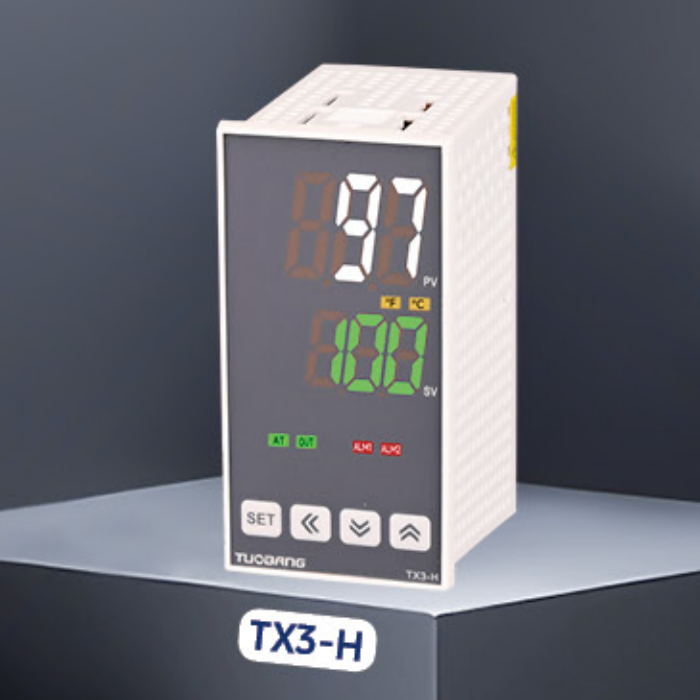
Our PID thermostats are engineered to withstand demanding industrial environments. The housing is made of high-grade ABS plastic that resists impacts and chemical corrosion, while the front panel has an IP65 rating, protecting against dust and water jets. Internally, each unit is designed with surge protection, reverse polarity protection, and short-circuit protection, ensuring safety and longevity. The large LED display is easy to read, even in low-light conditions, and the tactile buttons offer positive feedback for reliable operation. Our thermostats also feature multiple alarms, such as sensor fault, high/low temperature, and heater break detection, providing immediate alerts to prevent process failures. With a wide operating temperature range and vibration resistance, our controllers are built to last, offering peace of mind and minimal maintenance.
Newsletter
Please Leave A Message With Us