
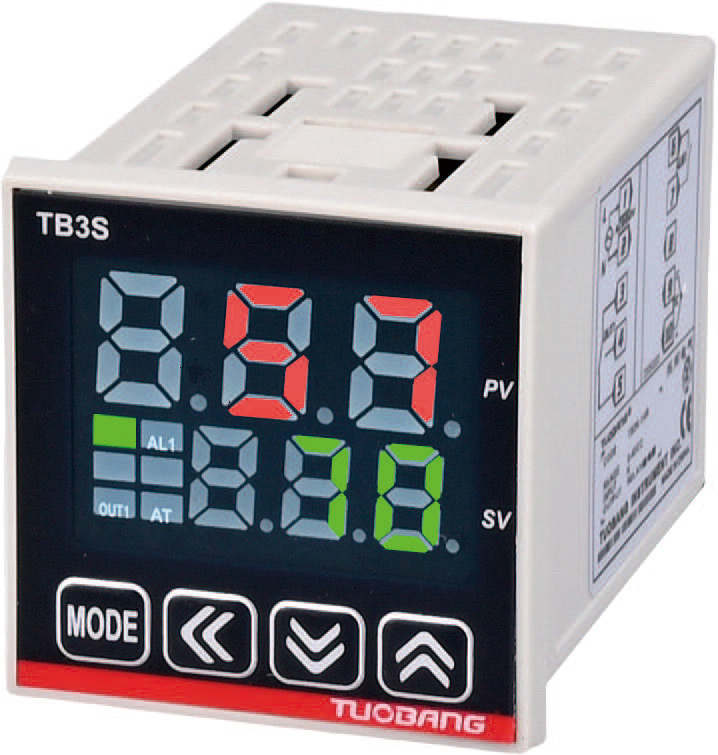
A furnace does not hold temperature by switching a heater on and off The simplest temperature control scheme is a thermostat. The heater runs until the sensor reads the setpoint, then it stops, and the cycle repeats. On a small oven or a water bath, ...
VIEW MORE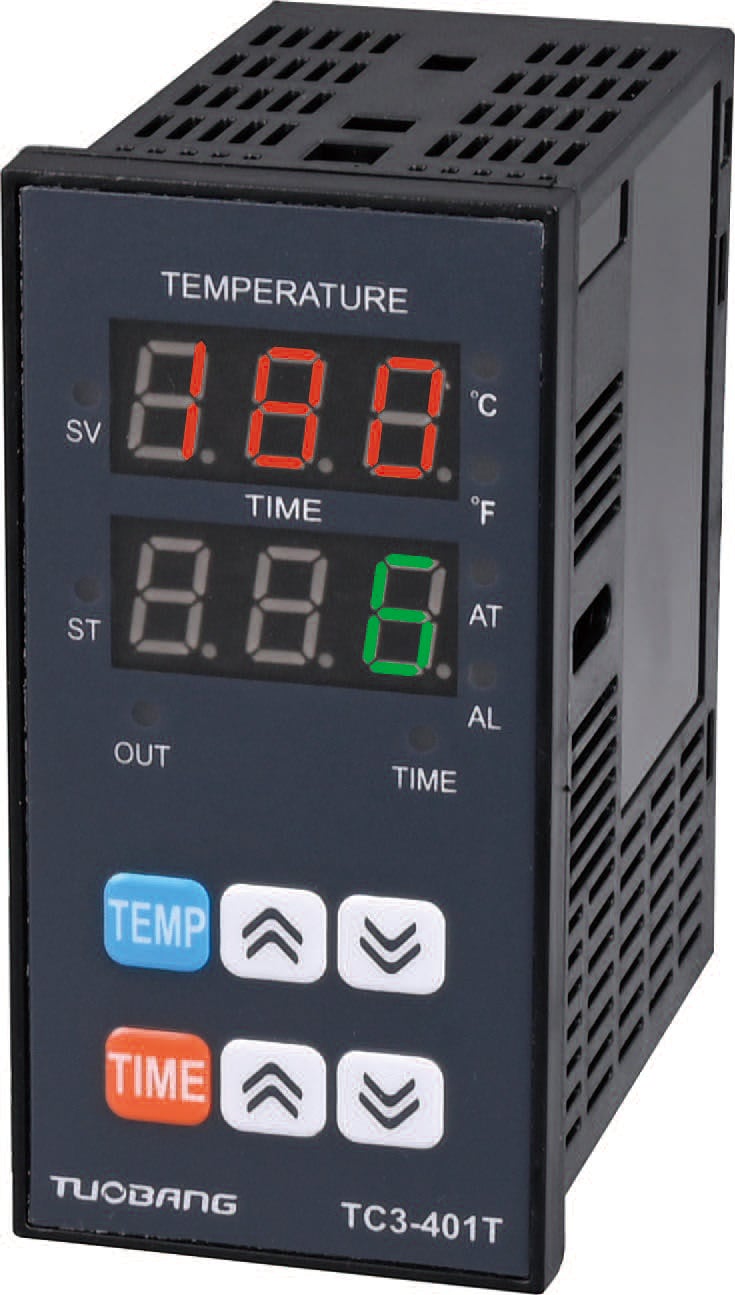
Input compatibility is a range question, not a checkbox The phrase “universal input” gets thrown around loosely, and the gap between what one controller accepts and what another does can be wide. A genuine universal input PID temperature ...
VIEW MORE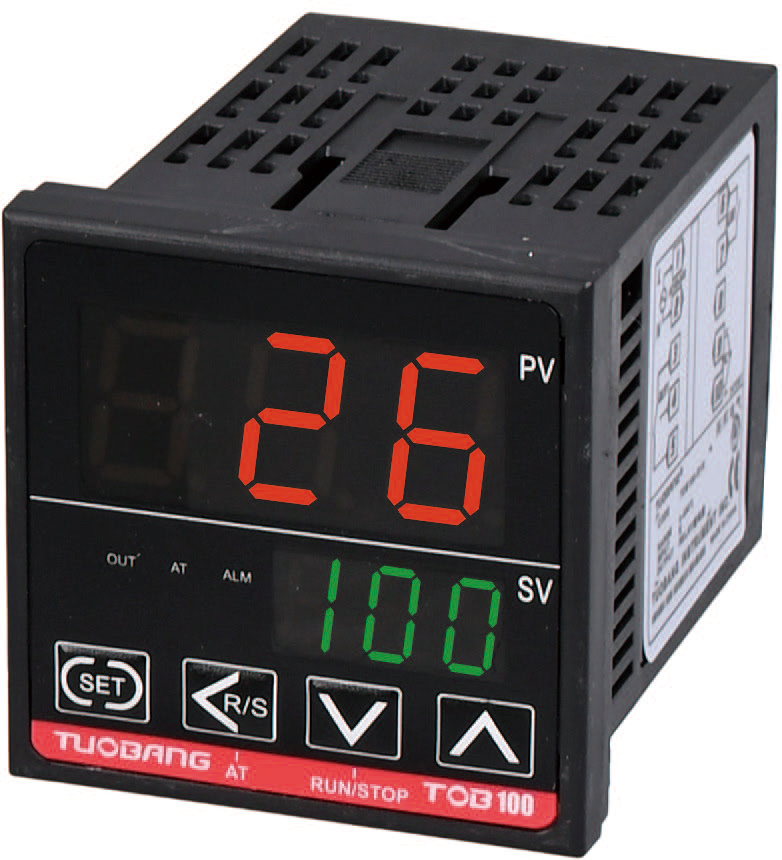
The controller output label matters more than the terminal number A PID temperature controller and a solid state relay are often treated as a plug and play pair, but the first decision happens before any wire is cut. The output stage of the controlle...
VIEW MORE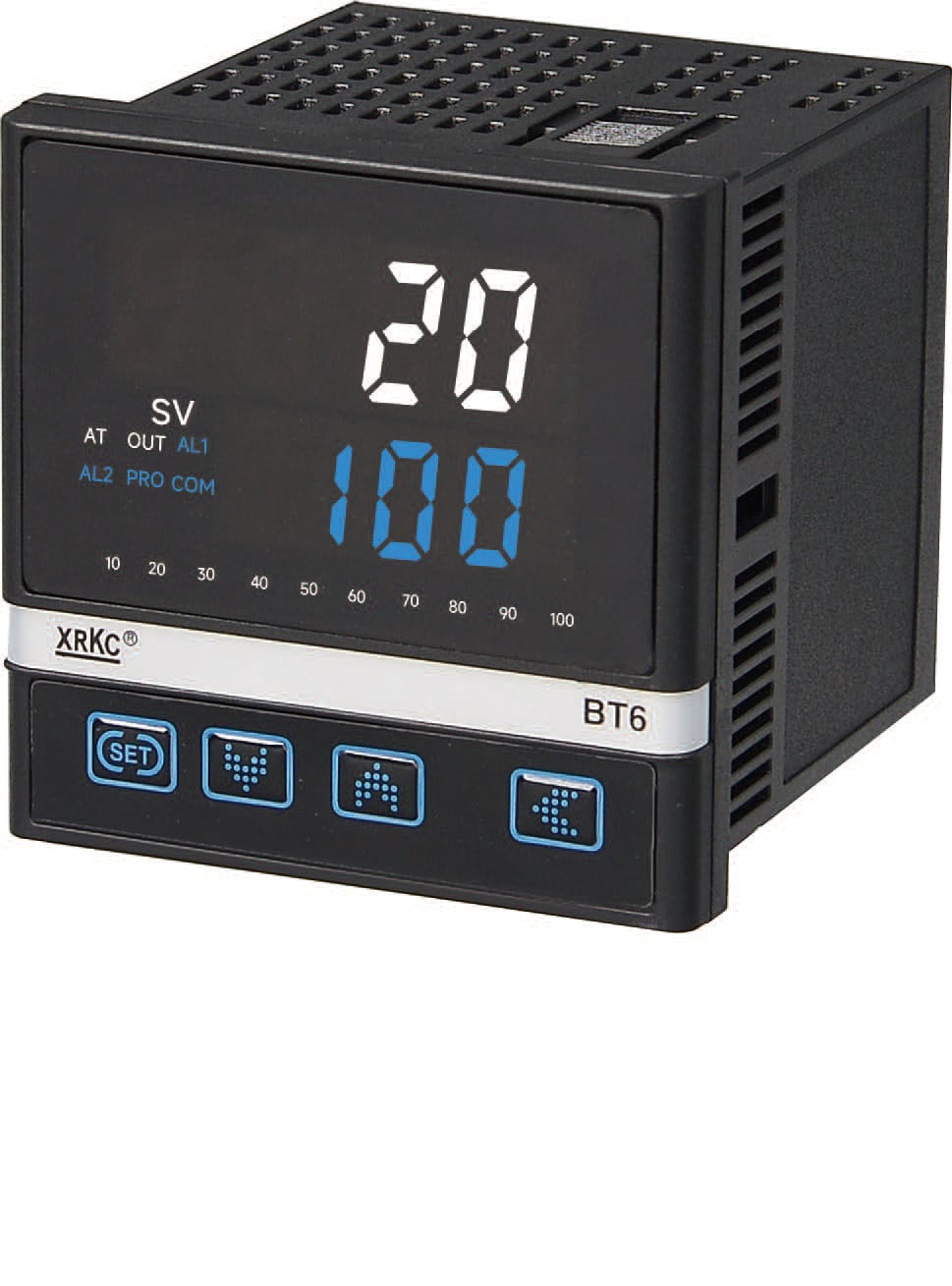
Temperature measuring instrument accuracy starts with the sensing element, not the display. A thermocouple generates a small voltage from the Seebeck effect, and that voltage depends on the alloy pair meeting the standard tolerances in IEC 60584 or ...
VIEW MORE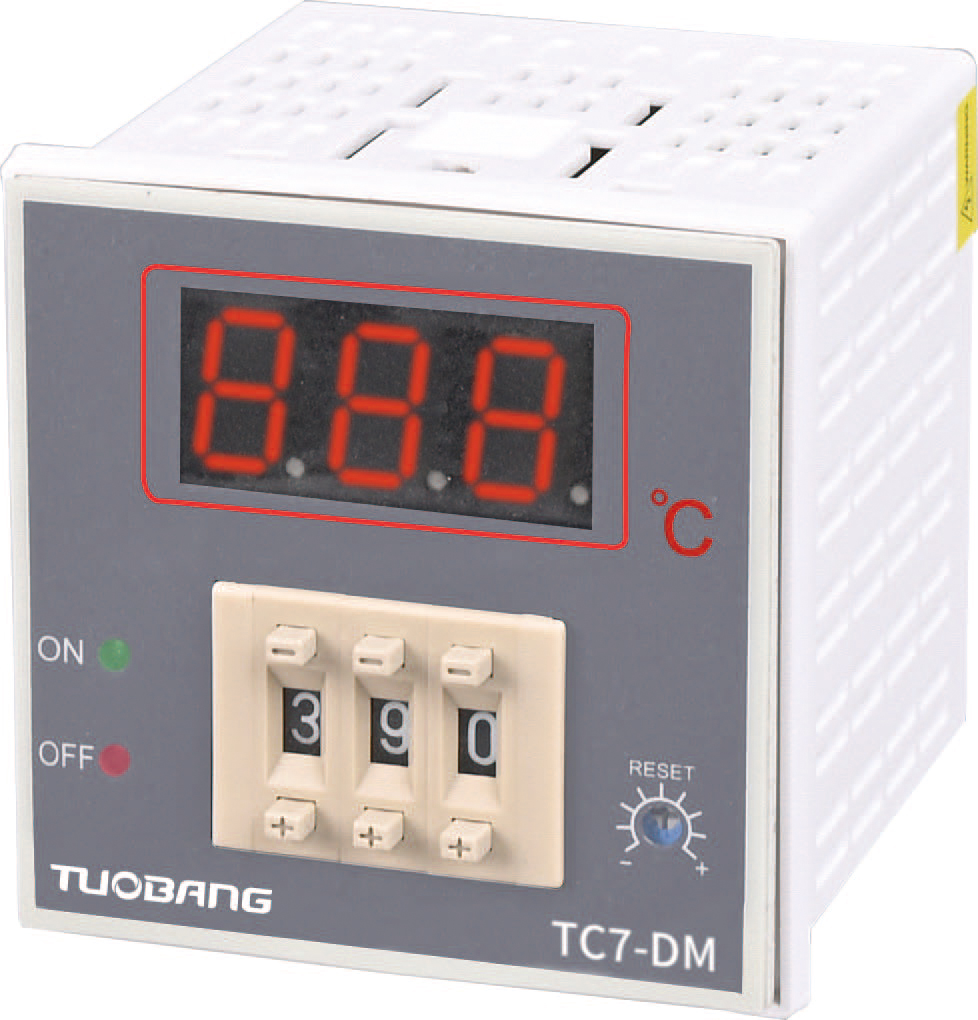
Extruder barrel heat does not behave like a simple oven A high-speed PID temperature controller is not just a thermostat with a faster clock. An extruder barrel is a stack of thermal masses: heater bands, steel, insulation, and the polymer moving thr...
VIEW MORE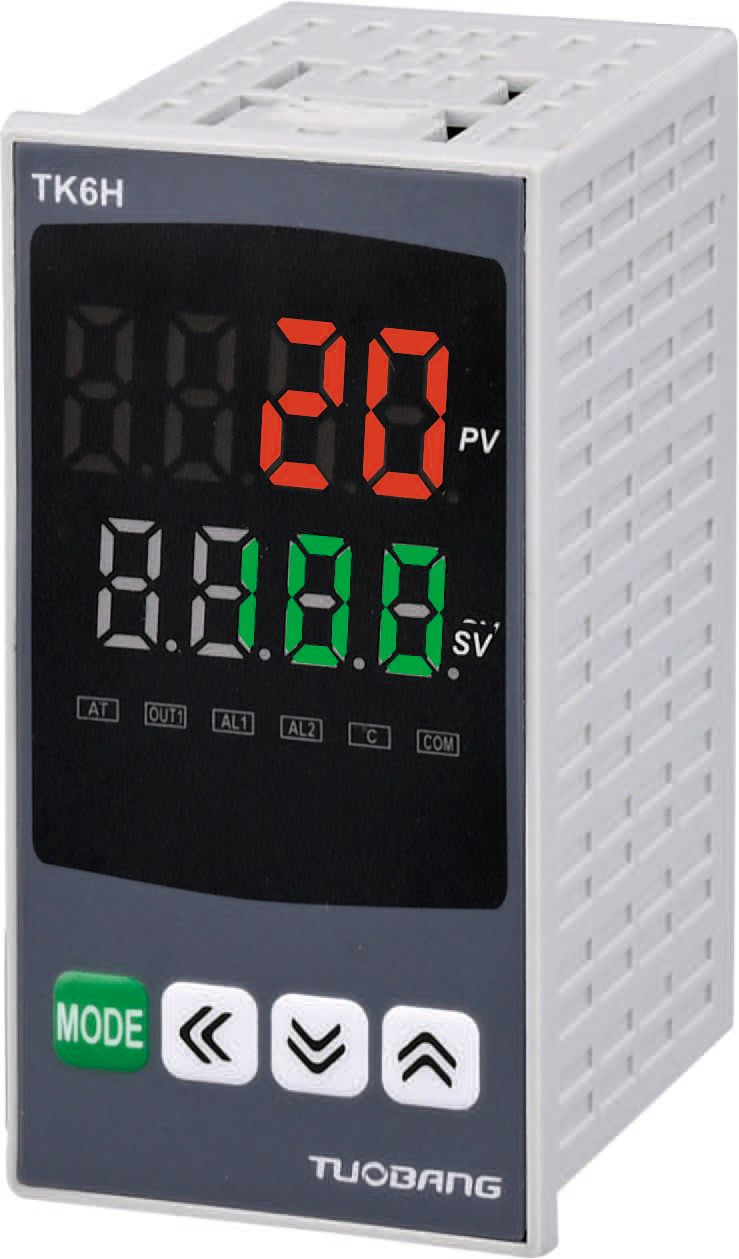
Heat sealing looks deceptively simple: close a jaw, apply heat, hold for a moment, release. But anyone who has spent time on a packaging line knows that the difference between a seal that holds and one that leaks, wrinkles, or peels cleanly at the w...
VIEW MORE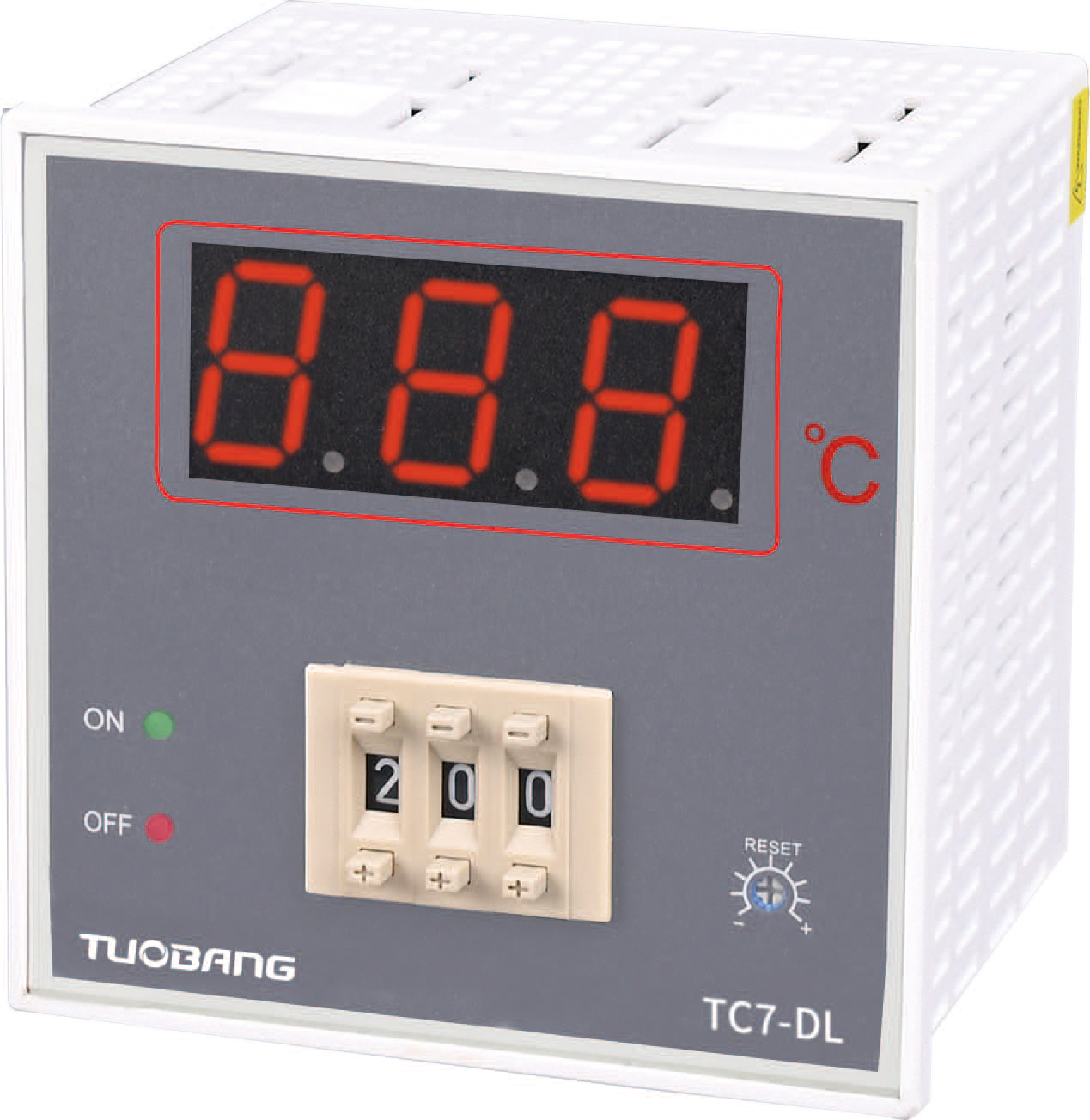
When autotuning is not enough Most modern temperature controllers come with an autotuning function. Push a button or set a parameter, and the controller runs a test sequence to characterize the process and calculate PID values. When it works, it work...
VIEW MORE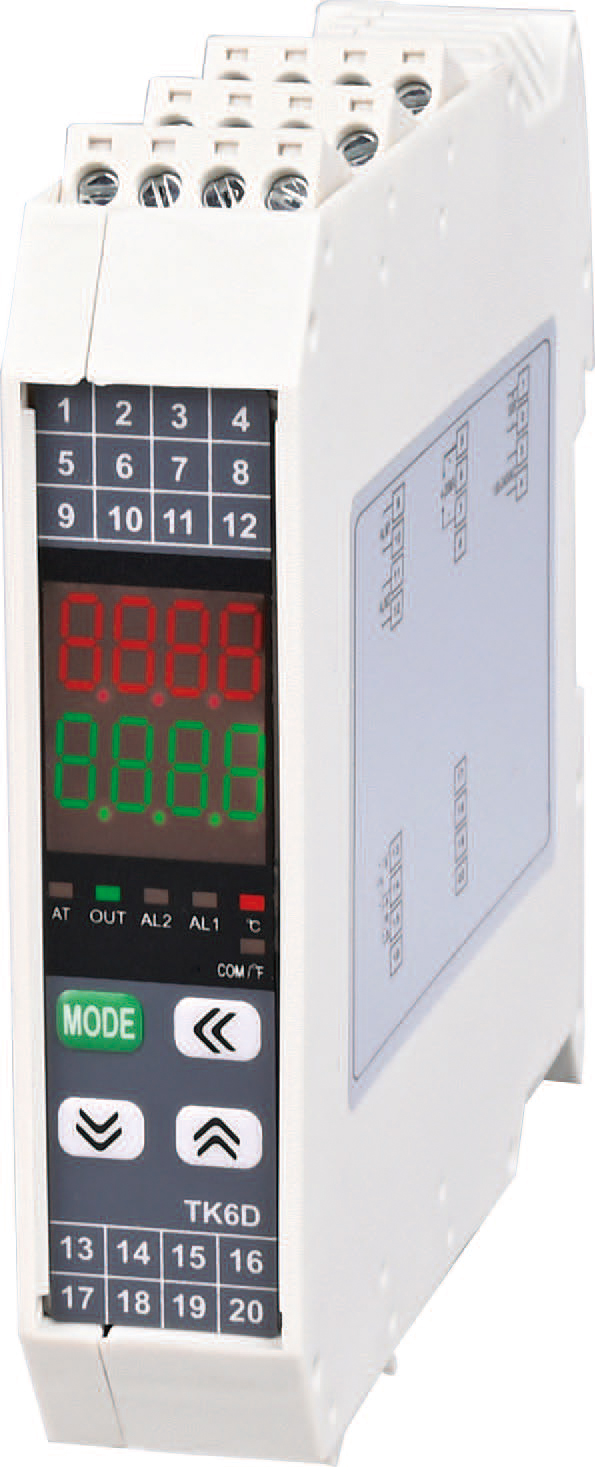
The three knobs that determine everything Every PID controller has three parameters that shape its behavior. They go by different names depending on the manufacturer. Proportional band, integral time, derivative time. Or gain, reset, rate. Or simply ...
VIEW MORE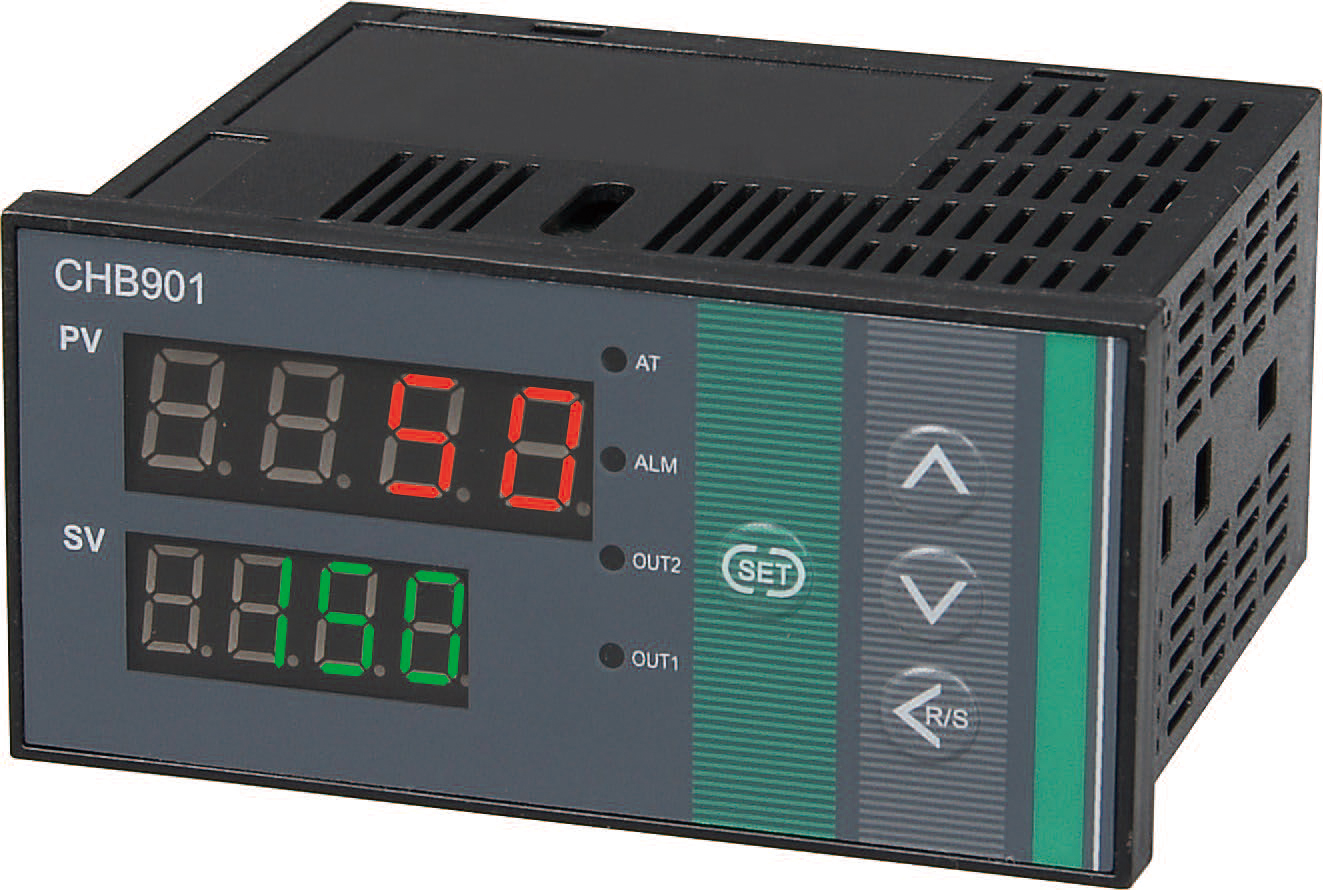
The case for moving beyond on/off control On/off control is the oldest trick in the book. A thermostat clicks a heater on when temperature drops below a threshold and clicks it off when temperature rises above another. It is cheap, it is intuitive, a...
VIEW MORE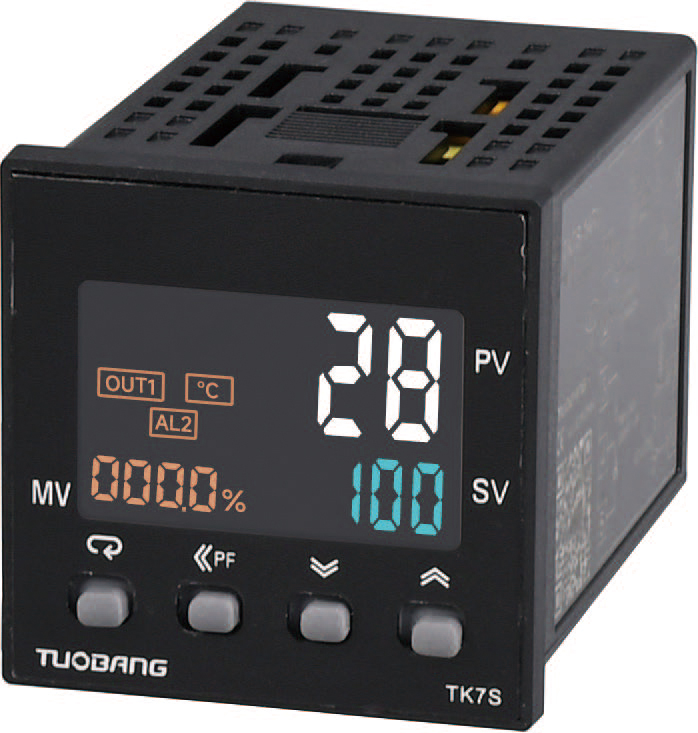
The core job of a temperature controller in industrial settings Walk into any plant that deals with heat, and there is a device quietly doing the most important work in the room. It reads the temperature, compares it to a target, and adjusts the heat...
VIEW MORE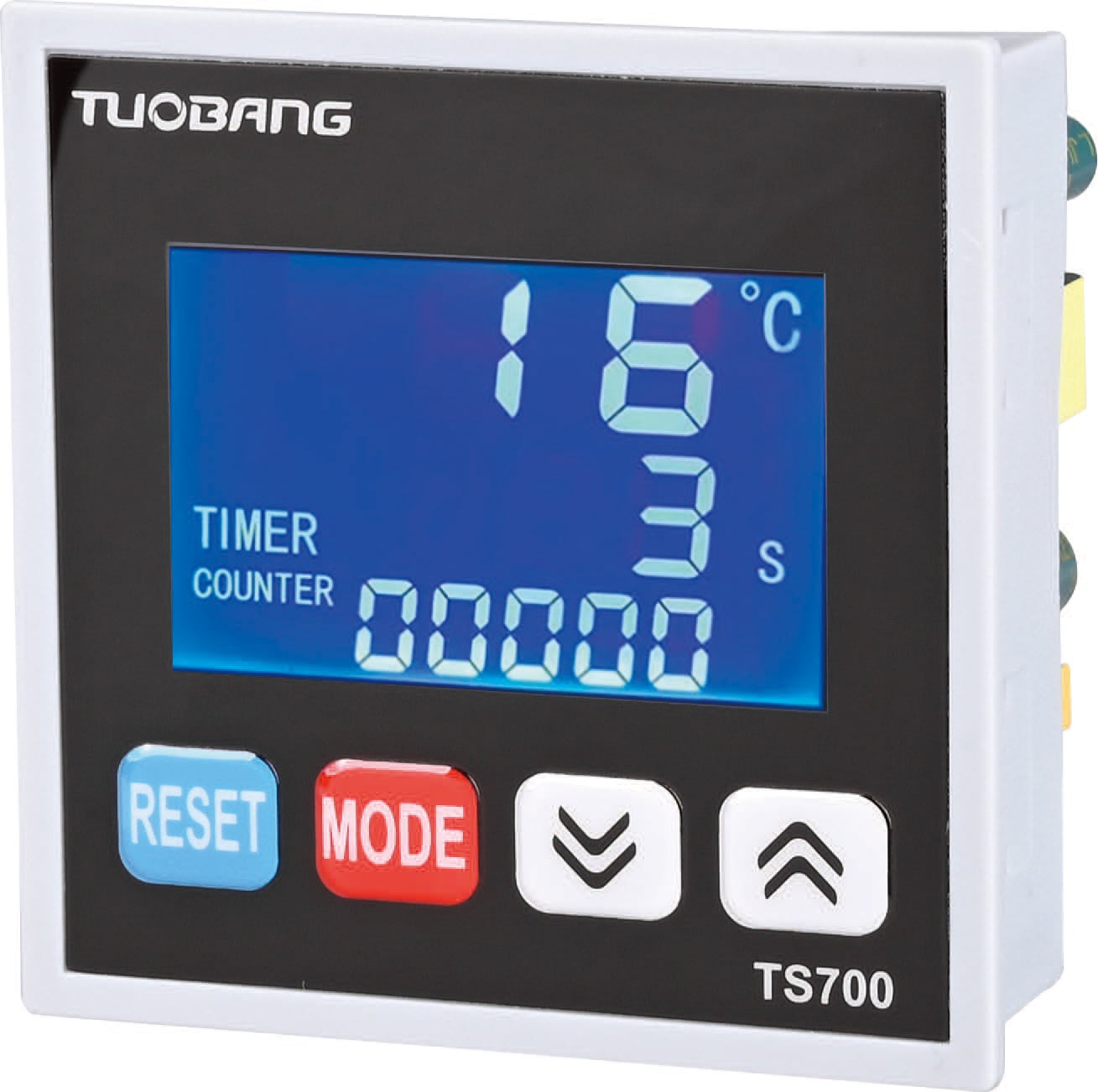
The Selection Trap That Catches Most Buyers Choosing a temperature controller looks simple at first glance. The specifications seem straightforward: input type, output type, accuracy rating, price. Many buyers treat it like a commodity purchase&mdash...
VIEW MORE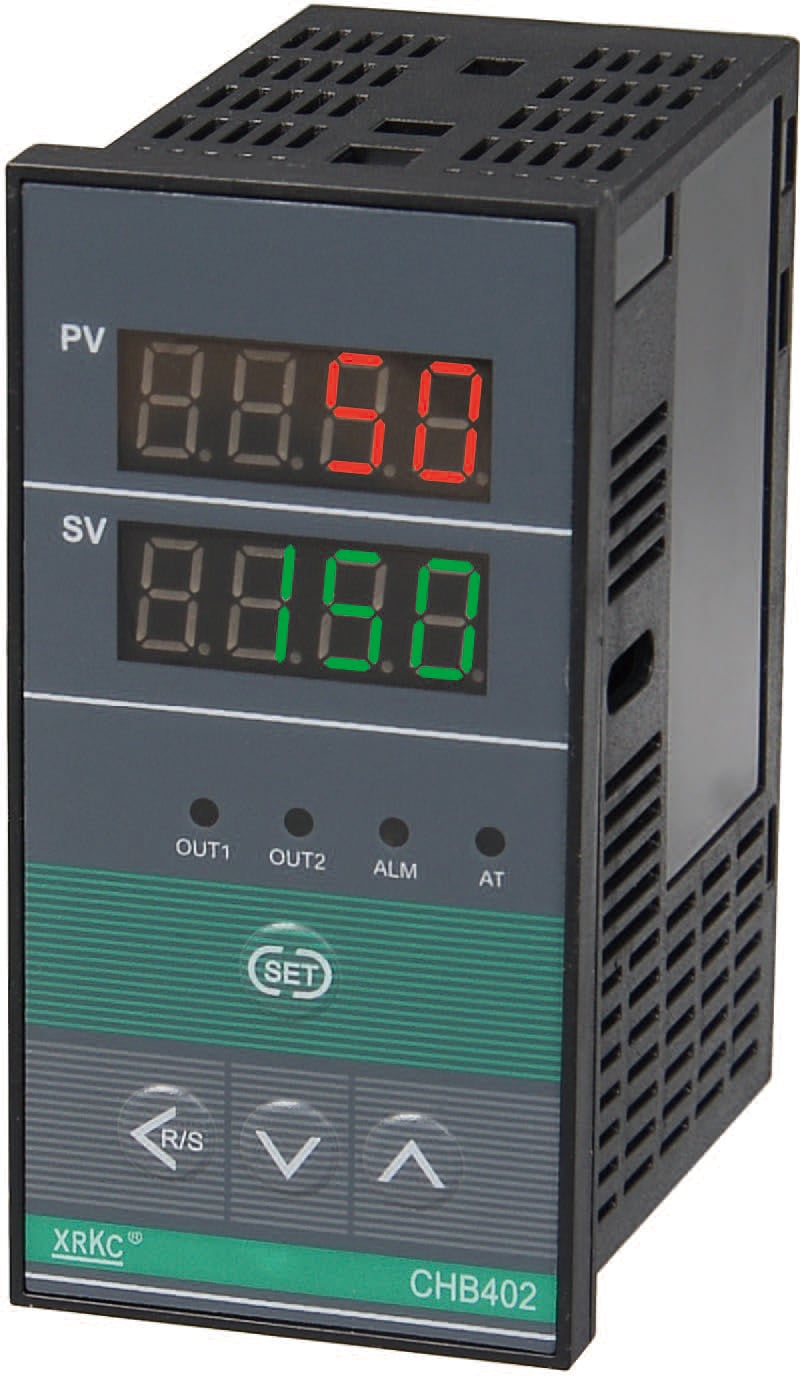
The Precision Gap That Costs More Than You Think Temperature control in manufacturing often gets treated as a secondary concern—something that just needs to be "close enough." The reasoning goes: if the product comes out looking right and passi...
VIEW MORE
Copyright © 2026 by Zhejiang Suosite Electrical Technology Co., Ltd. - Privacy policy
 EN